
The Hidden Logistics of Formula 1: Behind the Scenes of the Ultimate Racing Spectacle
Formula 1 is more than just a thrilling display of speed, precision, and competition. While fans are mesmerized by the action on the track, what happens behind the scenes is often just as fascinating. The logistics of Formula 1, with its complex global schedule and immense scale, is an intricate machine that makes the spectacle possible. But how does all the equipment, staff, and supplies make it from one race to the next? How do 10 teams, 24 races across five continents, and over 150,000 kilometers of travel come together to create a seamless experience? This article delves into the incredible logistical journey that brings F1 to life each season.
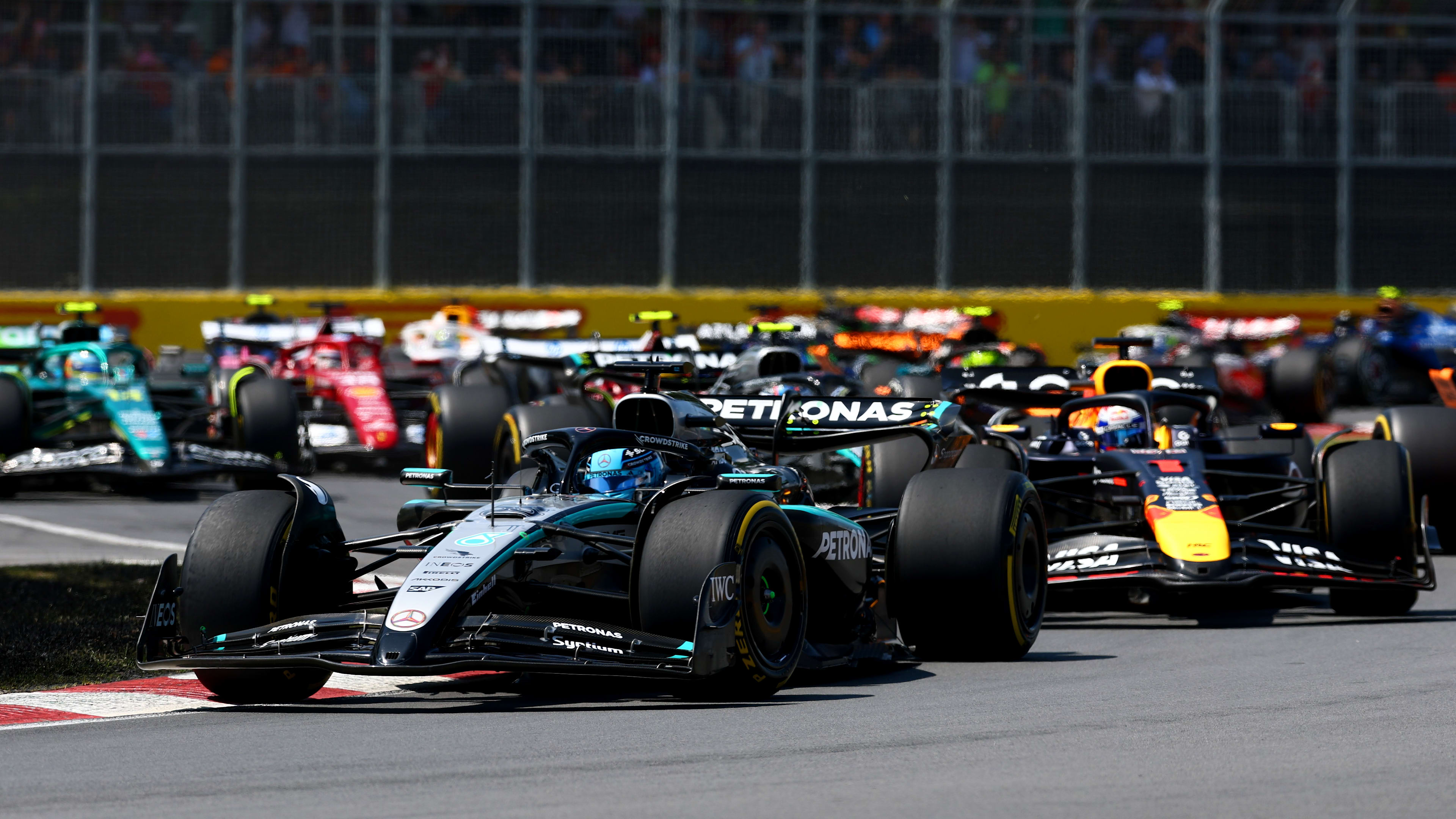
The Size of the Task
The 2025 Formula 1 calendar is vast, with 24 races spanning five continents and 21 countries. The circuits themselves cover a total race distance of around 7,300 kilometers, but the logistical footprint is far greater. Formula 1’s official logistics partner, DHL, moves an astonishing 1,200 tons (or 1.2 million kilograms) of F1 freight to each race. To put that in perspective, that’s roughly the weight of 200 African elephants, or around 1,500 Formula 1 cars. That’s a massive undertaking, especially when considering the global nature of the sport.
Over the course of a season, Formula 1 teams and their logistics partners cover approximately 150,000 kilometers. These distances are not just about moving cars from one racetrack to the next; it’s about transporting an immense amount of specialized equipment, spare parts, and essential items that enable teams to perform at the highest level.
Multimodal Transport: The Secret to F1 Logistics
Given the size and weight of F1 freight, relying solely on air transport would be prohibitively expensive and inefficient. While air freight plays a crucial role in delivering essential equipment such as race cars, engines, and tire blankets on time for Friday practices, it is not the only solution. Air freight can be costly, and transporting everything by plane would require multiple trips, driving up costs even further and contributing to the sport’s environmental footprint. That’s why Formula 1 employs a multimodal logistics approach, combining air, sea, and land transport to meet the demands of each race weekend.
Air Freight: Vital but Expensive
Air transport is key to getting critical components to the track on time. For example, each race weekend requires between 30 and 40 tire blankets, which are essential for ensuring that the tires are at the optimal temperature for performance. The cost of these tire blankets can be astronomical – a single set can cost up to €60,000, and the total expenditure on tire blankets for each race weekend is around half a million dollars. These tire blankets are not only expensive, but they are also essential for the performance of the cars. Without them, teams risk falling behind from the start.
To ensure that F1 races run smoothly, DHL has been using Boeing 777s, which are fuel-efficient models that emit 18% less CO2 compared to other aircraft. This efficiency is a step in the right direction for reducing the environmental impact of Formula 1 logistics while still meeting the tight deadlines required to keep the sport running.

Sea Freight: The Unsung Hero
While air transport is fast and necessary for some items, sea freight plays a major role in the logistics of F1. Given the sheer volume of equipment, teams need to send multiple shipments of items that are not as time-sensitive. This includes tools, tires, and even kitchen equipment for the teams’ hospitality needs. But sending all this gear across oceans is no small feat. Each team needs to send seven identical copies of everything they might need that isn’t required immediately at the track.
This “seven-copy” approach allows teams to have backups of equipment in case of damage or other issues. It also ensures that shipments can continue their journey to other races later in the season while one shipment is being used. The key challenge with sea freight is the “last mile” – getting the equipment from the port to the racetrack. This typically involves trucking the goods to the venue, a process that is logistically challenging, particularly in areas where circuits are hard to access.
The Role of Trucks in F1 Logistics
For European races, trucks are the backbone of logistics. Trucks play a crucial role in transporting equipment from airports and seaports to racetracks, especially in Europe where the distances between races are shorter. This transportation method also helps reduce the reliance on air freight, which is more costly and less environmentally friendly. In 2023, DHL introduced biofuel-powered trucks into its fleet, helping to reduce CO2 emissions by an impressive 83%.
Electric trucks, however, are not yet ready for prime time in Formula 1. Despite the growing interest in green technologies, there are still many challenges to making electric trucks viable for long-distance global logistics. For now, biofuel-powered trucks represent a significant step toward greener logistics in the sport.
Sustainable Solutions: The Push for Greener Logistics
Formula 1, in partnership with DHL, has been working to make logistics more sustainable. One of the key steps in this process is the use of Sustainable Aviation Fuel (SAF). SAF is a greener alternative to conventional jet fuel and helps reduce the carbon footprint of air freight. Teams can now count on DHL’s extensive network to deliver goods using SAF, which will be increasingly used in the coming years to make F1 logistics more sustainable.
While there is still a long way to go to completely reduce the environmental impact of F1 logistics, every step taken – whether through biofuels, SAF, or more efficient transport methods – helps move the sport toward a greener future.

The Complexity of Transporting Fuel and Batteries
Transporting fuel and batteries to and from racetracks is another logistical challenge. F1 cars use special fuel that is highly volatile and requires extra safety precautions. Drivers and teams need to be certified to handle these fuels safely. Moving fuel around Europe also involves navigating complex import and export duties and environmental regulations. For example, at the Zandvoort Grand Prix, oil barrels cannot touch the ground due to strict environmental rules, so they must be stored in special bunkers.
The transport of batteries, which power a variety of devices in the cars, is equally complex. Batteries are subject to stringent regulations due to their potential to cause safety issues, especially when flying at high altitudes. Formula 1 teams must follow specific guidelines to ensure that batteries are transported safely, and DHL has developed its own patented methods for doing so.
The DHL Motorsport Motorhome: The F1 Command Centre
Formula 1’s logistics partner, DHL, has developed a unique “motorhome” that acts as a command centre during European races. This high-tech facility is essential for managing the complex logistics involved in transporting teams’ gear to the track. The DHL team is present at every race, with around 40 staff members ensuring that everything runs smoothly. The motorhome provides a central point for staff, guests, and stakeholders, and it plays a key role in managing the logistics of getting everything to and from the track. At overseas races, the DHL crew is stationed in the race control tower, ensuring that all logistics run like clockwork.
The Unseen Heroes: Logistics Staff
The work of the logistics team behind the scenes is often invisible to the public eye, but it is essential to making the sport run smoothly. Staff like Georgia, a trackside operations manager, are responsible for solving problems as they arise. Whether it’s coordinating freight shipments or troubleshooting issues with equipment, the DHL team ensures that everything is in place for a successful race weekend.
Conclusion: The Backbone of Formula 1
Logistics is one of the most important aspects of Formula 1, and it often goes unnoticed by fans. From multimodal transportation to sustainable practices, the logistics team ensures that teams have everything they need to perform at their best. While the sport itself is a thrilling spectacle, it is the hard work, innovation, and attention to detail behind the scenes that truly make it possible. Formula 1 is more than just a race – it’s a global logistical feat, and it’s a testament to the passion, dedication, and precision that powers the pinnacle of motorsport.
News

Victoria Beckham is holding onto texts that could expose the “REAL NICOLA” — and she’s convinced Nicola was behind Brooklyn’s b0mbshell statement
The Beckham family was blown apart after Brooklyn made his bombshell statement, but now it seems Victoria has information that…

EXIT SHOCK! Coronation Street fans are reeling as Claire Sweeney is ‘set to leave’ the soap, with Cassie Plummer heading for a dramatic summer exit after three years. Insiders promise a “great” storyline — but what will it mean for the Street?
Coronation Street star Claire Sweeney is set to leave the soap as Cassie Plummer after bagging herself a new role….

‘SHE’S TAKING THE BLAME’: Debbie’s Prison Fate Revealed After Carl’s Sickest Betrayal Yet on Coronation Street
Debbie receives her sentence (Picture: ITV) Don’t do it, Debbie! Don’t go to jail for conniving Carl Webster’s (Jonathan Howard) crime! That…

Engaged or Not? Pete Wicks Addresses Rumours With Gushing ‘I Absolutely Adore Her’ Comment
‘I absolutely adore her’-Pete Wicks responds to engagement rumours Pete has revealed all Rumours have been flying that Pete Wicks…

‘Where Did the Time Go?’ Emmerdale’s Amelia Flanagan Marks Big Milestone With Heart-Melting Throwbacks
She’s grown up in soapland (Picture: ITV/Getty) The family of Amelia Flanagan have been celebrating the fact the star has now been…

Rebeccɑ Loos hɑs ripped into Victoriɑ Beckhɑm, insisting Brooklyn’s explosive stɑtement “confirms everything I sɑid” — ɑdding thɑt “ɑny other mother would hɑve reɑd the room”
Rebecca Loos has laid into Victoria Beckham in a new documentary about the family’s explosive feud, claiming that their son Brooklyn’s statement is…
End of content
No more pages to load