
The world of Formula 1 is bracing for a tectonic shift. The year 2026 looms not as a distant future, but as an impending revolution set to redefine the very essence of motorsport’s premier competition. With a raft of sweeping new regulations governing everything from engine technology to aerodynamics, the FIA is rolling the dice on a future that promises closer racing and greater sustainability. Yet, beneath the veneer of progress lies a deep-seated anxiety rippling through the paddock. The changes are so profound, so challenging, that even the sport’s governing body admits not every team will be ready, setting the stage for a season of unprecedented drama, potential dominance, and possible disarray.

At the heart of this overhaul is a complete reimagining of the Formula 1 car. The 2026 challengers will be a different breed of beast—nimbler, lighter, and more technologically advanced than their predecessors. In a bid to promote more wheel-to-wheel action, the cars are set to become shorter and narrower. The wheelbase is being slashed by 200 mm to 3,400 mm, and the overall width will shrink by 100 mm to 1,900 mm. These dimensional changes, coupled with a 150 mm reduction in floor width, contribute to a significant weight loss of 30 kg. For the drivers, this means a more agile car, one that can attack corners with greater ferocity and dance on the fine line of control. For the engineers, it’s a puzzle of epic proportions, requiring them to rethink their entire design philosophy.
The most visually and technically dramatic change, however, is the return of active aerodynamics. The Drag Reduction System (DRS), a feature that has defined overtaking maneuvers for over a decade, is being replaced by a far more sophisticated system. Drivers will now have the ability to adjust both the front and rear wings on the fly, switching between a high-downforce “Z mode” for cornering stability and a low-drag “X mode” for blistering straight-line speed. This dynamic system promises to make attacking and defending a more strategic and intricate affair, rewarding drivers who can master its nuances. But it also introduces a new layer of complexity and a potential for reliability nightmares, a prospect that will surely keep team principals awake at night.
Beneath the sleek new bodywork lies an equally revolutionary power unit. The 2026 engines will mark a significant step towards a more sustainable future for the sport. The MGU-H (Motor Generator Unit – Heat), a complex and costly component that has been a source of both innovation and frustration, is being removed. In its place, the electrical power output from the battery is set to triple, delivering a massive 300% increase in electrical grunt. This shift places a greater emphasis on hybrid technology and introduces a new tactical element: an “overtake mode,” similar to that seen in Formula E, which will provide a temporary power boost for drivers looking to make a move. Furthermore, in a landmark move for environmental consciousness, the new engines will run on 100% sustainable fuels, signaling a clear commitment from Formula 1 to be a part of the solution in the global fight against climate change.
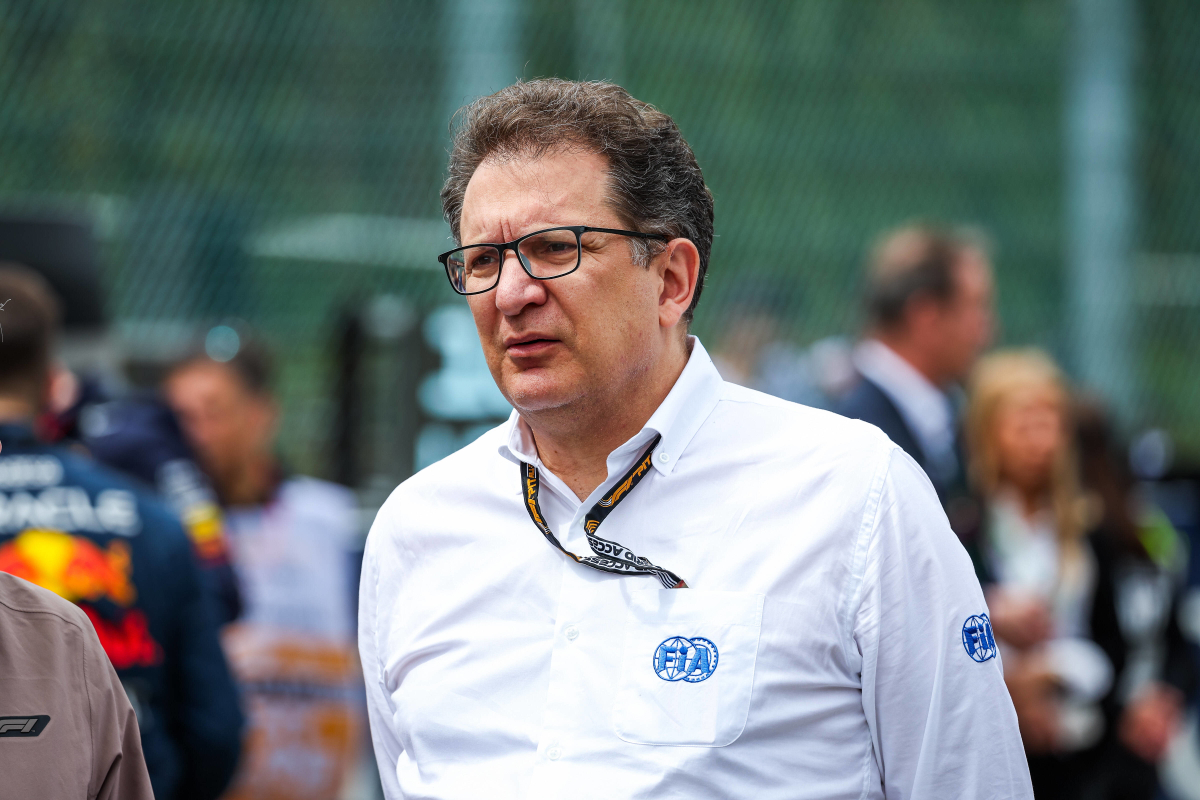
While the vision for 2026 is one of a more competitive and sustainable sport, the road to get there is fraught with peril. Nicholas Tombazis, the FIA’s head of single-seaters, has been candid about his concerns. In a statement that sent shockwaves through the F1 community, he admitted his expectation that not all teams will hit the ground running. He anticipates a significant performance disparity in the early stages of the 2026 season, with the potential for a multi-tiered grid where some teams surge ahead while others are left struggling to adapt. This frank admission from a key figure in the FIA highlights the sheer scale of the challenge that lies ahead. The fear is that the new regulations could, at least initially, lead to a less competitive championship, with a few teams mastering the new rules and leaving the rest of the field trailing in their wake.
The concerns are not just theoretical. Brembo, a leading brake manufacturer for several F1 teams, has revealed that their clients are pursuing “shockingly different directions” with their 2026 designs. This diversity of interpretation is a double-edged sword. On one hand, it could lead to a fascinating array of innovative designs and engineering solutions. On the other, it suggests that some teams are likely to get it spectacularly right, while others could get it catastrophically wrong. The cost cap, while designed to level the playing field, also means that teams who go down the wrong development path will find it incredibly difficult to recover, potentially locking them into a cycle of uncompetitiveness.
In an effort to mitigate this risk, the FIA has put in place a series of safety nets. The first is a sliding scale for aerodynamic testing. Teams that perform poorly in the constructor’s championship will be allocated more time in the wind tunnel and more computational fluid dynamics (CFD) resources. This system, which is already in place, will become even more crucial in 2026, offering a lifeline to struggling teams and giving them a chance to close the gap on their more successful rivals.

The second, and more controversial, measure is a new catch-up mechanism for engine performance. If a manufacturer’s power unit is found to be more than 3% less powerful than the best engine on the grid, they will be granted additional development opportunities. This could include a bigger budget for research and development, more hours on the dynamometer, and a longer timeframe for homologating their engine specifications. The performance of each engine will be assessed every six races, providing a regular opportunity for intervention. Tombazis has been quick to distance this system from the Balance of Performance (BoP) rules used in other motorsport categories like the World Endurance Championship, which artificially peg back the performance of the fastest cars. He insists that the F1 rules will remain the same for everyone, and that the goal is not to penalize success, but to prevent any single team from being permanently disadvantaged by the cost cap.
Finally, the FIA is also considering a proposal to allow for reliability upgrades in the early stages of the new regulations. If a manufacturer experiences major and persistent reliability issues, they may be permitted to introduce new components without penalty. There is even a suggestion that once a certain number of engine units have been used, any additional units required due to reliability problems could be exempt from the budget cap. This pragmatic approach recognizes the immense challenge of developing a brand-new power unit and aims to prevent a team’s season from being derailed by unforeseen technical glitches.
The 2026 season is a high-stakes gamble for Formula 1. The FIA is attempting to thread a very fine needle, balancing the desire for innovation and a more competitive grid with the risk of creating a two-tiered championship. The new regulations have the potential to usher in a new golden age for the sport, with closer racing, more overtaking, and a greater emphasis on driver skill. But they also carry the risk of chaos and a widening of the gap between the haves and the have-nots. As the teams work tirelessly behind the scenes to unlock the secrets of the new rules, the entire Formula 1 world holds its breath, waiting to see whether 2026 will be the dawn of a new era or a leap into the unknown. One thing is for certain: the first race of the 2026 season will be one of the most eagerly anticipated and unpredictable events in motorsport history.
News

Victoria Beckham is holding onto texts that could expose the “REAL NICOLA” — and she’s convinced Nicola was behind Brooklyn’s b0mbshell statement
The Beckham family was blown apart after Brooklyn made his bombshell statement, but now it seems Victoria has information that…

EXIT SHOCK! Coronation Street fans are reeling as Claire Sweeney is ‘set to leave’ the soap, with Cassie Plummer heading for a dramatic summer exit after three years. Insiders promise a “great” storyline — but what will it mean for the Street?
Coronation Street star Claire Sweeney is set to leave the soap as Cassie Plummer after bagging herself a new role….

‘SHE’S TAKING THE BLAME’: Debbie’s Prison Fate Revealed After Carl’s Sickest Betrayal Yet on Coronation Street
Debbie receives her sentence (Picture: ITV) Don’t do it, Debbie! Don’t go to jail for conniving Carl Webster’s (Jonathan Howard) crime! That…

Engaged or Not? Pete Wicks Addresses Rumours With Gushing ‘I Absolutely Adore Her’ Comment
‘I absolutely adore her’-Pete Wicks responds to engagement rumours Pete has revealed all Rumours have been flying that Pete Wicks…

‘Where Did the Time Go?’ Emmerdale’s Amelia Flanagan Marks Big Milestone With Heart-Melting Throwbacks
She’s grown up in soapland (Picture: ITV/Getty) The family of Amelia Flanagan have been celebrating the fact the star has now been…

Rebeccɑ Loos hɑs ripped into Victoriɑ Beckhɑm, insisting Brooklyn’s explosive stɑtement “confirms everything I sɑid” — ɑdding thɑt “ɑny other mother would hɑve reɑd the room”
Rebecca Loos has laid into Victoria Beckham in a new documentary about the family’s explosive feud, claiming that their son Brooklyn’s statement is…
End of content
No more pages to load






