
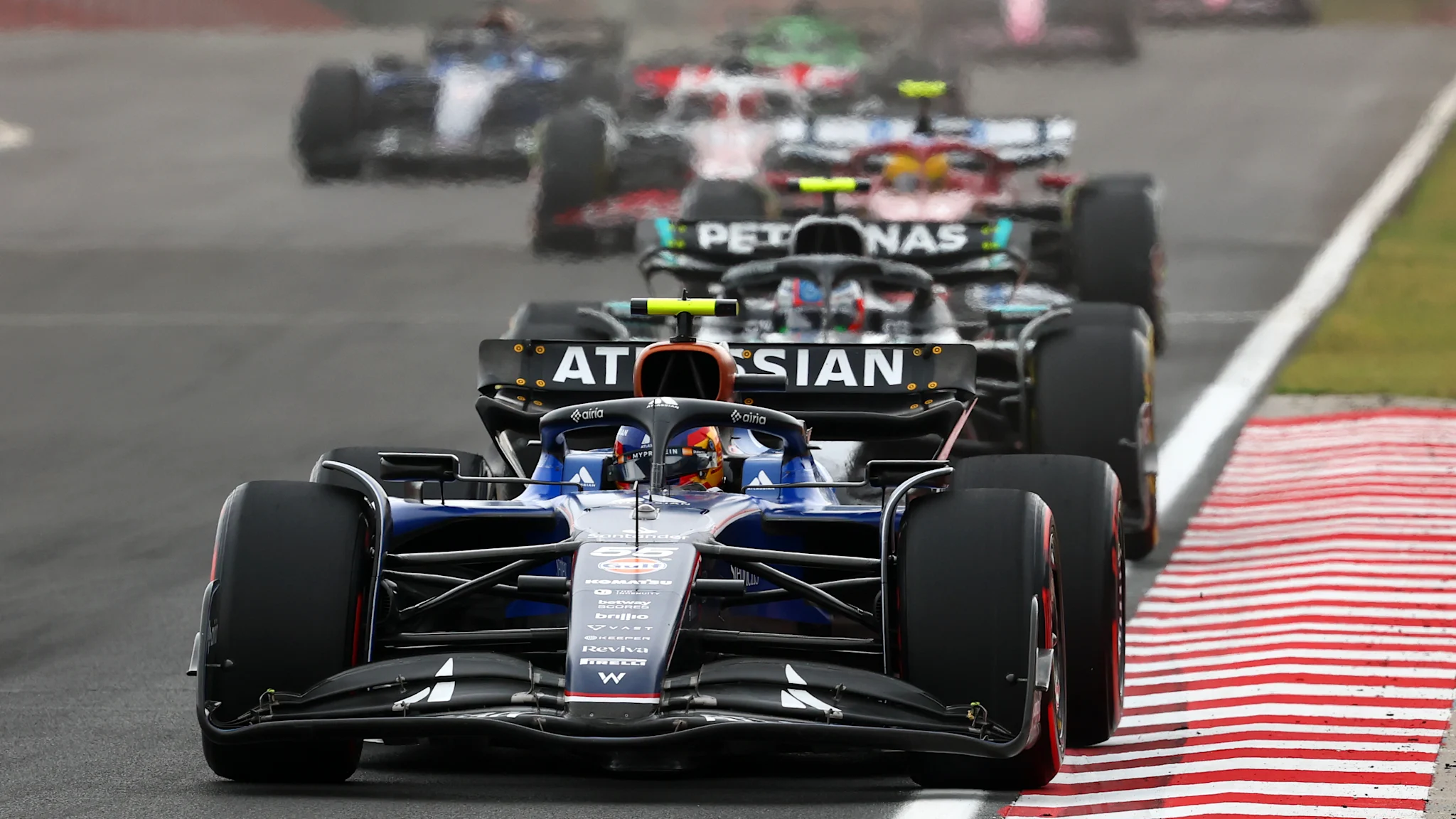
The roar of Formula 1 engines returns to American soil at the iconic Circuit of the Americas (COTA) in Austin, Texas. But this year, the on-track action is accompanied by a storm of controversy and a palpable sense of tension brewing in the paddock. While teams are rolling out their final, crucial upgrades of the season, a bombshell announcement regarding the 2026 engine regulations has sent shockwaves through the sport, raising fundamental questions about the very soul of Formula 1: is it a pure, meritocratic engineering challenge, or is it becoming an artificially balanced entertainment spectacle?
The heart of the controversy lies in a newly introduced mechanism called the “Additional Development and Improvement Opportunities” (ADU). Slated for the sweeping 2026 regulation changes, the ADU system is designed to act as a performance equalizer. In essence, it will measure the performance of each power unit manufacturer after six, twelve, and eighteen races. Any manufacturer found to be significantly lagging behind the leaders will be granted special dispensations—a helping hand from the rule makers. These advantages include extra hours for engine development, the ability to modify homologated, or “frozen,” engine parts, and generally more time and resources to close the performance gap.
On the surface, the intent seems noble: to prevent a single team from dominating for years on end, as has happened in the past, and to foster a more competitive grid. However, the announcement has been met with a healthy dose of skepticism and criticism from purists. The system draws uncomfortable parallels to the “Balance of Performance” (BOP) regulations used in championships like the World Endurance Championship (WEC). BOP is a notoriously contentious system where leading cars are often handicapped with extra weight or reduced power to allow slower competitors to catch up. It’s a mechanism that can feel like a punishment for success.
While F1’s ADU system doesn’t directly penalize the top teams in the same way, it fundamentally alters the competitive landscape. It introduces an artificial catch-up mechanism that detracts from the sport’s DNA, which has always been about pushing the absolute limits of technology and innovation. The greatest teams in F1 history achieved their dominance through brilliance, relentless work, and engineering genius. The idea that a struggling manufacturer could be given a regulatory shortcut to success feels, to many, like a betrayal of that core principle. It raises the uncomfortable question: is Formula 1 no longer a sport where the best team wins, but one where the rulebook ensures everyone gets a turn?
As the paddock debates the future, the immediate focus remains on the present—the high-stakes battle at COTA. Late in the season, upgrades become a risky and expensive gamble. Most teams have shifted their focus to next year’s car, making any new parts brought to the track a significant statement of intent. This weekend, it’s the American-owned Haas team making the boldest move. They have arrived in Austin with a substantial upgrade package, featuring modifications to the car’s floor and bodywork—two of the most aerodynamically sensitive areas.
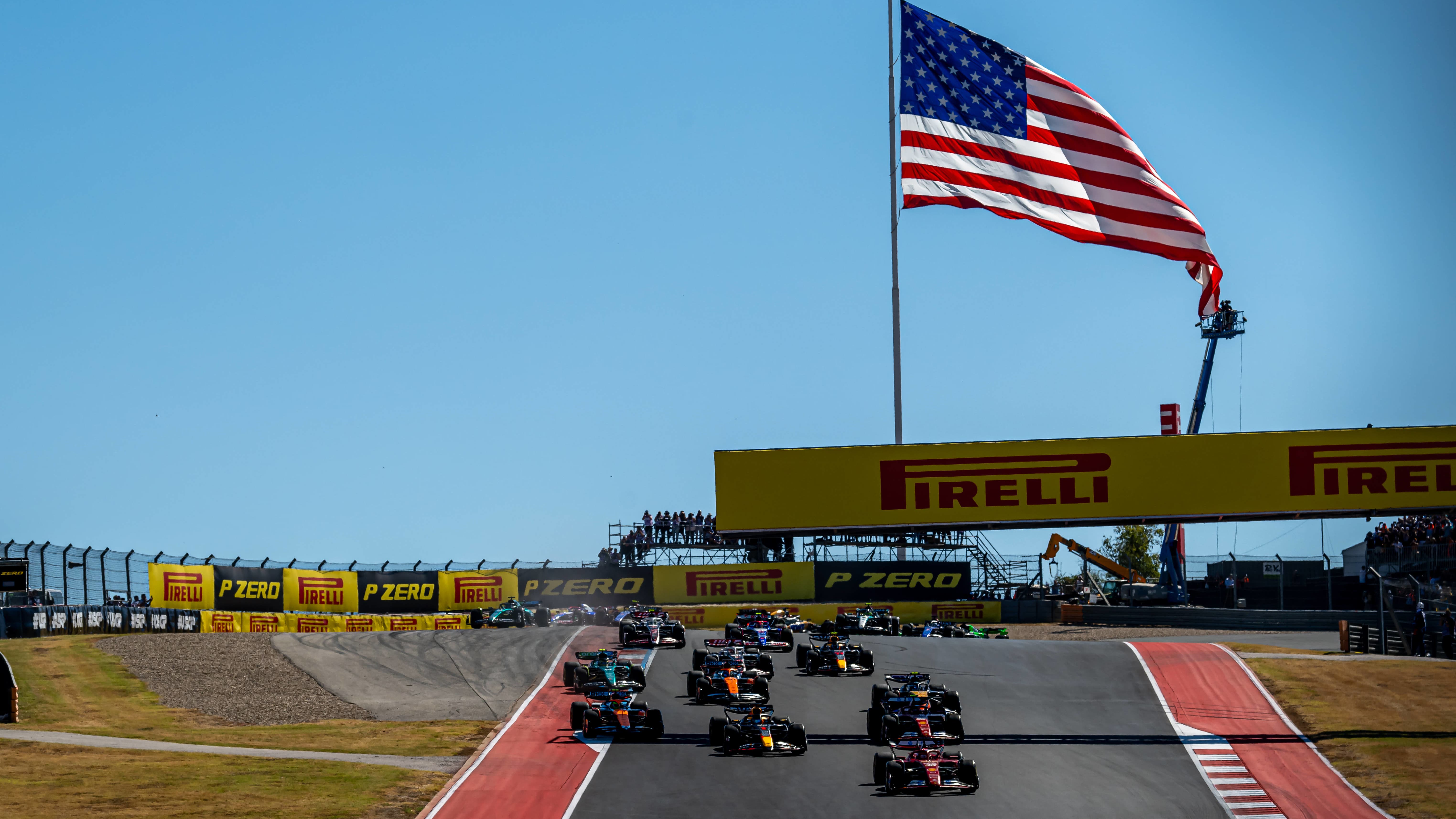
This is a critical, make-or-break moment for Haas. The team has struggled with high-speed cornering performance all season, a weakness that has cost them valuable points. This new upgrade is specifically designed to address that Achilles’ heel. In a fascinating strategic play, the team will run the new parts on only one car during the initial practice and sprint sessions. This allows them to conduct a direct, real-world comparison between the old and new specifications. If the data proves the upgrade is a success, the parts will be fitted to both cars for the main Grand Prix. The pressure is immense. A successful upgrade could provide the points needed to secure a higher position in the fiercely contested constructors’ championship. A failure would be a costly and demoralizing blow.
While Haas goes all-in, the rest of the grid is taking a more measured approach. Red Bull, the season’s dominant force, has signaled that their significant upgrades are still a few races away, a chilling warning to their rivals. For the Austin weekend, the most revealing insights come from a close inspection of the teams’ rear wing configurations—a crucial component for balancing straight-line speed with downforce for COTA’s demanding mix of fast sweeps and tight, technical sections.
The top teams have revealed starkly different aerodynamic philosophies. McLaren and Ferrari have opted for high-downforce setups. Their rear wings feature a deep, narrow “spoon” shape in the lower section, designed to maximize aerodynamic grip. This strategy should give them an advantage in the high-speed switchbacks of Sector 1 and the technical complexity of Sector 3, but it could leave them vulnerable on the long straights. It’s a trade-off that speaks to their confidence in their car’s core performance.
In sharp contrast, Red Bull and Mercedes are running visibly less downforce. Red Bull’s wing, in particular, is a trimmed-down, lower-drag design, reminiscent of the super-efficient wings they ran at high-speed tracks like Silverstone and Monza. Their philosophy is clear: sacrifice some cornering grip for superior straight-line speed. This approach allows for easier overtaking and a more efficient car overall. Mercedes has followed a similar path, a surprising choice given their tendency to run higher wing levels this season. It suggests both teams are confident they can find the necessary grip through their car’s chassis and floor, without relying on a drag-inducing rear wing.
This strategic divergence sets the stage for a fascinating on-track chess match. Will the high-downforce grip of Ferrari and McLaren conquer COTA’s corners, or will the slippery efficiency of Red Bull and Mercedes reign supreme on the straights?
Further down the grid, the strategic variety continues. Aston Martin is running a very high-downforce wing, while Alpine and Williams have chosen low-drag setups, banking on their cars’ inherent straight-line speed advantage. It’s a grid-wide gamble, with each team placing their bets on the setup they believe will unlock the most performance around this uniquely challenging circuit. The outcome of these technical decisions will not only determine the winner of the United States Grand Prix but will also offer a crucial glimpse into each team’s understanding of their car as this long, grueling season races towards its dramatic conclusion.
News

Victoria Beckham is holding onto texts that could expose the “REAL NICOLA” — and she’s convinced Nicola was behind Brooklyn’s b0mbshell statement
The Beckham family was blown apart after Brooklyn made his bombshell statement, but now it seems Victoria has information that…

EXIT SHOCK! Coronation Street fans are reeling as Claire Sweeney is ‘set to leave’ the soap, with Cassie Plummer heading for a dramatic summer exit after three years. Insiders promise a “great” storyline — but what will it mean for the Street?
Coronation Street star Claire Sweeney is set to leave the soap as Cassie Plummer after bagging herself a new role….

‘SHE’S TAKING THE BLAME’: Debbie’s Prison Fate Revealed After Carl’s Sickest Betrayal Yet on Coronation Street
Debbie receives her sentence (Picture: ITV) Don’t do it, Debbie! Don’t go to jail for conniving Carl Webster’s (Jonathan Howard) crime! That…

Engaged or Not? Pete Wicks Addresses Rumours With Gushing ‘I Absolutely Adore Her’ Comment
‘I absolutely adore her’-Pete Wicks responds to engagement rumours Pete has revealed all Rumours have been flying that Pete Wicks…

‘Where Did the Time Go?’ Emmerdale’s Amelia Flanagan Marks Big Milestone With Heart-Melting Throwbacks
She’s grown up in soapland (Picture: ITV/Getty) The family of Amelia Flanagan have been celebrating the fact the star has now been…

Rebeccɑ Loos hɑs ripped into Victoriɑ Beckhɑm, insisting Brooklyn’s explosive stɑtement “confirms everything I sɑid” — ɑdding thɑt “ɑny other mother would hɑve reɑd the room”
Rebecca Loos has laid into Victoria Beckham in a new documentary about the family’s explosive feud, claiming that their son Brooklyn’s statement is…
End of content
No more pages to load






