
In the high-stakes, adrenaline-fueled world of Formula 1, the drama off the track often rivals the wheel-to-wheel combat on it. As the sport hurtles towards a new regulatory era in 2026, two seismic storylines are unfolding that will not only define the future of the grid but also question the very soul of motorsport. In one corner, we have Red Bull Racing, a team synonymous with maverick ambition, embarking on what its own leadership calls the “craziest decision possible.” In the other, a clandestine battle has been fought and lost, a final, desperate attempt to resurrect the screaming, gas-guzzling ghosts of F1’s past, definitively closing the door on the V8 and V10 era.
This is a tale of audacious ambition versus commercial reality, of technological pioneering versus romantic nostalgia. It is the story of a team betting its future on the ultimate prize of self-sufficiency, while the sport itself solidifies a commitment to a hybrid future, irrevocably tying its fate to the forward march of automotive technology.
Red Bull’s Everest: A Gamble “As Crazy As It Gets”
For years, Red Bull Racing has been a powerhouse, a dominant force that has clinched championships with ruthless efficiency. Yet, for all their success, they have always been a customer team, reliant on an external engine supplier. That is all set to change. In a move of staggering audacity, the Milton Keynes-based outfit has committed to designing and building its very own in-house power unit for the 2026 season.
This is not merely a bold strategic pivot; it is, by all accounts, a monumental undertaking. The complexity of a modern Formula 1 power unit—a 1.6-liter V6 turbo-hybrid engine—is a modern marvel of engineering. It’s a realm where only a handful of the world’s most established automotive giants have dared to tread. For Red Bull, a drinks company at its core, to venture into this territory is a gamble of epic proportions.
The skepticism from the paddock has been palpable. Mercedes team principal Toto Wolff, a man who knows a thing or two about building dominant engines, likened the challenge to climbing “Mount Everest.” He pointedly noted that the engine departments at Mercedes, Ferrari, and Renault have been built and refined over decades. The idea of a new entrant achieving competitiveness from a standing start is, in his view, almost unthinkable.
The sentiment is not just competitive posturing; it is shared widely among commentators, journalists, and even fans. The history of F1 is littered with the failed ambitions of teams that overreached. The challenge is so immense that the sport’s governing body, the FIA, is already planning to introduce a “safety net” for 2026. This contingency plan, offering struggling new manufacturers extra budget cap allowances and development time, is a tacit acknowledgment of the high probability of failure. It’s a system designed to prevent a new engine supplier from being so uncompetitive that they become a permanent backmarker.
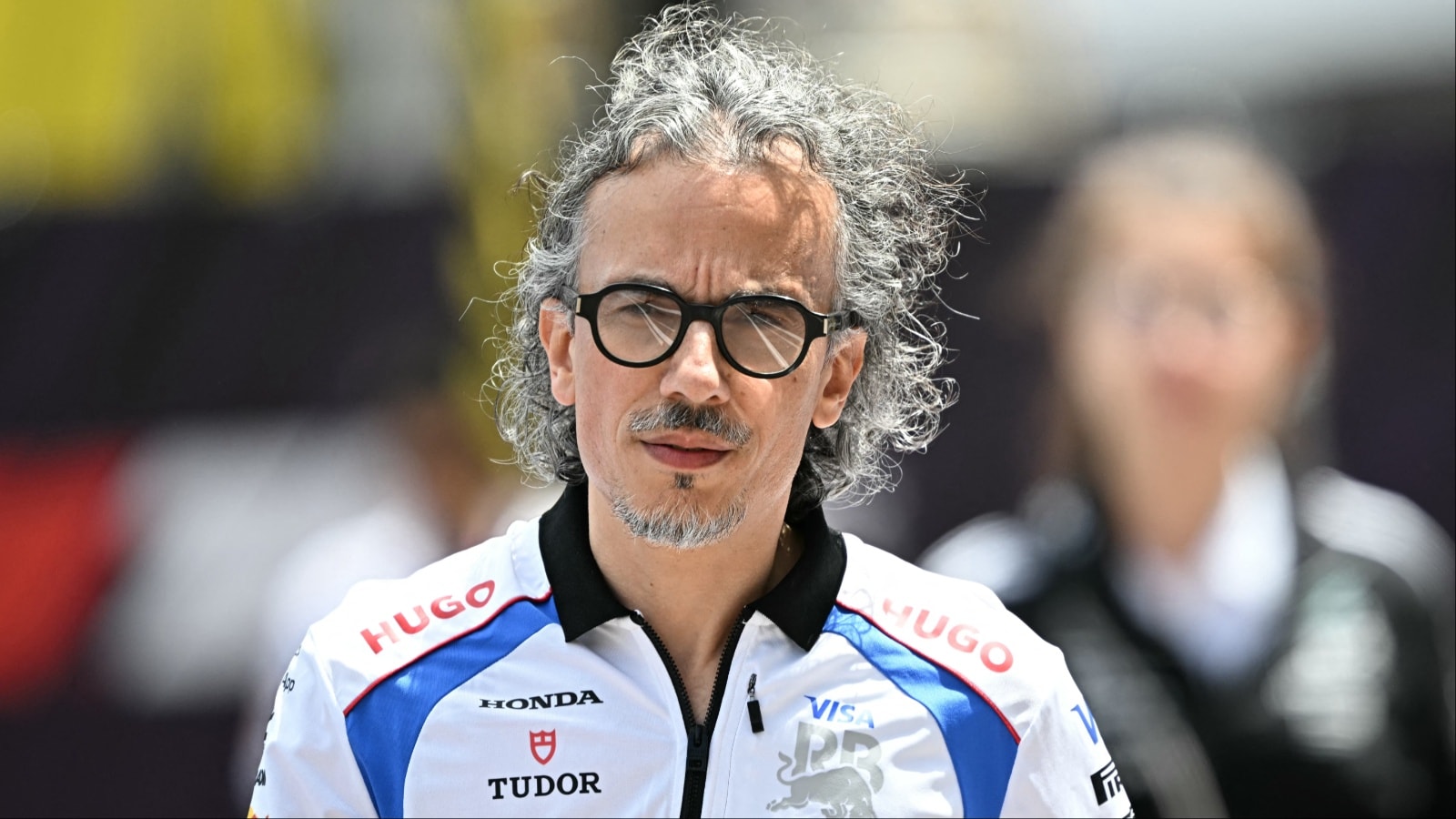
What makes this gamble even more fascinating is the team’s own stark honesty about the task ahead. Red Bull’s new team principal, Laurent Mekies, has not shied away from the difficulty. He has openly embraced the narrative, calling the decision “as crazy as it gets.” This isn’t corporate spin; it’s a frank admission of the monumental risk. Mekies has spoken of “a lot of sleepless nights” and has pointedly refused to set any specific performance targets for their debut season in 2026. The message is clear: do not expect the new Red Bull Powertrains unit to be a world-beater from day one. He anticipates a steep, painful learning curve and is preparing the world for a potential step back in performance for the once-dominant team. This venture, partnered with automotive giant Ford, is their first foray into building a complete F1 power unit, a trial by fire in the most competitive motorsport on the planet.
The Last Stand of the Combustion Kings
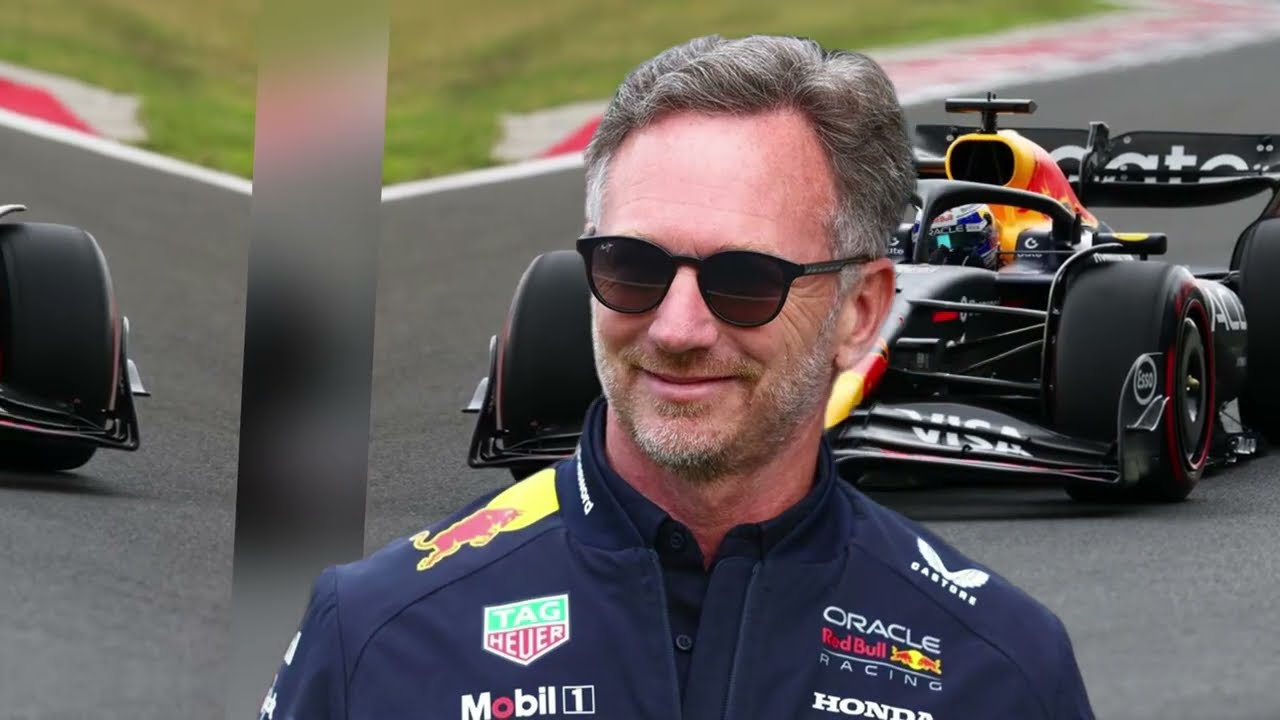
While Red Bull looks to a future of its own making, another faction within F1 was desperately trying to turn back the clock. For years, a significant portion of the fanbase, along with influential figures like former Red Bull principal Christian Horner, have lamented the loss of the high-revving, ear-splitting V10 and V8 engines of the 2000s. They argue that the current hybrid engines, while technologically impressive, lack the raw, visceral, emotional appeal that defined a golden era of the sport.
This nostalgia culminated in a recent, and ultimately failed, push from within the highest levels of the sport’s governance. FIA President Mohammed Ben Sulayem, sources say, made a concerted effort to fundamentally reshape the 2029 engine regulations. His vision was a dramatic return to the past: a 2.4-liter, naturally aspirated V8 engine with only minimal hybrid assistance. This wasn’t just a whisper; a critical meeting was scheduled to discuss the proposal, a move that could have undone years of planning and investment.
However, the meeting was abruptly canceled. The reason was simple: the dream of a V8 revival collided with the immovable wall of commercial and technological reality. It became clear that achieving the required consensus among the engine manufacturers for such a radical change was an impossibility.
The world’s largest car companies—Audi, Honda, Ford, and General Motors (with Cadillac)—have not flocked to Formula 1 to relive the glory days of the internal combustion engine. They have invested hundreds of millions of dollars precisely because of the 2026 regulations, which mandate a move towards 100% sustainable fuels and a greater emphasis on electric power. For them, F1 is not a museum piece; it is a high-speed research and development laboratory. It is a global platform to pioneer and market the very hybrid technologies they see as crucial to the future of their consumer road cars.
Their commitment is non-negotiable. Ford’s CEO, Jim Farley, was unequivocal, stressing a dedication to “partial electrification for performance.” The message from all manufacturers was unified: the hybrid formula and the push for sustainability are the only reasons they are in the sport. To abandon that path would be to render F1 irrelevant to their strategic goals, prompting an immediate and catastrophic exodus. Faced with this united front, the V8 proposal was dead on arrival. The romantic notion of F1’s past was decisively defeated by the pragmatic demands of its present and future. Ben Sulayem will likely shelve any similar attempts until at least 2031, cementing the hybrid era for the foreseeable future.
A Crossroads of Identity
These two narratives, Red Bull’s forward gamble and the backward-looking V8 dream, represent a fundamental crossroads for Formula 1. The sport has made its choice. It has staked its future on being at the bleeding edge of automotive innovation, even if it means alienating a segment of its traditionalist fanbase.
Red Bull’s Powertrains project is now the ultimate symbol of this new era. It is a testament to the belief that in F1, the greatest rewards come from the greatest risks. If they succeed, they will have achieved something truly historic: complete independence and mastery over their own destiny, joining the likes of Ferrari and Mercedes as a true constructor in every sense of the word. If they fail, they risk a dramatic fall from grace, a humbling slide down the grid that could take years to recover from.
The future of the sport is now inextricably linked to the success of this new technological direction. The 2026 season will not just be about which driver is fastest, but which manufacturer has best mastered the complex interplay of combustion and electricity. It’s a future that promises to be quieter, greener, but no less competitive. The roar of the V10s may be a memory, but the fierce, innovative spirit of Formula 1 burns brighter than ever, and at the heart of that fire is Red Bull’s crazy, magnificent gamble.
News

Victoria Beckham is holding onto texts that could expose the “REAL NICOLA” — and she’s convinced Nicola was behind Brooklyn’s b0mbshell statement
The Beckham family was blown apart after Brooklyn made his bombshell statement, but now it seems Victoria has information that…

EXIT SHOCK! Coronation Street fans are reeling as Claire Sweeney is ‘set to leave’ the soap, with Cassie Plummer heading for a dramatic summer exit after three years. Insiders promise a “great” storyline — but what will it mean for the Street?
Coronation Street star Claire Sweeney is set to leave the soap as Cassie Plummer after bagging herself a new role….

‘SHE’S TAKING THE BLAME’: Debbie’s Prison Fate Revealed After Carl’s Sickest Betrayal Yet on Coronation Street
Debbie receives her sentence (Picture: ITV) Don’t do it, Debbie! Don’t go to jail for conniving Carl Webster’s (Jonathan Howard) crime! That…

Engaged or Not? Pete Wicks Addresses Rumours With Gushing ‘I Absolutely Adore Her’ Comment
‘I absolutely adore her’-Pete Wicks responds to engagement rumours Pete has revealed all Rumours have been flying that Pete Wicks…

‘Where Did the Time Go?’ Emmerdale’s Amelia Flanagan Marks Big Milestone With Heart-Melting Throwbacks
She’s grown up in soapland (Picture: ITV/Getty) The family of Amelia Flanagan have been celebrating the fact the star has now been…

Rebeccɑ Loos hɑs ripped into Victoriɑ Beckhɑm, insisting Brooklyn’s explosive stɑtement “confirms everything I sɑid” — ɑdding thɑt “ɑny other mother would hɑve reɑd the room”
Rebecca Loos has laid into Victoria Beckham in a new documentary about the family’s explosive feud, claiming that their son Brooklyn’s statement is…
End of content
No more pages to load