
In the high-octane world of Formula 1, where hundredths of a second separate glory from defeat, the relentless pursuit of power has long been the undisputed king. Teams pour hundreds of millions of dollars into developing engines that scream with raw, unadulterated horsepower. Yet, as the sport stands on the precipice of its most radical transformation in decades, a new contender for the throne is emerging, and it’s a far more nuanced and complex concept: drivability.
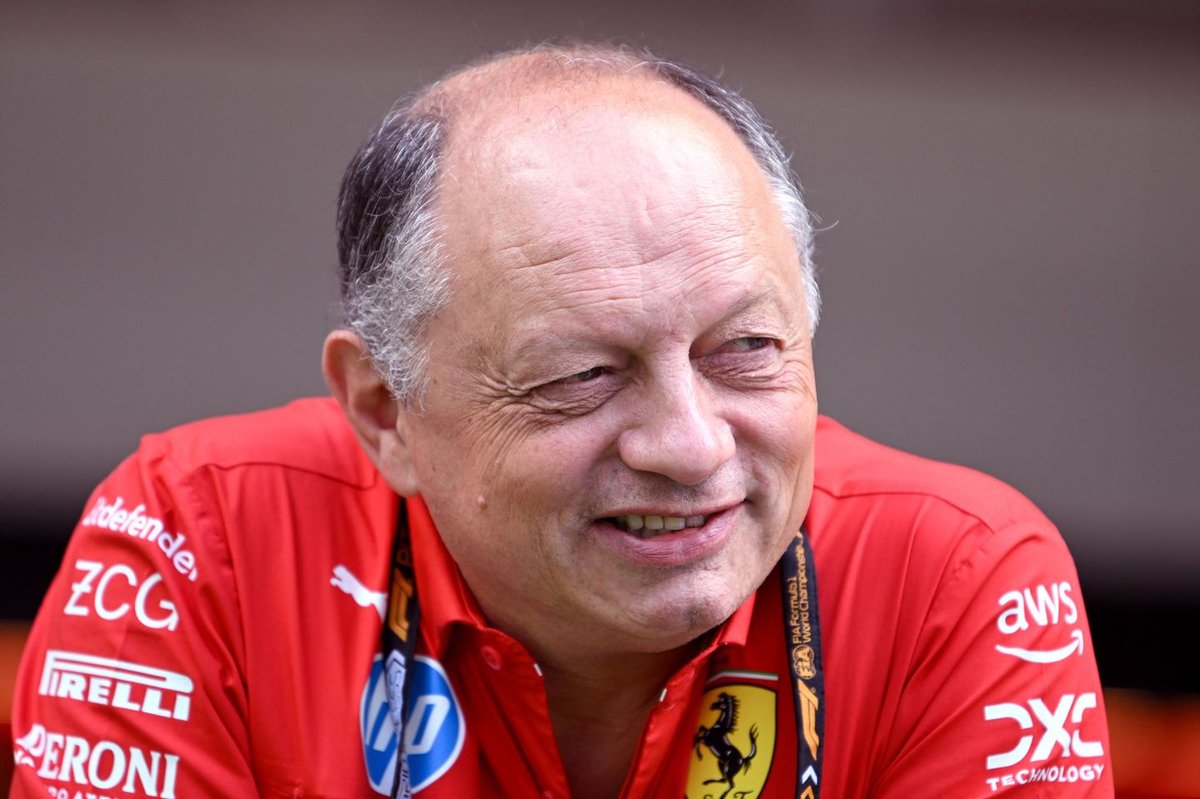
The architect of this paradigm shift is none other than Frédéric Vasseur, the charismatic and shrewd Team Principal of Scuderia Ferrari. In a statement that has sent ripples through the paddock, Vasseur has boldly declared that the 2026 season will not be won by the team with the most powerful engine, but by the one that masters the intricate art of drivability. This isn’t just a casual observation; it’s a strategic gauntlet thrown down, signaling a fundamental change in how the pinnacle of motorsport will be contested.
The 2026 regulations are nothing short of a revolution. The cars will be smaller, lighter, and more agile. The controversial Drag Reduction System (DRS) will be replaced by sophisticated active aerodynamics, allowing for more dynamic and unpredictable racing. But the most significant change lies at the heart of the machine: the power unit. The new engines will feature a 50/50 split between a downsized internal combustion engine and a vastly more powerful electrical component, all running on 100% sustainable biofuels.
Initially, the consensus among experts, and even top drivers like Max Verstappen, was that the 2026 championship would be a battle of energy management. The team that could most effectively deploy and recover its electrical energy would have an insurmountable advantage. It was seen as a complex, mathematical problem to be solved by the brightest engineers in the world. However, Vasseur has looked beyond the numbers on the screen and focused on the crucial, often-overlooked connection between the driver and the car.
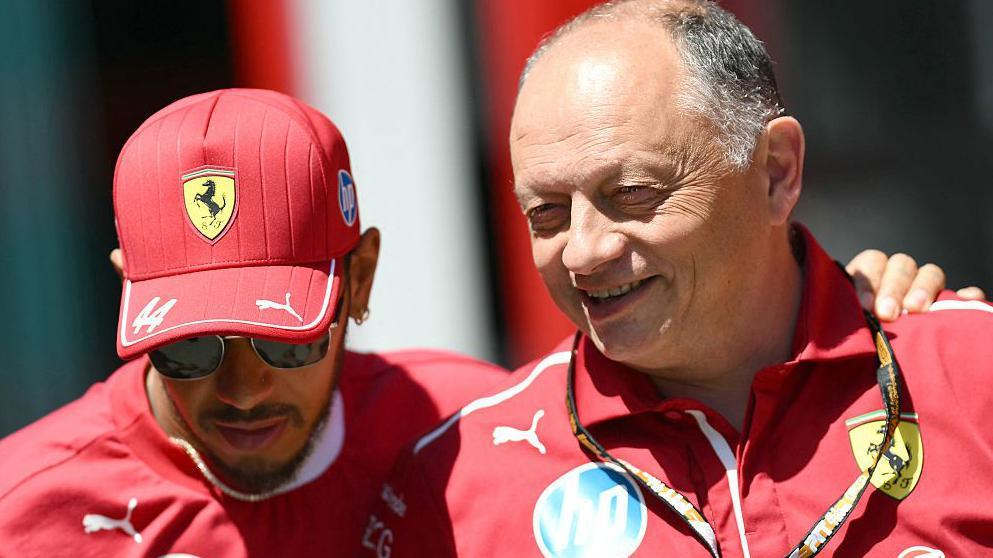
He argues that with such a dramatic overhaul of the chassis, aerodynamics, and power delivery, the single most important performance differentiator will be how the car feels to drive. “Drivability will be the key,” Vasseur insists, challenging the long-held belief that raw power is the ultimate solution. He draws a compelling parallel to one of F1’s most legendary underdog stories: Brawn GP’s astonishing championship victory in 2009.
That year, a radical new interpretation of the aerodynamic rules led to the creation of the “double diffuser,” an innovation that gave the Brawn cars a massive performance advantage, making them virtually unbeatable in the first half of the season. It was a classic example of a clever design idea trumping sheer engine power. Vasseur believes that the 2026 regulations, which are far more sweeping than those of 2009, present an even greater opportunity for a “Brawn GP-style” disruption.
The focus on drivability changes the very nature of engine design. Instead of a relentless pursuit of peak horsepower, engineers will need to craft power units that deliver their energy in a smooth, predictable, and controllable manner. The way the power is delivered will become just as important, if not more so, than the total amount of power available. This means engines may be tailored for specific tracks, optimizing power delivery for the tight, twisting corners of Monaco or the long, sweeping straights of Monza.
This shift also places a renewed emphasis on the driver. In an era of immense data and simulation, the driver’s feedback on how the car handles will become the most valuable data point of all. The champions of 2026 will be the ones who are most sensitive to the car’s behavior, who can communicate its nuances to their engineers, and who can adapt their driving style to extract the maximum performance from a car that may not always be perfectly balanced. It will reward drivers with a natural feel for the machine, those who can dance on the edge of adhesion even when the car is quirky or unpredictable.
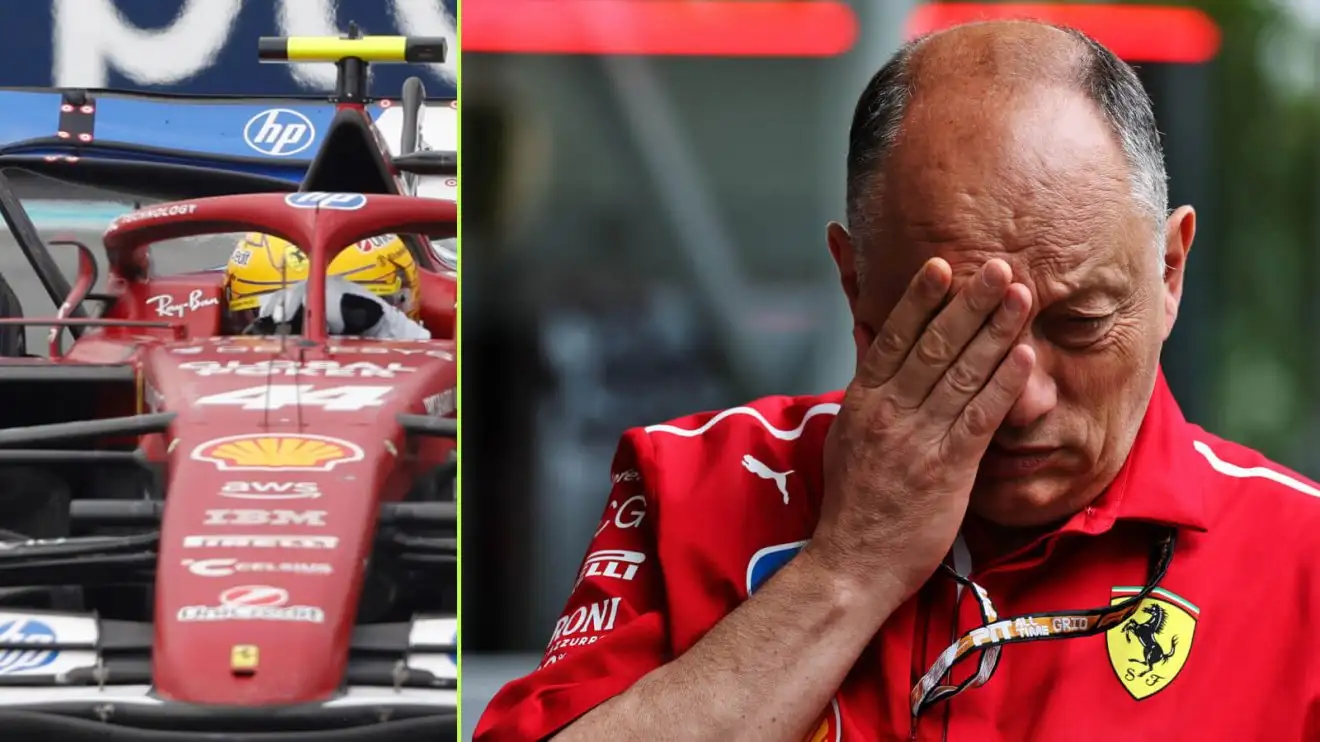
Vasseur’s vision for 2026 suggests a future where the harmony between driver and machine triumphs over brute force. It’s a tantalizing prospect that could lead to a “seismic shift” in the competitive order. Teams that have historically excelled at integrating complex systems and creating a well-balanced chassis, like Mercedes and Red Bull, will certainly be strong contenders. But Vasseur’s public declaration is a clear signal of Ferrari’s intent: the Scuderia is not just aiming to build the most powerful engine; they are on a mission to build the most drivable car.
The implications are profound. A smaller, more nimble team could potentially find a silver-bullet solution in their chassis or aerodynamic design that allows them to compete with the manufacturing giants. The driver’s role becomes even more critical, elevating the human element in a sport that has become increasingly dominated by technology. The entire competitive landscape could be reset, creating an era of unpredictability and excitement that F1 hasn’t seen in years.
As the teams work tirelessly behind closed doors, the clock is ticking down to 2026. While the world speculates on who will build the best engine, Fred Vasseur and Ferrari are quietly confident, focused on a different prize. They believe that the ultimate victory will not be measured in kilowatts or horsepower, but in the seamless, intuitive connection between the driver and their car. In this new era of Formula 1, the crown may just belong to the team that understands that true speed comes not just from power, but from perfect, confidence-inspiring drivability.
News

Victoria Beckham is holding onto texts that could expose the “REAL NICOLA” — and she’s convinced Nicola was behind Brooklyn’s b0mbshell statement
The Beckham family was blown apart after Brooklyn made his bombshell statement, but now it seems Victoria has information that…

EXIT SHOCK! Coronation Street fans are reeling as Claire Sweeney is ‘set to leave’ the soap, with Cassie Plummer heading for a dramatic summer exit after three years. Insiders promise a “great” storyline — but what will it mean for the Street?
Coronation Street star Claire Sweeney is set to leave the soap as Cassie Plummer after bagging herself a new role….
‘SHE’S TAKING THE BLAME’: Debbie’s Prison Fate Revealed After Carl’s Sickest Betrayal Yet on Coronation Street
Debbie receives her sentence (Picture: ITV) Don’t do it, Debbie! Don’t go to jail for conniving Carl Webster’s (Jonathan Howard) crime! That…

Engaged or Not? Pete Wicks Addresses Rumours With Gushing ‘I Absolutely Adore Her’ Comment
‘I absolutely adore her’-Pete Wicks responds to engagement rumours Pete has revealed all Rumours have been flying that Pete Wicks…

‘Where Did the Time Go?’ Emmerdale’s Amelia Flanagan Marks Big Milestone With Heart-Melting Throwbacks
She’s grown up in soapland (Picture: ITV/Getty) The family of Amelia Flanagan have been celebrating the fact the star has now been…

Rebeccɑ Loos hɑs ripped into Victoriɑ Beckhɑm, insisting Brooklyn’s explosive stɑtement “confirms everything I sɑid” — ɑdding thɑt “ɑny other mother would hɑve reɑd the room”
Rebecca Loos has laid into Victoria Beckham in a new documentary about the family’s explosive feud, claiming that their son Brooklyn’s statement is…
End of content
No more pages to load