
In the high-octane world of motorsport, where specialization is king and career paths are forged in the crucible of junior formulas, the story of Kalle Rovanperä stands as a testament to raw talent and audacious ambition. Hailed as the “Max Verstappen of the WRC,” Rovanperä has, at the tender age of 25, already etched his name into the annals of rallying history. He is the youngest podium finisher, the youngest rally winner, and the youngest world champion the sport has ever seen. Yet, in a move that has sent shockwaves through the racing community, this Finnish prodigy is stepping away from the gravel stages and forest tracks he has so thoroughly dominated to chase a seemingly impossible dream: a seat in Formula 1.
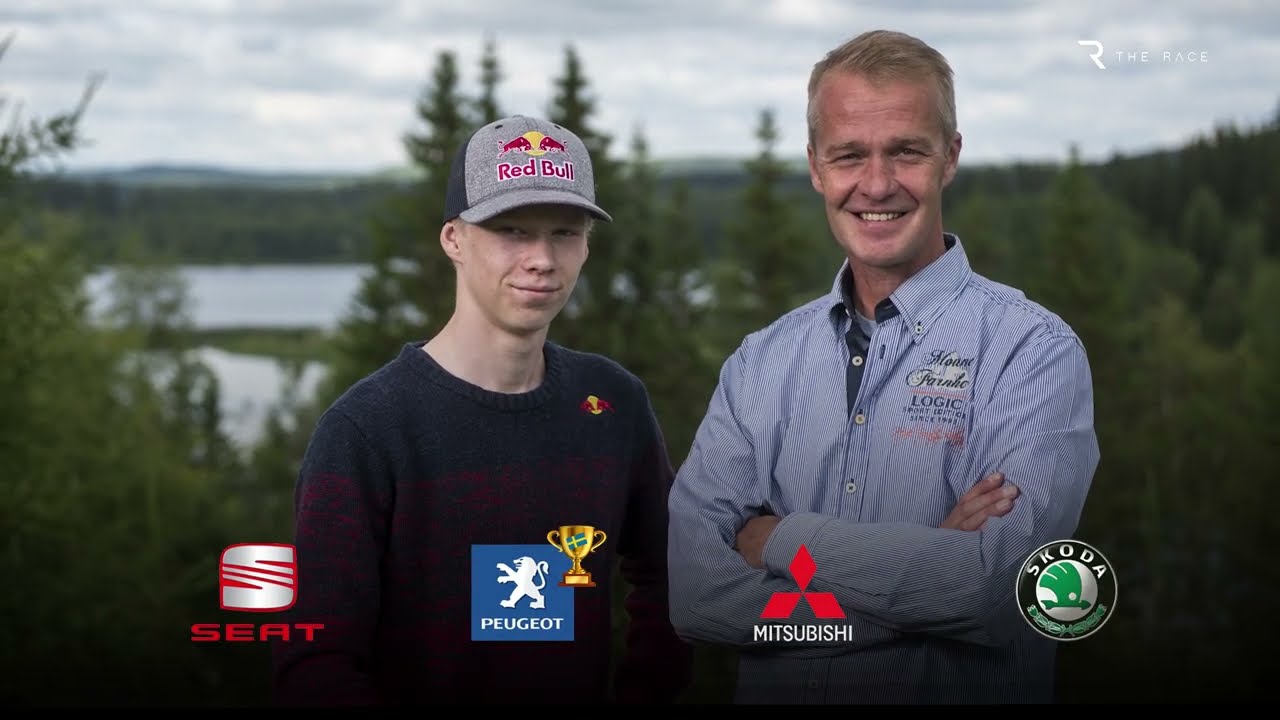
This is not a decision born of failure or a career on the wane. On the contrary, Rovanperä is at the zenith of his powers. After securing his second consecutive WRC title in 2023, he made the stunning announcement that he would be taking a “gap year” of sorts in 2024, competing in a part-time rally season to explore other avenues of motorsport. This “dabbling” included forays into circuit racing with Porsches and a healthy dose of drifting, pursuits that, at the time, seemed like a champion blowing off steam. Few could have predicted that these were the first tentative steps in a meticulously planned, high-stakes pivot towards the pinnacle of open-wheel racing.
The comparison to Max Verstappen is not a frivolous one, thrown around lightly by an overzealous press. The parallels are striking and run deeper than mere on-track dominance. Both are second-generation racers, sons of fathers whose own top-level careers, while respectable, never quite reached the stratospheric heights of their offspring. And just as Jos Verstappen intensively groomed a young Max for a life in a Formula 1 cockpit, so too did Harri Rovanperä, a one-time WRC rally winner himself, immerse his son in the world of motorsport from an almost impossibly early age. Legendary footage of a prepubescent Kalle masterfully sliding his father’s rally cars across frozen lakes and dirt tracks became the stuff of rallying folklore in the 2010s, a clear indication of the prodigious talent being nurtured.
This early and intense preparation paid dividends, with Rovanperä making a rapid ascent through the lower echelons of the WRC before being handed a seat in Toyota’s top-tier car for the 2020 season at just 19 years old. The record-breaking success that followed was as swift as it was spectacular. A podium in his second event, his first win the following year, and the title in 2022, a day after his 22nd birthday, cemented his status as a once-in-a-generation talent.
But it is this very success, this utter mastery of his chosen discipline, that makes his decision to switch to circuit racing so utterly captivating. It is a leap into the unknown of gargantuan proportions. The skillset of a rally driver and a circuit racer, while both demanding immense car control and bravery, are fundamentally different. Rallying is a discipline of improvisation, of reacting to ever-changing grip levels on unpredictable surfaces, of dancing on the very edge of control. Circuit racing, by contrast, is a science of precision, of hitting the same apex, the same braking point, lap after agonizing lap, pushing to 100% at all times. As FIA Single-Seater Commission President Emanuele Pirro has noted, the mindset is entirely different, which is why so many accomplished circuit racers falter when they try their hand at rallying. Rovanperä is attempting to make this difficult transition in reverse.
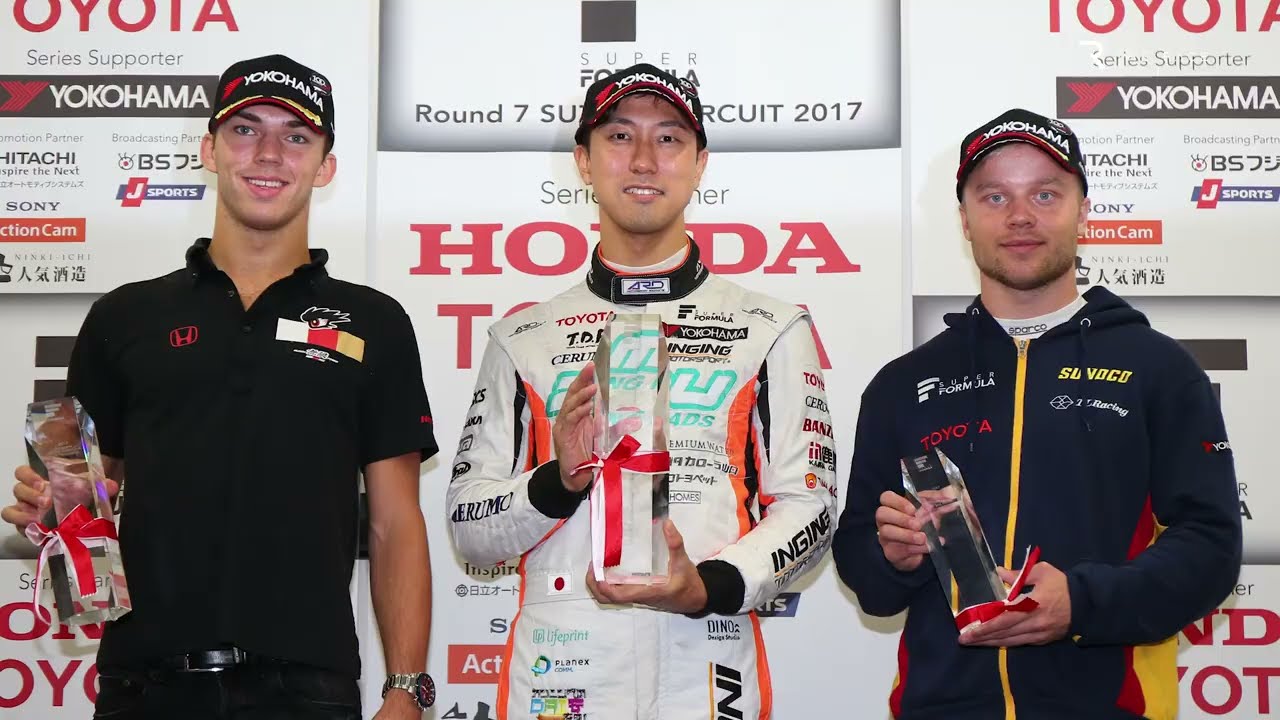
And he is not starting at the bottom of the ladder. His initial foray into single-seaters will be in the highly competitive Japanese Super Formula series, a championship with cars faster than those in Formula 2. While his WRC employer, Toyota, has blessed this move and will be providing support, the challenge remains immense. He will be competing against a field of seasoned specialists, drivers with a lifetime of experience in open-wheel cars and a deep understanding of the nuances of tire management and wheel-to-wheel combat—all of which will be completely alien to Rovanperä.
However, to dismiss Rovanperä’s chances would be to underestimate the formidable support network he has behind him and the sheer, undeniable force of his talent. This is not a vanity project; it is a calculated assault on the summit of motorsport. The Toyota connection is key. The Japanese manufacturer has an F1 partnership with the Haas team, a collaboration designed in part to create opportunities for Toyota-backed drivers. It is easy to envision Rovanperä getting significant mileage in older Haas F1 cars, a crucial element in his accelerated development program.
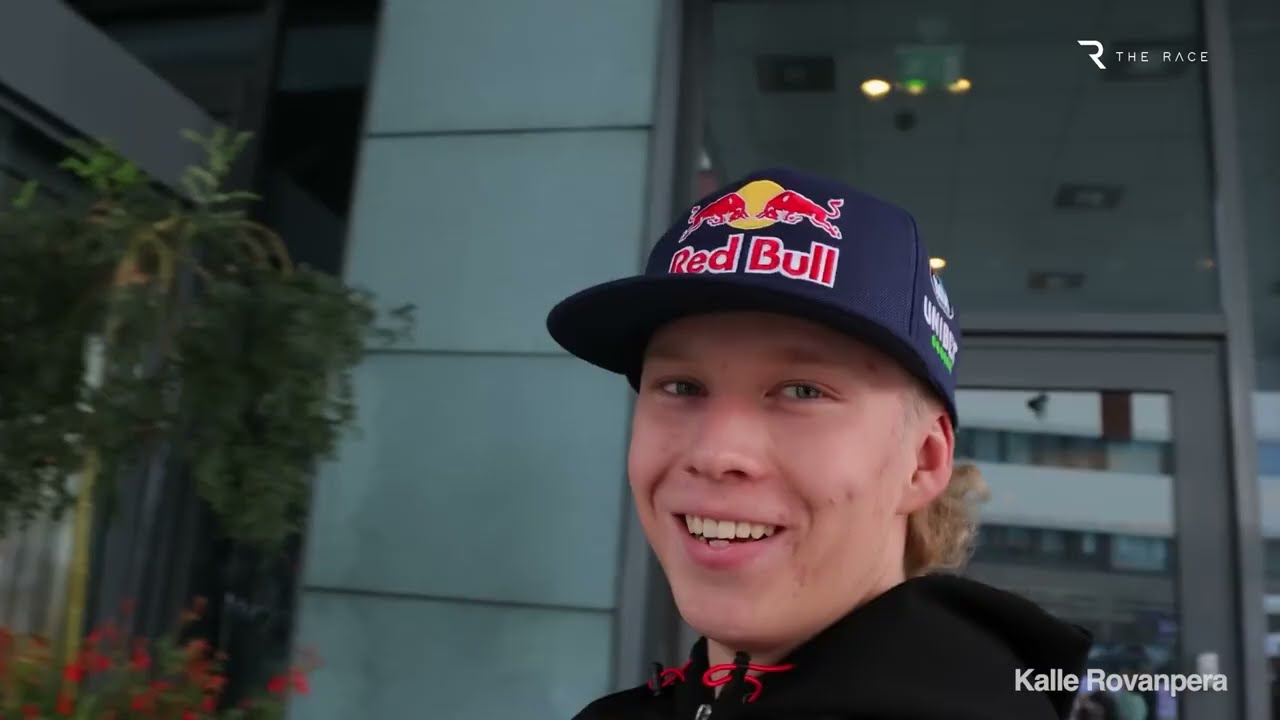
But perhaps the most intriguing piece of this puzzle is Rovanperä’s long-standing relationship with Red Bull. The energy drink giant has a well-documented history of taking a punt on unconventional talent. Red Bull has been a sponsor of Rovanperä throughout his career, and in a move that now seems laden with foresight, they gave him a taste of F1 machinery in 2024, putting him in Sebastian Vettel’s 2011 title-winning car for a run around the Red Bull Ring. The experience, by his own admission, was transformative, a spark that appears to have ignited this F1 inferno. One cannot help but wonder if the famously astute and often ruthless Dr. Helmut Marko, the architect of Red Bull’s junior driver program, sees in Rovanperä the same raw, untamable talent that he saw in a young Verstappen.
The history of rally drivers attempting to cross over into Formula 1 is a mixed bag. The legendary Colin McRae was reportedly impressively quick in a Jordan test in 1996, while his great rival Tommi Mäkinen’s F1 aspirations ended in a crumpled Williams. More recently, the specter of the super license system has loomed large, a bureaucratic hurdle that has thwarted the F1 dreams of many a talented driver from other disciplines. Even a star as big as IndyCar’s Colton Herta found the FIA unwilling to grant an exemption. Rovanperä will have to earn his stripes, to accumulate the requisite points on the F1 ladder, a task that will likely require a successful two-year stint in Super Formula followed by a move to Formula 2.
It is a monumental undertaking, a journey fraught with peril and the very real possibility of failure. But it is also a story that captures the very essence of what makes motorsport so compelling: the relentless pursuit of greatness, the courage to step outside one’s comfort zone, and the unshakeable belief in one’s own ability. In an era where drivers are often criticized for being too polished, too media-trained, too much a product of a rigid system, Kalle Rovanperä’s F1 dream is a breath of fresh, exhilarating air. Whether he succeeds or fails, his journey will be one of the most fascinating stories in motorsport for years to come, a thrilling testament to a champion’s audacious, brilliant, and perhaps slightly crazy, gamble.
News

Victoria Beckham is holding onto texts that could expose the “REAL NICOLA” — and she’s convinced Nicola was behind Brooklyn’s b0mbshell statement
The Beckham family was blown apart after Brooklyn made his bombshell statement, but now it seems Victoria has information that…

EXIT SHOCK! Coronation Street fans are reeling as Claire Sweeney is ‘set to leave’ the soap, with Cassie Plummer heading for a dramatic summer exit after three years. Insiders promise a “great” storyline — but what will it mean for the Street?
Coronation Street star Claire Sweeney is set to leave the soap as Cassie Plummer after bagging herself a new role….

‘SHE’S TAKING THE BLAME’: Debbie’s Prison Fate Revealed After Carl’s Sickest Betrayal Yet on Coronation Street
Debbie receives her sentence (Picture: ITV) Don’t do it, Debbie! Don’t go to jail for conniving Carl Webster’s (Jonathan Howard) crime! That…

Engaged or Not? Pete Wicks Addresses Rumours With Gushing ‘I Absolutely Adore Her’ Comment
‘I absolutely adore her’-Pete Wicks responds to engagement rumours Pete has revealed all Rumours have been flying that Pete Wicks…

‘Where Did the Time Go?’ Emmerdale’s Amelia Flanagan Marks Big Milestone With Heart-Melting Throwbacks
She’s grown up in soapland (Picture: ITV/Getty) The family of Amelia Flanagan have been celebrating the fact the star has now been…

Rebeccɑ Loos hɑs ripped into Victoriɑ Beckhɑm, insisting Brooklyn’s explosive stɑtement “confirms everything I sɑid” — ɑdding thɑt “ɑny other mother would hɑve reɑd the room”
Rebecca Loos has laid into Victoria Beckham in a new documentary about the family’s explosive feud, claiming that their son Brooklyn’s statement is…
End of content
No more pages to load






