
In the high-stakes, adrenaline-fueled world of Formula 1, the line between triumph and disaster is measured in milliseconds. It is a sport of marginal gains, where every single component is pushed to its absolute physical limit. Yet, for all the talk of aerodynamic witchcraft, hybrid power units, and driver skill, the single most critical element connecting these multi-million-dollar machines to the asphalt is four patches of rubber. And when the sport’s most dominant voice, Max Verstappen, declares that this fundamental connection is not just inadequate but outright dangerous, the entire F1 paddock is forced to listen.
The latest firestorm was ignited by Verstappen’s scathing critique of Pirelli’s C6 compound tyre, the softest in their range. After yet another weekend struggling with the tyre, the multiple-time world champion did not mince his words. “I think I should have a conversation with Pirelli at some point and tell them to just leave that tyre at home, because it makes the whole weekend very tricky,” Verstappen insisted, his frustration palpable. “It doesn’t make any sense.” He lambasted the tyre as an “inferior” product that offered no performance advantage and created confusion in setting up the car, citing its failures at street circuits like Monaco, Imola, and Montreal – precisely the kinds of venues it was designed for.
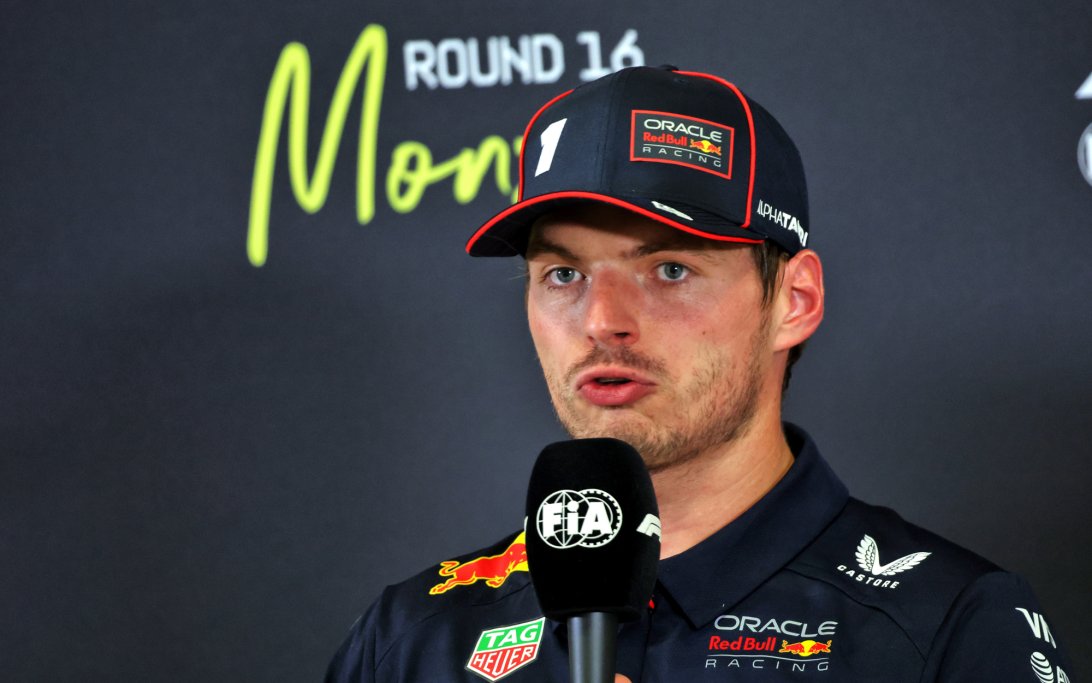
For the casual observer, it might seem like a simple case of a driver complaining about his tools. But for those within the sport, Verstappen’s words carry immense weight, signaling a deeper and more persistent conflict between the drivers who risk everything on the track and the sole tyre supplier tasked with an almost impossible job. This isn’t just a fleeting moment of anger; it’s the culmination of years of simmering tensions and a stark reminder of past tragedies that have shaped the very regulations that govern the sport today.
Pirelli, for its part, was quick to respond. The Italian manufacturer, which has held the exclusive F1 tyre contract since 2011, finds itself in an unenviable position. It must engineer tyres that meet a specific and often contradictory mandate from the sport’s governing body, the FIA. They are asked to create tyres that degrade deliberately to spice up the racing and encourage multiple pit stops, yet they must also be unequivocally safe at speeds exceeding 200 mph. Acknowledging the champion’s concerns, Pirelli’s Racing Director, Mario Isola, confirmed they would be shelving the C6 compound for the remainder of the season and are re-evaluating their strategy for the upcoming 2026 regulations.
However, this recent C6 controversy is merely a single chapter in a long and turbulent history between Verstappen and Pirelli. To truly understand the depth of his distrust, one must look back to the harrowing events of the 2021 Azerbaijan Grand Prix in Baku. Verstappen was cruising to a comfortable victory, a win that would have significantly bolstered his championship campaign, when disaster struck. Hurtling down the main straight at top speed, his left-rear tyre failed catastrophically, sending his Red Bull car spearing violently into the wall. A similar, equally terrifying incident had already ended Lance Stroll’s race earlier in the day.

The raw fury and fear were evident in Verstappen’s immediate reaction. “I’m pissed off,” he said post-race, bluntly predicting that the manufacturer would deflect responsibility. “I already know what the conclusion will be… it’s always something to do with debris.” Initially, Pirelli did suggest debris was the likely culprit, but a full investigation later revealed a “circumferential break on the inner sidewall,” related to the “running conditions of the tyre.” While Pirelli and the FIA implemented new protocols, the incident left an indelible scar. For drivers, a high-speed tyre failure is one of their greatest fears, a sudden and total loss of control that can have devastating consequences.
Verstappen’s outspokenness is not an isolated phenomenon. He is one of many top-tier drivers who have voiced concerns over the years. Sebastian Vettel and Nico Rosberg were fiercely critical following tyre blowouts at the Belgian Grand Prix in 2015, leading to calls for drivers to temper their public criticism. More recently, George Russell has spoken about the confusing inconsistency of the tyres, claiming even Pirelli doesn’t fully understand them.
This ongoing debate is a direct consequence of Formula 1’s decision to move to a single tyre supplier, a move born from one of the most embarrassing days in the sport’s history: the 2005 United States Grand Prix at Indianapolis. That race became a farce when all 14 cars running on Michelin tyres withdrew after the formation lap due to safety concerns over tyre failures on the circuit’s banked final corner. The resulting “race,” contested by only the six Bridgestone-shod cars, was a black eye for F1, highlighting the dangers and competitive imbalances of a “tyre war.” The subsequent move to a sole supplier was intended to ensure safety and level the playing field.

However, it also created a new dynamic. Without competition, the supplier’s primary client is not the teams, but the FIA and Formula 1’s commercial rights holders. The brief is to create a “show,” which often translates to tyres that are intentionally not as durable as they could be. This philosophy of “designed degradation” is fundamentally at odds with a racing driver’s instinct, which is to push to the absolute limit at all times. They are forced to drive at “90 percent,” as Fernando Alonso described it, managing temperatures and wear rather than engaging in flat-out racing.
This is the core of the conflict. Max Verstappen, a purist at heart, is a racer who wants to extract every ounce of performance from his machinery on every single lap. He, and many of his peers, yearn for tyres that are robust, predictable, and safe, allowing them to showcase their incredible talent without the constant fear of a sudden failure or the strategic necessity of driving below the limit. Pirelli, bound by its contractual obligations, must deliver a product that satisfies the commercial desire for exciting, unpredictable races.
As Formula 1 stands on the precipice of a new regulatory era in 2026, with lighter, more agile cars on the horizon, the tyre debate will only intensify. Verstappen’s powerful voice has already forced a change with the C6 compound, proving that when a champion speaks, the world listens. His crusade is for more than just a better tyre; it is a fight for the very essence of what Formula 1 should be: the pinnacle of motorsport, where the world’s best drivers can push the world’s most advanced cars to their absolute limits, safely and without compromise. The battle between the driver and the tyre is far from over.
News

Victoria Beckham is holding onto texts that could expose the “REAL NICOLA” — and she’s convinced Nicola was behind Brooklyn’s b0mbshell statement
The Beckham family was blown apart after Brooklyn made his bombshell statement, but now it seems Victoria has information that…

EXIT SHOCK! Coronation Street fans are reeling as Claire Sweeney is ‘set to leave’ the soap, with Cassie Plummer heading for a dramatic summer exit after three years. Insiders promise a “great” storyline — but what will it mean for the Street?
Coronation Street star Claire Sweeney is set to leave the soap as Cassie Plummer after bagging herself a new role….

‘SHE’S TAKING THE BLAME’: Debbie’s Prison Fate Revealed After Carl’s Sickest Betrayal Yet on Coronation Street
Debbie receives her sentence (Picture: ITV) Don’t do it, Debbie! Don’t go to jail for conniving Carl Webster’s (Jonathan Howard) crime! That…

Engaged or Not? Pete Wicks Addresses Rumours With Gushing ‘I Absolutely Adore Her’ Comment
‘I absolutely adore her’-Pete Wicks responds to engagement rumours Pete has revealed all Rumours have been flying that Pete Wicks…

‘Where Did the Time Go?’ Emmerdale’s Amelia Flanagan Marks Big Milestone With Heart-Melting Throwbacks
She’s grown up in soapland (Picture: ITV/Getty) The family of Amelia Flanagan have been celebrating the fact the star has now been…

Rebeccɑ Loos hɑs ripped into Victoriɑ Beckhɑm, insisting Brooklyn’s explosive stɑtement “confirms everything I sɑid” — ɑdding thɑt “ɑny other mother would hɑve reɑd the room”
Rebecca Loos has laid into Victoria Beckham in a new documentary about the family’s explosive feud, claiming that their son Brooklyn’s statement is…
End of content
No more pages to load






