
In the high-octane world of Formula 1, few names command as much respect and admiration as McLaren. With a history stretching back to 1963, this iconic British team has carved out a legacy built on innovation, perseverance, and an unyielding desire for victory. From the visionary dreams of its founder, Bruce McLaren, to the modern-day resurgence led by a new generation of talent, McLaren’s journey is a captivating saga of triumphs and tribulations that has left an indelible mark on the sport.
The story of McLaren begins with a young and ambitious driver from New Zealand, Bruce McLaren. A prodigious talent behind the wheel, McLaren’s aspirations extended far beyond the cockpit. In 1963, he founded Bruce McLaren Motor Racing, driven by a passion for engineering and a vision to create the ultimate racing machines. The team’s early years were characterized by a pioneering spirit, with McLaren himself not only driving the cars but also playing a crucial role in their design and development. The iconic papaya orange livery, a color that would become synonymous with the team, made its debut, symbolizing the dawn of a new era in motorsport.
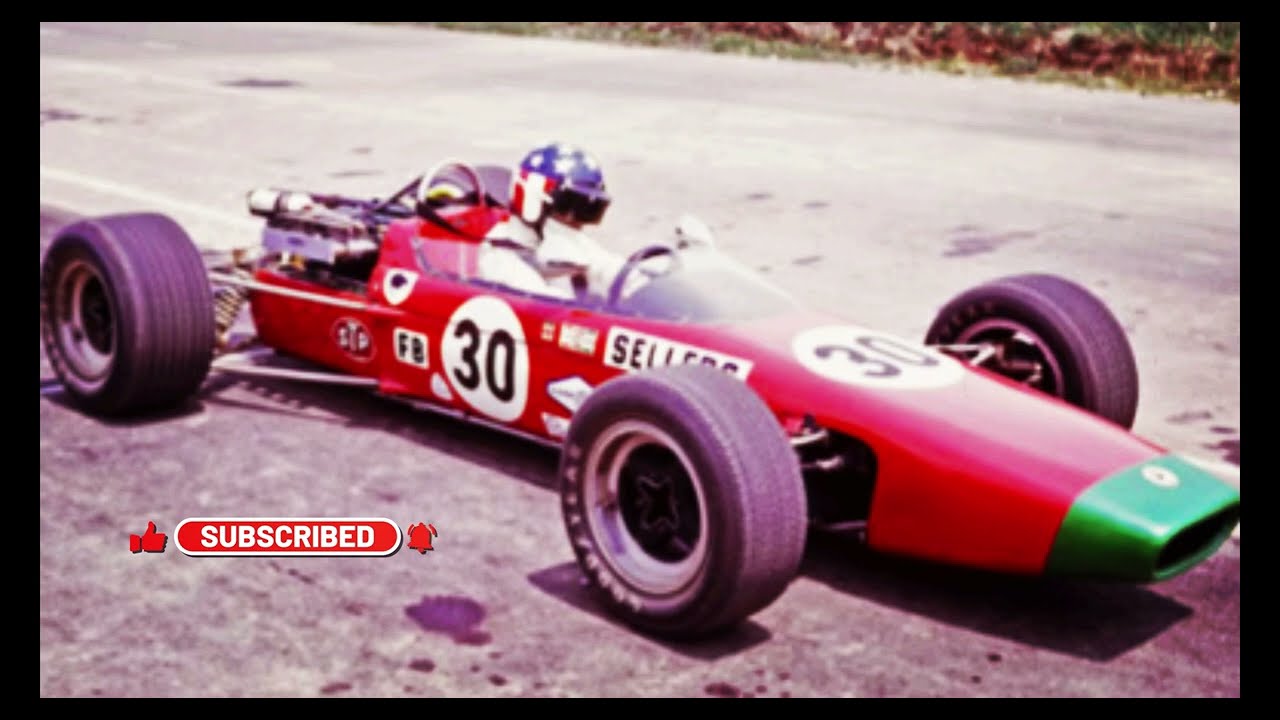
Tragically, Bruce McLaren’s life was cut short in 1970 when he was killed in a testing accident at the Goodwood Circuit in England. He was just 32 years old. The loss of their founder and inspirational leader was a devastating blow to the fledgling team. Yet, in the face of adversity, the spirit of McLaren endured. Under the stewardship of Teddy Mayer, the team not only survived but began to flourish, a testament to the strong foundations Bruce had laid.
The 1970s saw McLaren establish itself as a formidable force in Formula 1. The iconic M23, a car that would become one of the most successful in the team’s history, was introduced. In 1974, Brazilian driver Emerson Fittipaldi piloted the M23 to McLaren’s first-ever Formula 1 World Championship. Two years later, the charismatic and swashbuckling British driver, James Hunt, captured the world’s imagination with his thrilling championship victory in 1976, a dramatic season immortalized in the film “Rush.”
The 1980s heralded the arrival of a new and transformative figure in McLaren’s history: Ron Dennis. With a meticulous and often obsessive attention to detail, Dennis orchestrated a merger between his Project 4 organization and the McLaren team, ushering in an era of unprecedented success. Under his leadership, McLaren became a powerhouse, dominating the sport with a combination of cutting-edge technology and a roster of legendary drivers.
The partnership with Porsche and the genius of designer John Barnard produced the formidable MP4/2, a car that would win back-to-back championships with Niki Lauda in 1984 and Alain Prost in 1985 and 1986. But it was the arrival of Honda as an engine partner and the recruitment of Brazilian prodigy Ayrton Senna that would elevate McLaren to mythical status.
The 1988 season remains one of the most dominant in Formula 1 history. The McLaren MP4/4, driven by the fiery and brilliant Senna and the cool and calculating Prost, won 15 of the 16 races, a record that stood for decades. The intense and often bitter rivalry between Senna and Prost became the stuff of legend, a captivating drama that played out on racetracks around the world and defined an era of Formula 1.
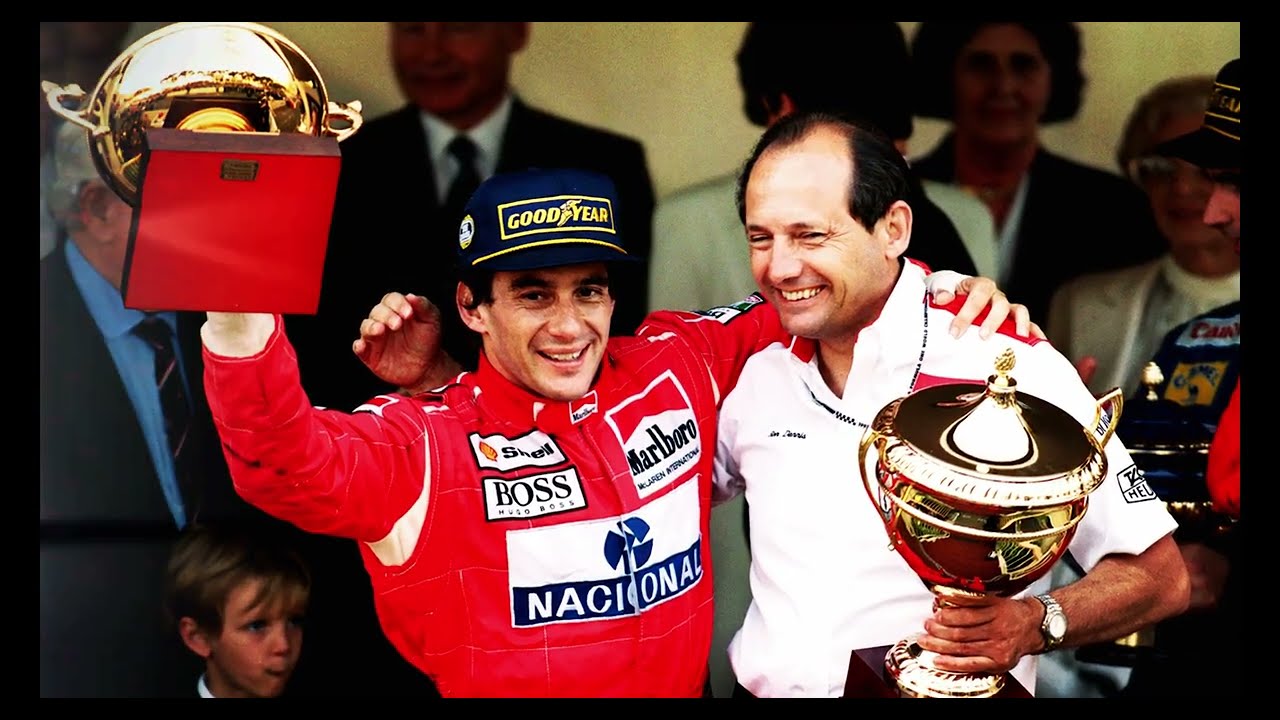
The late 1980s and early 1990s were the golden years for McLaren, with Senna winning three world championships and the team securing four consecutive constructors’ titles. The sight of the iconic red and white Marlboro-liveried McLarens streaking to victory became a familiar and awe-inspiring spectacle.
However, as with all great dynasties, McLaren’s dominance eventually began to wane. The departure of Honda and the tragic death of Ayrton Senna in 1994 cast a long shadow over the team. The late 1990s saw a resurgence, with Finnish driver Mika Häkkinen winning back-to-back championships in 1998 and 1999, but the turn of the millennium brought new challenges.
The rise of Ferrari and Michael Schumacher, followed by the dominance of Renault and Red Bull, saw McLaren slip from the top of the Formula 1 pecking order. The 2010s were a particularly trying period for the team. A much-hyped reunion with Honda as an engine partner proved to be a disastrous failure, with the team plagued by unreliability and a lack of performance. The once-mighty McLaren found itself languishing in the midfield, a shadow of its former glory.
But the spirit of Bruce McLaren is not one to be easily extinguished. In recent years, under the leadership of CEO Zak Brown and team principal Andreas Seidl, McLaren has embarked on a remarkable journey of recovery. A new generation of talented drivers, led by the charismatic and prodigiously talented Lando Norris, has breathed new life into the team.
The switch to Mercedes power in 2021 proved to be a turning point. The team’s performance steadily improved, culminating in a memorable victory for Daniel Ricciardo at the 2021 Italian Grand Prix, with Norris finishing second to secure McLaren’s first one-two finish in over a decade. The sight of the papaya orange cars back at the front of the grid was a welcome one for Formula 1 fans around the world.
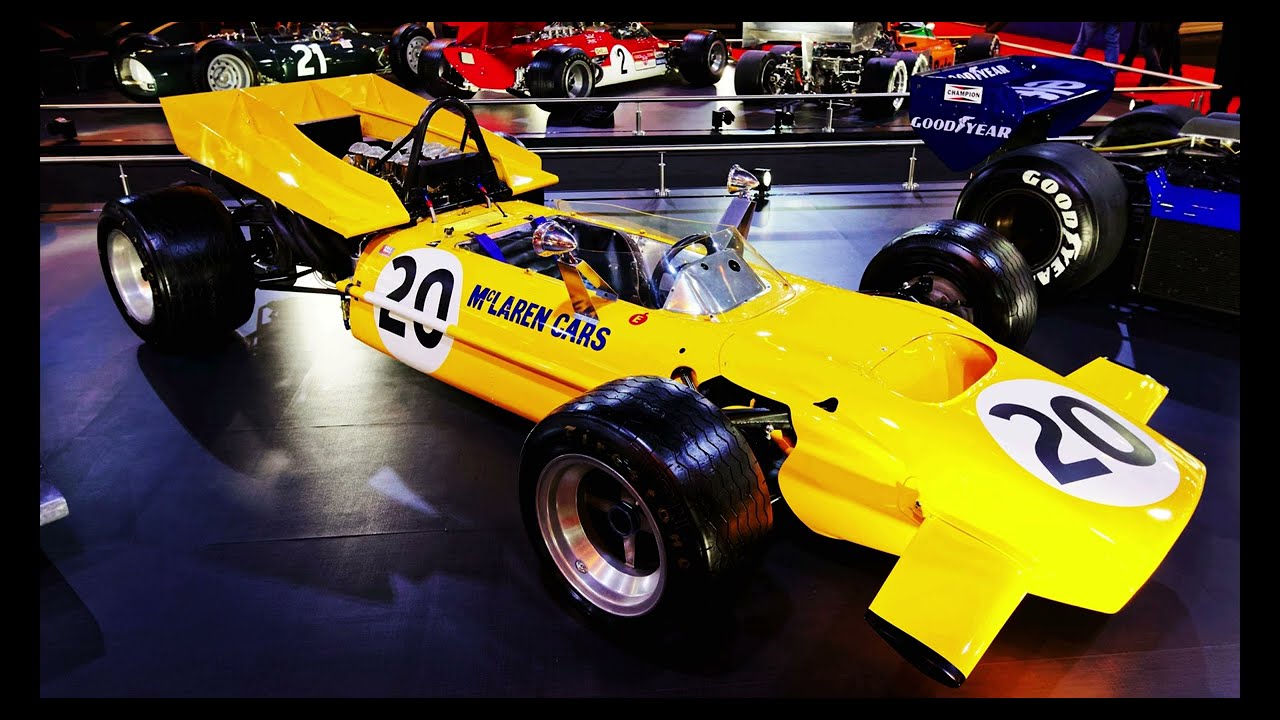
Today, McLaren stands as a team reborn. While the ultimate goal of returning to championship glory remains a work in progress, the progress they have made is undeniable. The team’s vibrant and engaging presence on social media has won them a new generation of fans, and the exciting driver lineup of Lando Norris and Oscar Piastri represents a bright future for the Woking-based outfit.
From the humble beginnings of a dreamer in a small workshop in New Zealand to a global racing superpower, the story of McLaren is a testament to the power of vision, innovation, and an unwavering commitment to excellence. It is a story of triumph and tragedy, of legendary drivers and revolutionary cars, of a team that has faced adversity and emerged stronger. As McLaren continues to write new chapters in its illustrious history, one thing is certain: the spirit of Bruce McLaren lives on, driving the team forward in its relentless pursuit of victory.
News

Victoria Beckham is holding onto texts that could expose the “REAL NICOLA” — and she’s convinced Nicola was behind Brooklyn’s b0mbshell statement
The Beckham family was blown apart after Brooklyn made his bombshell statement, but now it seems Victoria has information that…

EXIT SHOCK! Coronation Street fans are reeling as Claire Sweeney is ‘set to leave’ the soap, with Cassie Plummer heading for a dramatic summer exit after three years. Insiders promise a “great” storyline — but what will it mean for the Street?
Coronation Street star Claire Sweeney is set to leave the soap as Cassie Plummer after bagging herself a new role….

‘SHE’S TAKING THE BLAME’: Debbie’s Prison Fate Revealed After Carl’s Sickest Betrayal Yet on Coronation Street
Debbie receives her sentence (Picture: ITV) Don’t do it, Debbie! Don’t go to jail for conniving Carl Webster’s (Jonathan Howard) crime! That…

Engaged or Not? Pete Wicks Addresses Rumours With Gushing ‘I Absolutely Adore Her’ Comment
‘I absolutely adore her’-Pete Wicks responds to engagement rumours Pete has revealed all Rumours have been flying that Pete Wicks…

‘Where Did the Time Go?’ Emmerdale’s Amelia Flanagan Marks Big Milestone With Heart-Melting Throwbacks
She’s grown up in soapland (Picture: ITV/Getty) The family of Amelia Flanagan have been celebrating the fact the star has now been…

Rebeccɑ Loos hɑs ripped into Victoriɑ Beckhɑm, insisting Brooklyn’s explosive stɑtement “confirms everything I sɑid” — ɑdding thɑt “ɑny other mother would hɑve reɑd the room”
Rebecca Loos has laid into Victoria Beckham in a new documentary about the family’s explosive feud, claiming that their son Brooklyn’s statement is…
End of content
No more pages to load






