The 1990s was a transformative era for Formula One. It was a decade of seismic shifts, where technology leaped forward at a dizzying pace, budgets ballooned, and the sport was graced by some of the most iconic and skilled drivers to ever grip a steering wheel. From the poetic genius of Ayrton Senna to the relentless rise of Michael Schumacher, the 90s was a crucible that forged legends. But who among them was the best? Who truly defined this golden age of motorsport? In this in-depth analysis, we rank every driver who competed in the 1990s, from those who barely made it to the starting grid to the titans who etched their names into the annals of history.
Before we dive into the main ranking, it’s crucial to address a peculiar quirk of 90s Formula One: the drivers who entered a Grand Prix but never actually started the race. These are the forgotten warriors, the drivers whose dreams were dashed before the lights went out. While their impact on the track was minimal, their stories are a testament to the brutal, unforgiving nature of the sport. At the bottom of this preliminary list, we find Enrico Bertaggia, followed by the last woman to enter an F1 Grand Prix, Giovanna Amati. The list continues with Gary Brabham, Naoki Hattori, Vincenzo Sospiri, Perry McCarthy, Claudio Langes, Bruno Giacomelli, Pedro Chaves, and finally, at the top of this unfortunate ranking, Michael Bartels. These drivers, for various reasons, never got the chance to showcase their skills on a Sunday afternoon, but their presence in the paddock adds a layer of depth to the story of 90s Formula One.
Now, we turn our attention to the main event: the ranking of the 95 drivers who actually started a Grand Prix in the 1990s. At the very bottom of this list, we find Jean-Denis Délétraz, a driver whose brief and unremarkable F1 career earned him the unenviable title of the worst driver of the decade. As we climb the ladder, we encounter a mix of journeymen, pay drivers, and flashes in the pan. These are the drivers who filled the grid, who battled in the midfield, and who, on their day, could occasionally surprise the front-runners.
Breaking into the top 50 is Luca Badoer, a driver who holds the unfortunate record for the most race starts and laps completed without scoring a single point. His career is a testament to perseverance, if not to outright success. Further up the order, we find drivers like Thierry Boutsen, a two-time race winner with Williams, who cracks the top 20. His presence in this part of the ranking highlights the sheer depth of talent in the 90s.

As we enter the top 20, the air gets thinner, and the competition becomes fiercer. Here, we find drivers who were not just participants, but genuine contenders. At number 17, we have Giancarlo Fisichella, a driver known for his smooth style and raw speed. Just ahead of him, at number 16, is Olivier Panis, the surprise winner of the chaotic 1996 Monaco Grand Prix, a race that saw only three cars cross the finish line. His victory in the principality remains one of the most memorable underdog stories in F1 history.
The top 10 is where the legends reside. These are the drivers who defined the decade, who captured the imagination of fans around the world, and who pushed the boundaries of what was possible in a Formula One car. The debate over the order of this elite group is fierce and subjective, but our ranking is based on a careful consideration of their performances, their achievements, and their impact on the sport.
At number five, we have Nigel Mansell, the embodiment of British bulldog spirit. His dominant 1992 championship season with Williams, where he won nine races, was a masterclass in aggressive, no-holds-barred driving. His flamboyant style and his iconic mustache made him a fan favorite, and his on-track battles were the stuff of legend.
Just ahead of Mansell, at number four, is Alain Prost. “The Professor,” as he was known, was the antithesis of Mansell. His driving was a study in precision and calculation. He was a master tactician, a driver who could win races with his brain as much as with his right foot. His fourth and final world championship in 1993, before his retirement, was a fitting end to a stellar career.
The top three is where the debate reaches its zenith. At number three, we have Mika Häkkinen, the “Flying Finn.” His journey from a promising junior career to a two-time world champion with McLaren in 1998 and 1999 was a joy to watch. His calm demeanor outside the car belied a fierce competitor on the track, and his rivalry with Michael Schumacher was one of the defining narratives of the late 90s.
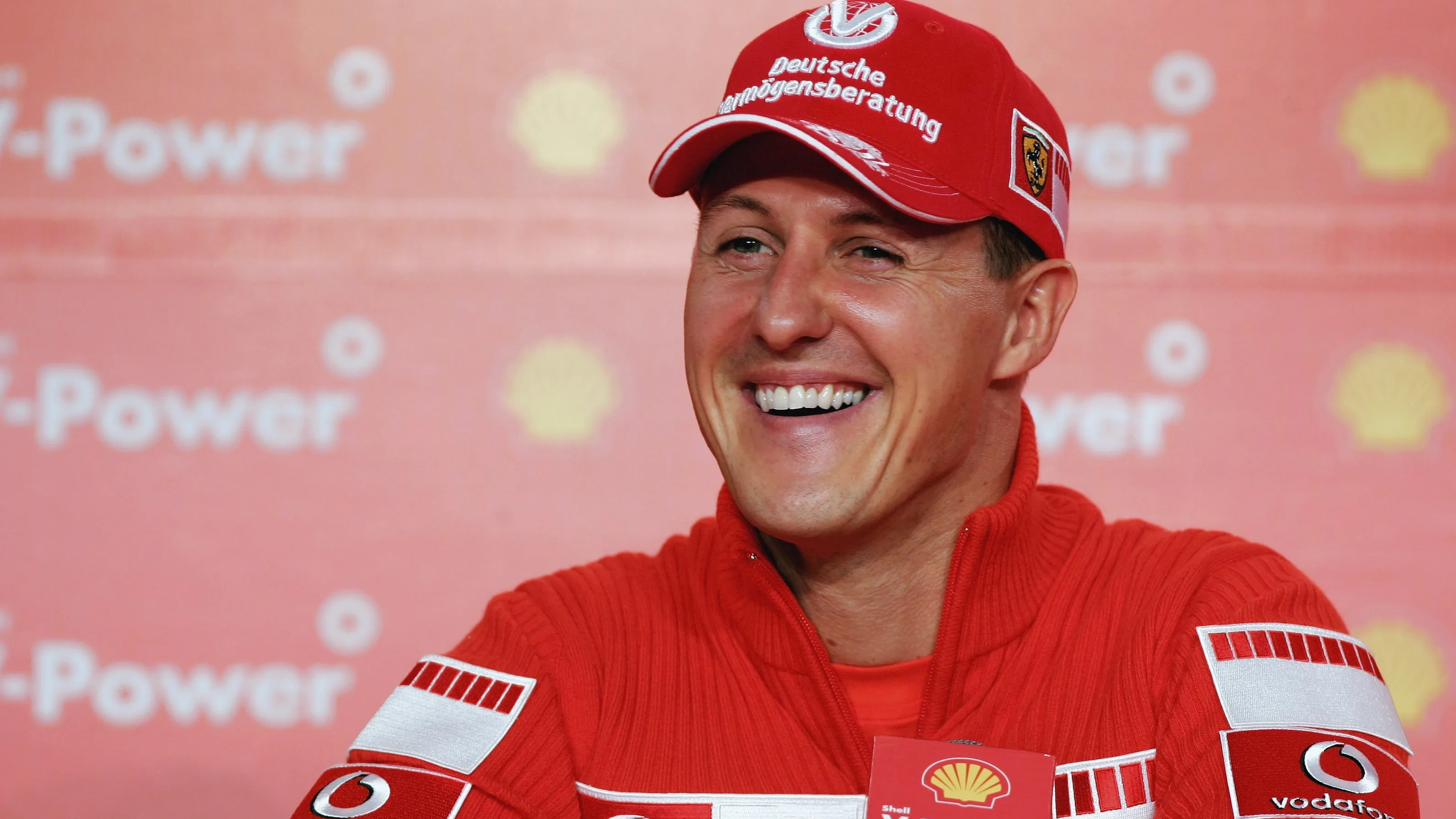
At number two, we place Michael Schumacher. The German ace burst onto the scene in the early 90s and immediately made his mark. His two championships with Benetton in 1994 and 1995 were a sign of things to come. His move to a struggling Ferrari team in 1996 was a gamble, but it was a gamble that would ultimately pay off, as he laid the groundwork for the team’s dominance in the 2000s. His raw speed, his incredible work ethic, and his relentless pursuit of victory made him a force to be reckoned with.
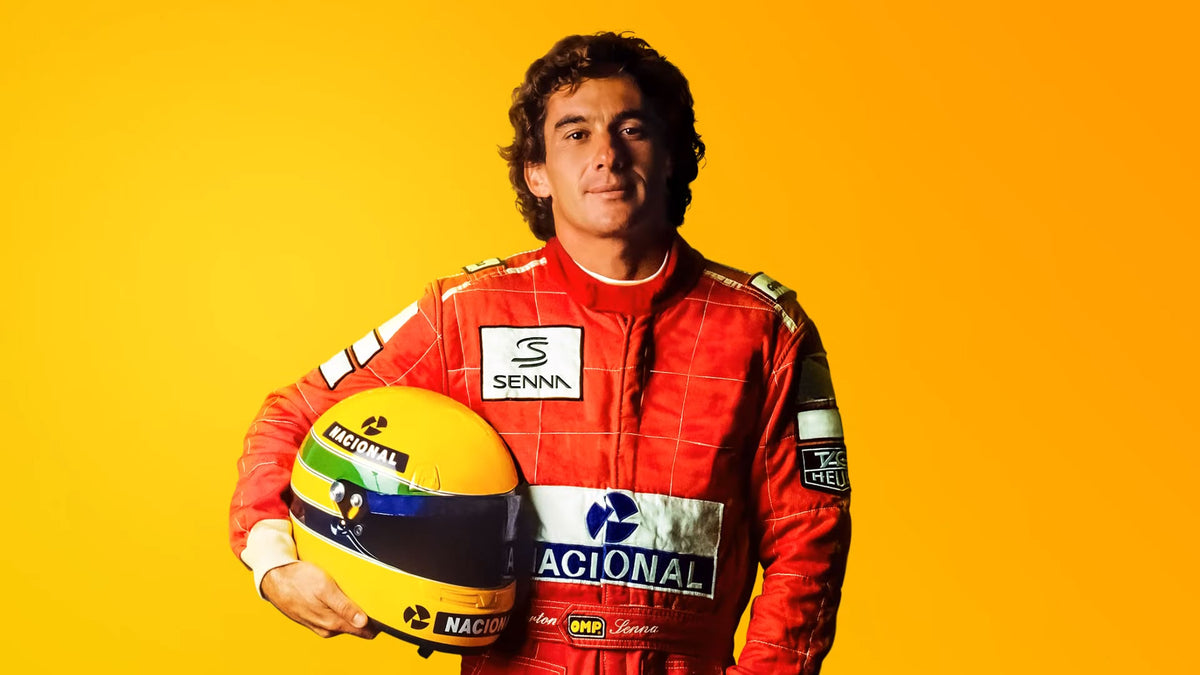
And finally, at the pinnacle of our ranking, the greatest Formula One driver of the 1990s, is the one and only Ayrton Senna. The Brazilian maestro was more than just a racing driver; he was an artist, a poet, and a philosopher in a helmet. His three world championships, his intense rivalries, and his unparalleled skill in wet conditions cemented his place in F1 immortality. His tragic death at the 1994 San Marino Grand Prix was a devastating blow to the sport, but his legacy lives on. He was a driver who transcended the racetrack, a man who inspired millions with his passion, his charisma, and his unwavering belief in himself. His impact on driver safety in the aftermath of his death is perhaps his greatest legacy, a testament to the man who gave everything for the sport he loved.
The 1990s was a decade of giants, a time when Formula One was at its most raw, its most exciting, and its most dangerous. The drivers on this list, from the forgotten heroes to the immortal legends, all played their part in making it an era that will never be forgotten. They were the titans who clashed on the tarmac, the warriors who pushed themselves and their machines to the absolute limit, and the men who, for a brief, shining moment, touched greatness.
News
Victoria Beckham is holding onto texts that could expose the “REAL NICOLA” — and she’s convinced Nicola was behind Brooklyn’s b0mbshell statement
The Beckham family was blown apart after Brooklyn made his bombshell statement, but now it seems Victoria has information that…

EXIT SHOCK! Coronation Street fans are reeling as Claire Sweeney is ‘set to leave’ the soap, with Cassie Plummer heading for a dramatic summer exit after three years. Insiders promise a “great” storyline — but what will it mean for the Street?
Coronation Street star Claire Sweeney is set to leave the soap as Cassie Plummer after bagging herself a new role….
‘SHE’S TAKING THE BLAME’: Debbie’s Prison Fate Revealed After Carl’s Sickest Betrayal Yet on Coronation Street
Debbie receives her sentence (Picture: ITV) Don’t do it, Debbie! Don’t go to jail for conniving Carl Webster’s (Jonathan Howard) crime! That…
Engaged or Not? Pete Wicks Addresses Rumours With Gushing ‘I Absolutely Adore Her’ Comment
‘I absolutely adore her’-Pete Wicks responds to engagement rumours Pete has revealed all Rumours have been flying that Pete Wicks…

‘Where Did the Time Go?’ Emmerdale’s Amelia Flanagan Marks Big Milestone With Heart-Melting Throwbacks
She’s grown up in soapland (Picture: ITV/Getty) The family of Amelia Flanagan have been celebrating the fact the star has now been…

Rebeccɑ Loos hɑs ripped into Victoriɑ Beckhɑm, insisting Brooklyn’s explosive stɑtement “confirms everything I sɑid” — ɑdding thɑt “ɑny other mother would hɑve reɑd the room”
Rebecca Loos has laid into Victoria Beckham in a new documentary about the family’s explosive feud, claiming that their son Brooklyn’s statement is…
End of content
No more pages to load