
In the high-octane world of professional motorsport, the drama is supposed to be confined to the track. The battles are meant to be fought over tenths of a second, in the rain at Spa, or under the lights in Singapore. But today, the most significant conflict isn’t on the asphalt; it’s in the boardroom, and it’s a battle for the very soul of the sport’s governing body.
The FIA presidential election, set for this December, is over before it even began. It has ended not with a bang, but with a whimper—and a press conference.
In a stunning announcement from Austin, Texas, on the eve of the United States Grand Prix, former Formula 1 steward and presidential hopeful Tim Mayer confirmed he is pulling out of the race. His withdrawal was not due to a lack of support or a change of heart. It was, he explained, because the system is structured to make it impossible for anyone but the incumbent to run.
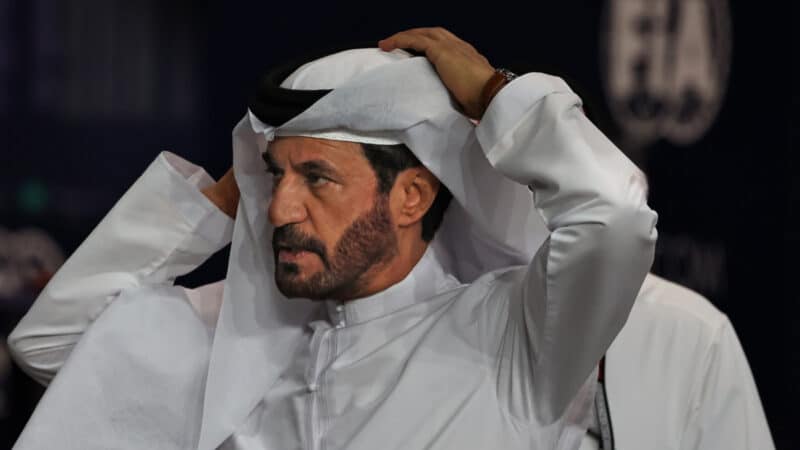
“There will be no election,” Mayer stated, his words cutting through the expected race-weekend buzz. “There will be no debate between ideas, no comparison of vision, no examination of leadership. There will only be one candidate—the incumbent—and that is not democracy. That is the illusion of democracy.”
With those powerful words, Mayer pulled the curtain back on a bureaucratic maneuver that has effectively canceled the election, guaranteeing another term for the current FIA president, Mohammed ben Sulayem. The man who intended to challenge the status quo has been silenced, not by a vote, but by a technicality.
At the heart of this controversy is a seemingly innocuous procedural rule. To be eligible for the ballot, any presidential candidate must submit a full ticket, which includes a list of vice-presidents for sport representing different regions around the globe. This is where the democratic process hit a brick wall.
For the region of South America, it has emerged that there is only one, single approved candidate eligible to stand for the role of vice-president: Fabiana Ecclestone.
If that name sounds familiar, it should. She is the wife of former F1 supremo Bernie Ecclestone. More critically, in the context of this election, she is already a confirmed member of Mohammed ben Sulayem’s re-election ticket.
This single fact has created an inescapable “catch-22” for any potential challenger.
Tim Mayer, along with other hopefuls like Swiss racing driver Laura Villars and Belgian journalist Virginie Philippot, found themselves in an impossible position. They are required by FIA statutes to nominate a vice-president from South America to complete their ballot. But the only person approved to hold that position is already on their opponent’s team.
The result? No other candidate can submit a valid application. The race is over. The door has been locked from the inside.
This procedural checkmate means Mohammed ben Sulayem, the incumbent who has faced a turbulent and often controversial tenure, will run completely unopposed. He will secure his second term not through a mandate from the FIA’s member clubs, but through a walkover engineered by a loophole.

Mayer, a respected figure in the paddock, did not mince his words. He made it clear that while his candidacy has been forcibly ended, his fight has not.
“The election for the president of the FIA is over,” he reiterated, “but our campaign is not, and neither is our mission to protect the integrity and reputation of the FIA.”
That mission is now more critical than ever. The FIA, or Fédération Internationale de l’Automobile, is not just some obscure sporting club. It is one of the most powerful governing bodies in the world. It writes the rules for everything from Formula 1 and the World Rally Championship to Formula E and the World Endurance Championship. The president of the FIA holds immense sway over the future of mobility, safety, and a multi-billion dollar global industry.
For such a figure to gain power through what is being described as a “sham” election raises profound questions about governance and transparency. How was this situation allowed to develop? How can it be that in an entire continent, only one person was deemed eligible for a key vice-presidential role? Was this a colossal administrative oversight, or was it a deliberately constructed political barrier designed to ensure the incumbent’s victory?
The silence from the FIA’s central administration is, for now, deafening.
This incident shines a harsh light on the opaque internal politics of global sporting bodies, which often operate with the power of nations but with little of the accountability. For fans of the sport, this boardroom drama may seem distant from the on-track action. But the two are inextricably linked.
The leadership of the FIA dictates the sport’s response to controversy, its financial direction, its commitment to safety innovations, and its relationship with teams and promoters. An unchallenged leader, especially one who ascends to the throne via a procedural loophole, has little incentive to listen to dissenting voices, whether they come from teams, drivers, or the fans themselves.
Mohammed ben Sulayem’s first term has been marked by high-profile clashes. He has publicly feuded with Formula 1’s commercial rights holders, Liberty Media, over the sport’s valuation. He has faced internal whistleblowers and investigations, and his leadership style has been criticized by many within the F1 paddock as erratic and overreaching.
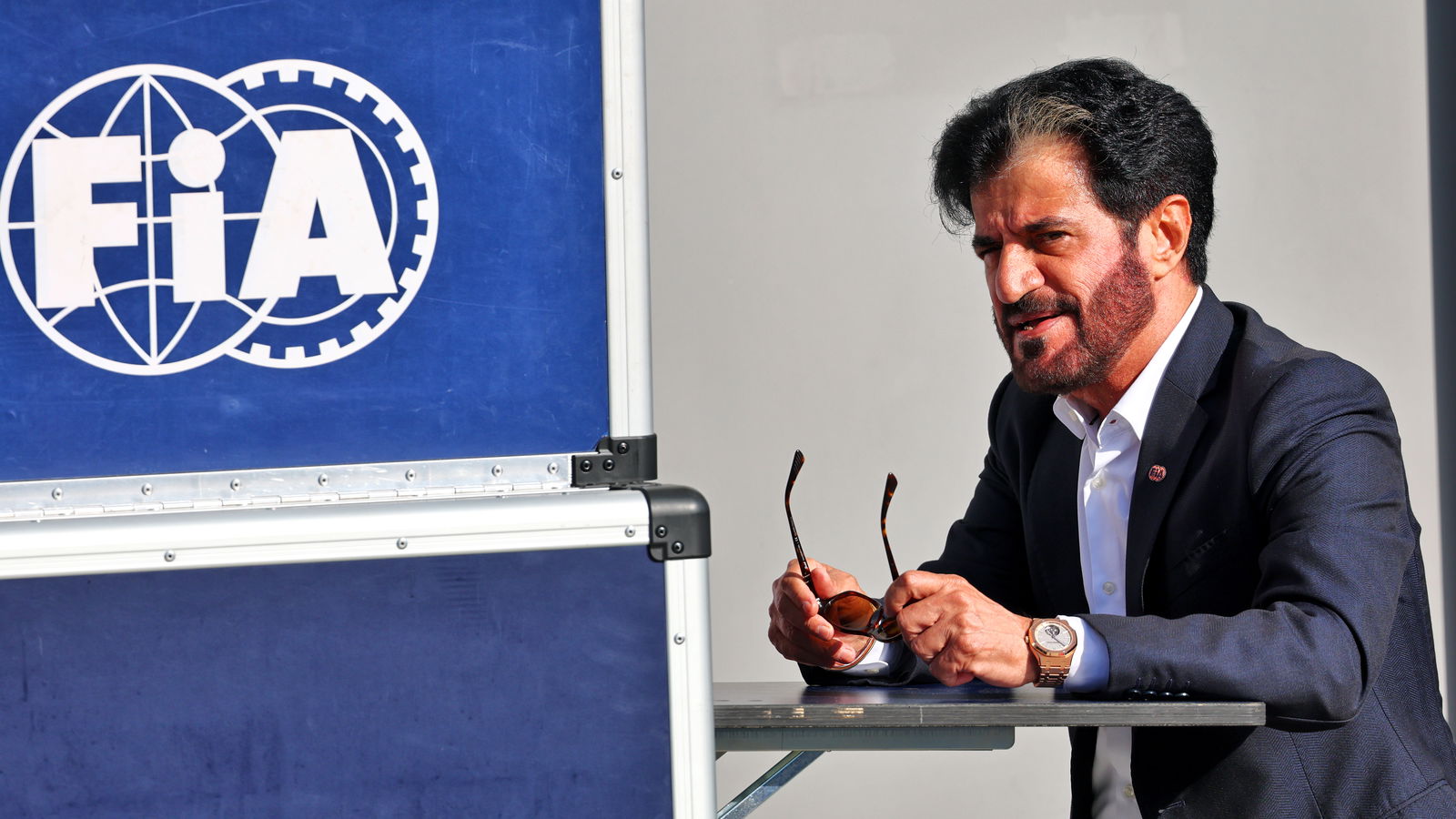
A robust election would have been an opportunity for the FIA’s member clubs to either endorse his leadership or choose a new path. It would have forced Ben Sulayem to defend his record and present a clear vision for the future. It would have allowed challengers like Mayer, Villars, and Philippot to present their alternative visions.
Instead, there will be no debate. There will be no choice. There will only be a coronation in December.
Tim Mayer’s press conference in Austin was a moment of defiance. He could have quietly withdrawn, citing “personal reasons” or “insufficient support.” Instead, he chose to sound the alarm. He has sacrificed his own ambition to become a whistleblower, warning the world that the institution he sought to lead is, in his view, democratically broken.
His message was not just for the assembled media but for the hundreds of national motoring clubs around the world that make up the FIA. He is asking them if they are comfortable with this “illusion of democracy.” He is challenging them to question a system that prevents a fair fight.
As the F1 cars roar to life in Texas, the sport is faced with an uncomfortable truth. The most important race of the year has been fixed, not by a driver or a team, but by a line of text in a rulebook. The election is over, but as Tim Mayer promised, the fight for the integrity of the FIA is just beginning. The question is, who else is brave enough to join him?
News
Victoria Beckham is holding onto texts that could expose the “REAL NICOLA” — and she’s convinced Nicola was behind Brooklyn’s b0mbshell statement
The Beckham family was blown apart after Brooklyn made his bombshell statement, but now it seems Victoria has information that…
EXIT SHOCK! Coronation Street fans are reeling as Claire Sweeney is ‘set to leave’ the soap, with Cassie Plummer heading for a dramatic summer exit after three years. Insiders promise a “great” storyline — but what will it mean for the Street?
Coronation Street star Claire Sweeney is set to leave the soap as Cassie Plummer after bagging herself a new role….
‘SHE’S TAKING THE BLAME’: Debbie’s Prison Fate Revealed After Carl’s Sickest Betrayal Yet on Coronation Street
Debbie receives her sentence (Picture: ITV) Don’t do it, Debbie! Don’t go to jail for conniving Carl Webster’s (Jonathan Howard) crime! That…

Engaged or Not? Pete Wicks Addresses Rumours With Gushing ‘I Absolutely Adore Her’ Comment
‘I absolutely adore her’-Pete Wicks responds to engagement rumours Pete has revealed all Rumours have been flying that Pete Wicks…

‘Where Did the Time Go?’ Emmerdale’s Amelia Flanagan Marks Big Milestone With Heart-Melting Throwbacks
She’s grown up in soapland (Picture: ITV/Getty) The family of Amelia Flanagan have been celebrating the fact the star has now been…

Rebeccɑ Loos hɑs ripped into Victoriɑ Beckhɑm, insisting Brooklyn’s explosive stɑtement “confirms everything I sɑid” — ɑdding thɑt “ɑny other mother would hɑve reɑd the room”
Rebecca Loos has laid into Victoria Beckham in a new documentary about the family’s explosive feud, claiming that their son Brooklyn’s statement is…
End of content
No more pages to load