
Formula 1 is a glittering spectacle of precision, speed, and staggering wealth. It’s sold as the pinnacle of motorsport, a temple where engineering gods and gladiator-drivers push the very limits of possibility. But beneath the champagne-soaked podiums and carbon-fiber perfection lies a much darker, more violent truth. Perfection is fleeting. What the world truly remembers are the moments when it all shatters.
We remember when legends chose violence, when rivalries curdled from sporting contests into toxic, personal vendettas. We remember the collisions that split fanbases, rewrote rulebooks, and left a permanent stain on the sport’s legacy. These are the moments that force us to ask a chilling question as we watch the shrapnel fly: Was that a racing incident, or was it an assassination at 200 miles per hour?
This sport is built on a razor’s edge, but sometimes, a driver isn’t just trying to win—they’re trying to eliminate.
The Miracles of Steel and Fire
Before we can understand the darkness, we must appreciate the light. The single greatest testament to modern F1 is that drivers now walk away from impacts that would have been a death sentence just two decades ago.
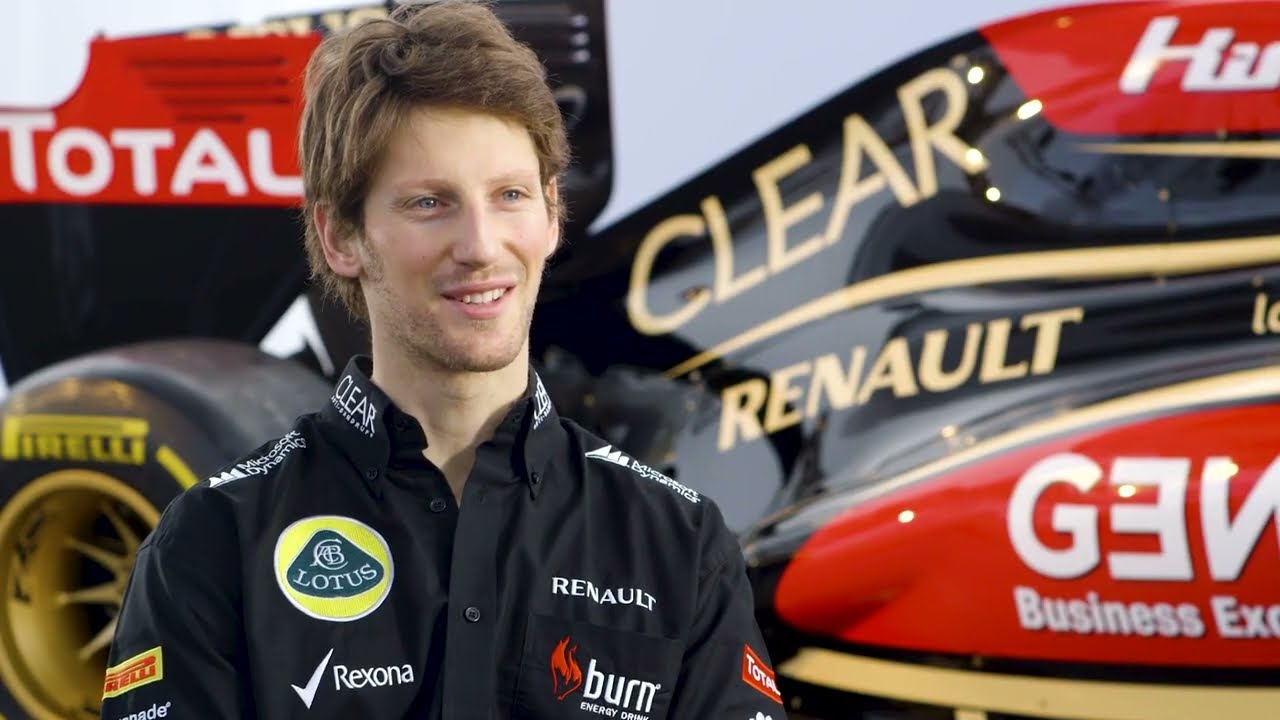
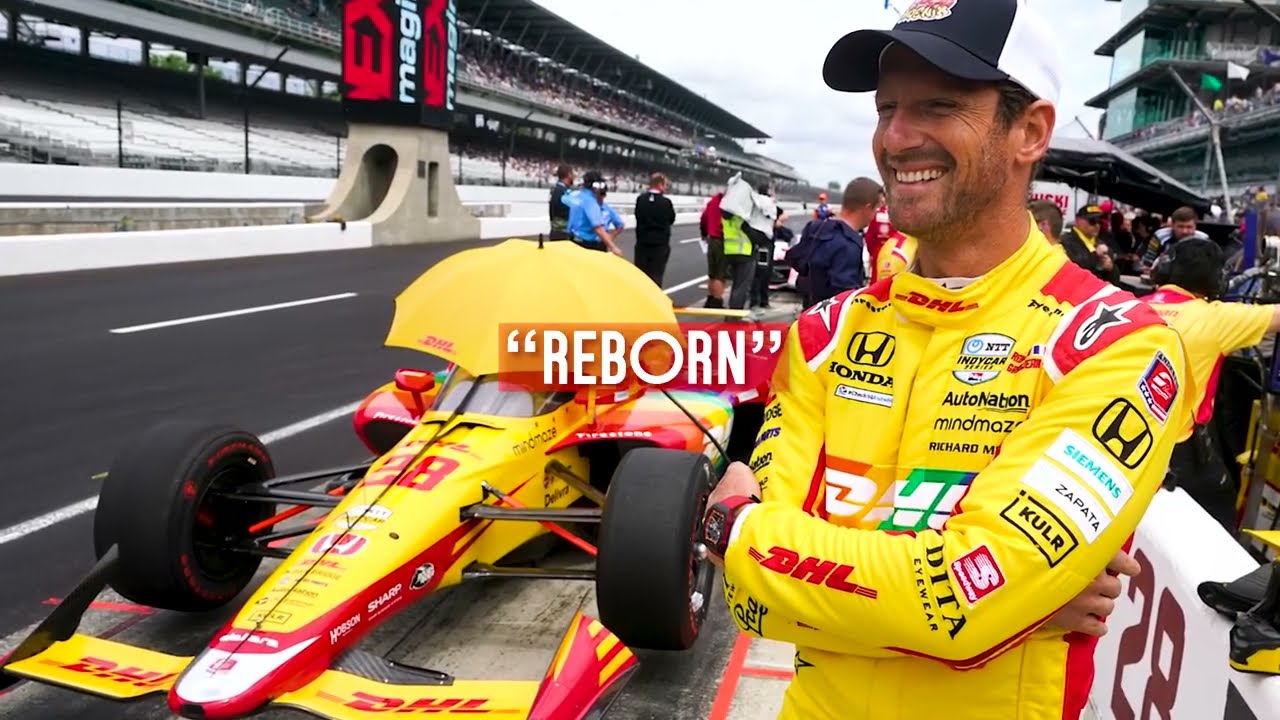
Look no further than Bahrain 2020. On the very first lap, Romain Grosjean’s car clipped another and speared into the steel barrier at 119 mph. The impact, measuring 67g, was so colossal it split the car in two. The front half, with Grosjean trapped inside, penetrated the barrier, which instantly ruptured the fuel tank. The resulting fireball engulfed the cockpit, and for what felt like an eternity, the world watched, believing they were witnessing a man die live on television.
Then, a figure emerged from the flames. Grosjean, the “phoenix,” walked out of the inferno with no broken bones and no internal injuries—only second-degree burns to his hands and ankles. He was saved by the “Halo,” a titanium cockpit shield that had deflected the full force of the steel barrier from his head. In a twist of dark irony, the Halo was a device mandated after crashes just like the one he had caused years earlier.
This miracle was built on the back of unthinkable tragedy. The Halo exists because of Jules Bianchi, who, in 2014, died after striking a recovery vehicle in the rain-soaked Japanese Grand Prix. And it exists because of survivors like Robert Kubica. In Montreal in 2007, Kubica’s car was obliterated in a 75g impact that turned his BMW into “carbon fiber confetti.” Miraculously, he walked away with only a sprained ankle and a mild concussion. A year later, on the same track that nearly claimed him, he won his first Grand Prix.
These incidents, along with Mark Webber’s terrifying 360-degree backflip in Valencia in 2010, prove that F1 cars are now astonishingly safe. But this safety has, perhaps, lowered the stakes in a way that emboldens the sport’s darkest impulses.
The Unpayable Price of Glory
Not all tragedies are measured in fire and twisted metal. Some are measured in what could have been.
Ask Felipe Massa. In 2009, he was a man on a mission of redemption. Just nine months earlier, he had lost the 2008 world championship to Lewis Hamilton by a single point on the final lap of the final race. He was hungry, he was fast, and he was at the peak of his powers. During qualifying in Hungary, he was flat-out at 162 mph when a tiny, 800-gram suspension spring fell from Rubens Barrichello’s car ahead.
The spring bounced once and struck Massa directly in the helmet, just above his left eye. The force penetrated the visor, fracturing his skull and causing severe brain swelling. He was knocked unconscious instantly, his foot still planted on the accelerator as his Ferrari slammed head-on into the tire barrier. Massa survived, but the driver who returned to the cockpit was not the same man. The fearless racer was gone, replaced by a more cautious, hesitant version. He never won another Grand Prix in his remaining eight seasons. An 800-gram piece of metal had ended the champion he was meant to be.
Then there is the price of simple recklessness. Romain Grosjean, before his redemption-by-fire, was known by a different name: the “first-lap nutcase.” At Spa in 2012, his aggressive start from the middle of the pack saw him swerve violently across the track, clipping Lewis Hamilton. The contact launched Grosjean’s Lotus airborne, flying over the top of Fernando Alonso’s Ferrari, missing the Spaniard’s head by mere centimeters. In a flash, Grosjean had single-handedly eliminated three championship contenders, earning himself a rare one-race ban.
But the ultimate story of will belongs to Niki Lauda. At the Nürburgring in 1976—a track he had already declared too dangerous to race—his Ferrari’s suspension failed. The car burst into flames, and he was trapped in the 800-degree inferno for a terrifying length of time. Fellow drivers pulled him from the wreckage, but the damage was done. His lungs were seared by toxic fumes, his body ravaged by third-degree burns. A priest administered his last rites in the hospital.
In an act that defies human comprehension, Lauda returned to his cockpit remarkably quickly. Still in blinding pain, his face wrapped in bloody bandages, he finished fourth at the Italian Grand Prix. He would go on to win two more world championships, a living testament to a spirit simply too stubborn to die.
When Racing Becomes Revenge
Survival and tragedy are part of the pact drivers make with the sport. Deliberate elimination is not. This is the line between racing and assassination, and it has been crossed more than once.
In 2021, the gloves were off between Lewis Hamilton and Max Verstappen. Their title fight was toxic, personal, and boiling over. At Hamilton’s home race in Silverstone, Verstappen led. On the very first lap, Hamilton dove down the inside of Copse, one of the fastest corners on the calendar. They touched. Verstappen’s Red Bull was sent flying into the barriers at 180 mph, a bone-jarring 51g impact.
As Verstappen was airlifted to the hospital for precautionary checks, Hamilton received a 10-second penalty, which he easily overcame to win the race, celebrating wildly in front of his home crowd. Red Bull team boss Christian Horner called it an “amateur” move and a “hollow victory.” Mercedes blamed Verstappen’s defending. The fanbase was irrevocably split. Was it a failed overtake or a cynical, professional foul to remove a rival?
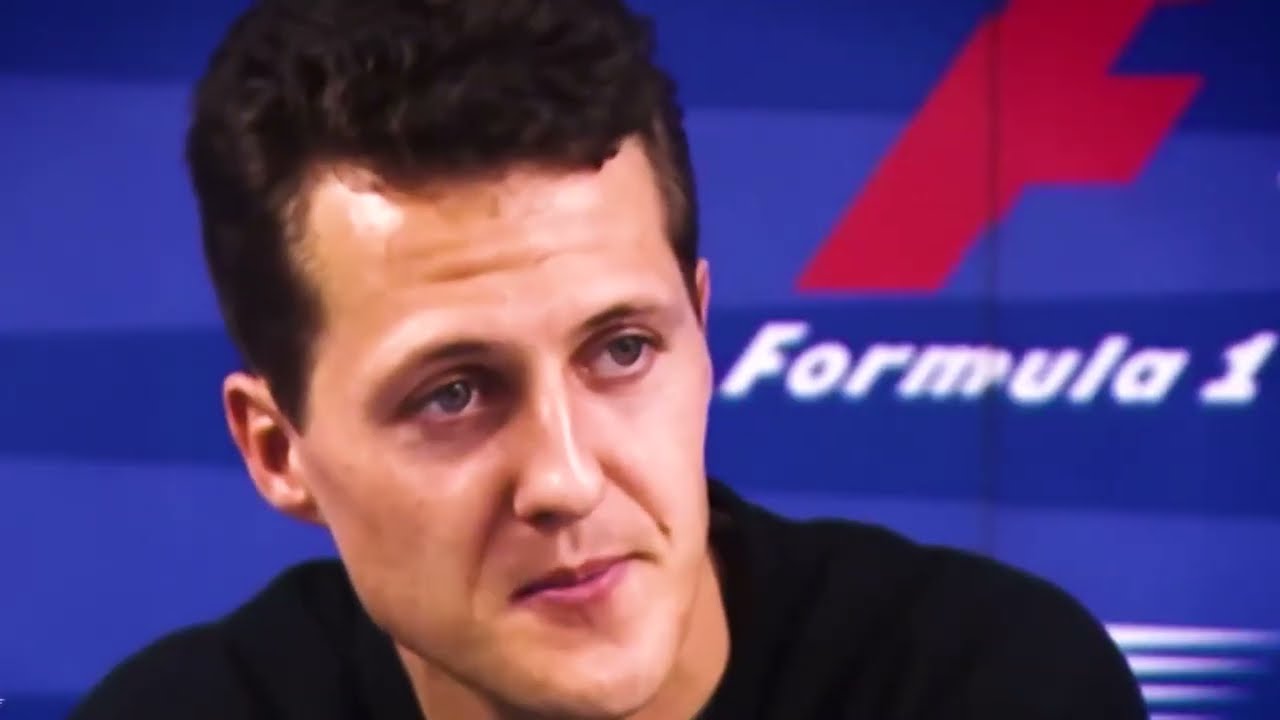
To find the archetype for this cynicism, you must go to Jerez, 1997. The championship decider. Michael Schumacher led Jacques Villeneuve by a single point. Villeneuve, in a faster car, dove down the inside to take the lead. Schumacher, seeing his title slip away, did the unthinkable: he deliberately turned his Ferrari right, ramming Villeneuve’s side pod in a blatant attempt to take him out.
The move backfired spectacularly. Schumacher’s car was crippled, veering into the gravel trap, his race over. Villeneuve’s battered Williams, however, kept going. He limped home to a third-place finish and became world champion. The FIA’s verdict was unprecedented. Schumacher was disqualified from the entire 1997 season, his name and second-place finish erased from the record books as if he had never competed. The German press called it “Shumi’s Shame.”
But even Schumacher’s act pales in comparison to the coldest, most premeditated “assassination” in F1 history. Suzuka, 1990. This was the climax of the most bitter rivalry the sport has ever known: Ayrton Senna versus Alain Prost.
A year earlier, Senna had been disqualified from the same race, controversially handing the 1989 title to his teammate, Prost. Senna, convinced of a political conspiracy, vowed revenge. Now, in 1990, Senna led the championship. He took pole position, but the FIA refused his request to move pole to the “clean” side of the track. Senna was furious. He made a vow: if Prost, starting second on the clean side, got ahead into turn one, Senna would not back down. “He better not turn in,” Senna said, “because he’s not going to make it.”
Prost got the better start. As they rocketed toward the first corner at 170 mph, Prost was ahead and began to turn. Senna never lifted. He aimed his McLaren directly at the Ferrari, slamming into Prost and sending both cars spinning into the gravel trap. Both were out. And Ayrton Senna was the new world champion.
Prost was disgusted. “He is a man without value,” he fumed. It was an act of pure, calculated elimination to win a title. A year later, Senna admitted it was deliberate.
This is the legacy of Formula 1. It is a sport of breathtaking heroes, unbelievable courage, and engineering genius. But it is also a sport of flawed men, blinding ambition, and moments of shocking cynicism. The tragedies of men like Jules Bianchi gave the sport the safety innovations that allowed men like Romain Grosjean to live. And the dark acts of legends like Senna and Schumacher remind us that in the pursuit of glory, the line between sport and war is sometimes measured in milliseconds, and it is all too easily crossed.
News

Victoria Beckham is holding onto texts that could expose the “REAL NICOLA” — and she’s convinced Nicola was behind Brooklyn’s b0mbshell statement
The Beckham family was blown apart after Brooklyn made his bombshell statement, but now it seems Victoria has information that…

EXIT SHOCK! Coronation Street fans are reeling as Claire Sweeney is ‘set to leave’ the soap, with Cassie Plummer heading for a dramatic summer exit after three years. Insiders promise a “great” storyline — but what will it mean for the Street?
Coronation Street star Claire Sweeney is set to leave the soap as Cassie Plummer after bagging herself a new role….

‘SHE’S TAKING THE BLAME’: Debbie’s Prison Fate Revealed After Carl’s Sickest Betrayal Yet on Coronation Street
Debbie receives her sentence (Picture: ITV) Don’t do it, Debbie! Don’t go to jail for conniving Carl Webster’s (Jonathan Howard) crime! That…

Engaged or Not? Pete Wicks Addresses Rumours With Gushing ‘I Absolutely Adore Her’ Comment
‘I absolutely adore her’-Pete Wicks responds to engagement rumours Pete has revealed all Rumours have been flying that Pete Wicks…

‘Where Did the Time Go?’ Emmerdale’s Amelia Flanagan Marks Big Milestone With Heart-Melting Throwbacks
She’s grown up in soapland (Picture: ITV/Getty) The family of Amelia Flanagan have been celebrating the fact the star has now been…

Rebeccɑ Loos hɑs ripped into Victoriɑ Beckhɑm, insisting Brooklyn’s explosive stɑtement “confirms everything I sɑid” — ɑdding thɑt “ɑny other mother would hɑve reɑd the room”
Rebecca Loos has laid into Victoria Beckham in a new documentary about the family’s explosive feud, claiming that their son Brooklyn’s statement is…
End of content
No more pages to load