
The 2025 Formula 1 World Championship, just days ago, felt like a foregone conclusion. The conversation had shifted from if Oscar Piastri would win the title to when he would claim it. The young Australian had executed a surgical, dominant, and relentlessly reliable season, building an almost unassailable 31-point lead over his teammate, Lando Norris. McLaren, too, stood on the precipice of glory, arriving in Azerbaijan with the literal prospect of clinching the Constructors’ Championship, champagne bottles chilled and waiting.
Then, Baku happened.
What unfolded on the unforgiving, narrow streets of the Baku City Circuit wasn’t just a bad race; it was a psychological and competitive implosion—a full-scale meltdown that did more than merely shift the championship; it detonated it. In the span of a single weekend, Piastri crashed twice, suffered his first retirement since 2023, watched his substantial lead evaporate, and, most critically, shattered the illusion of his own invincibility. Suddenly, Max Verstappen, the man everyone had written off, was back in the hunt, and the 2025 title fight was reborn in a crucible of chaos and high-stakes drama.
This is the insane, brutal story of how one nightmarish weekend flipped the script, demonstrating once again that in the high-octane world of F1, your greatest opponent is often the pressure inside your own helmet.
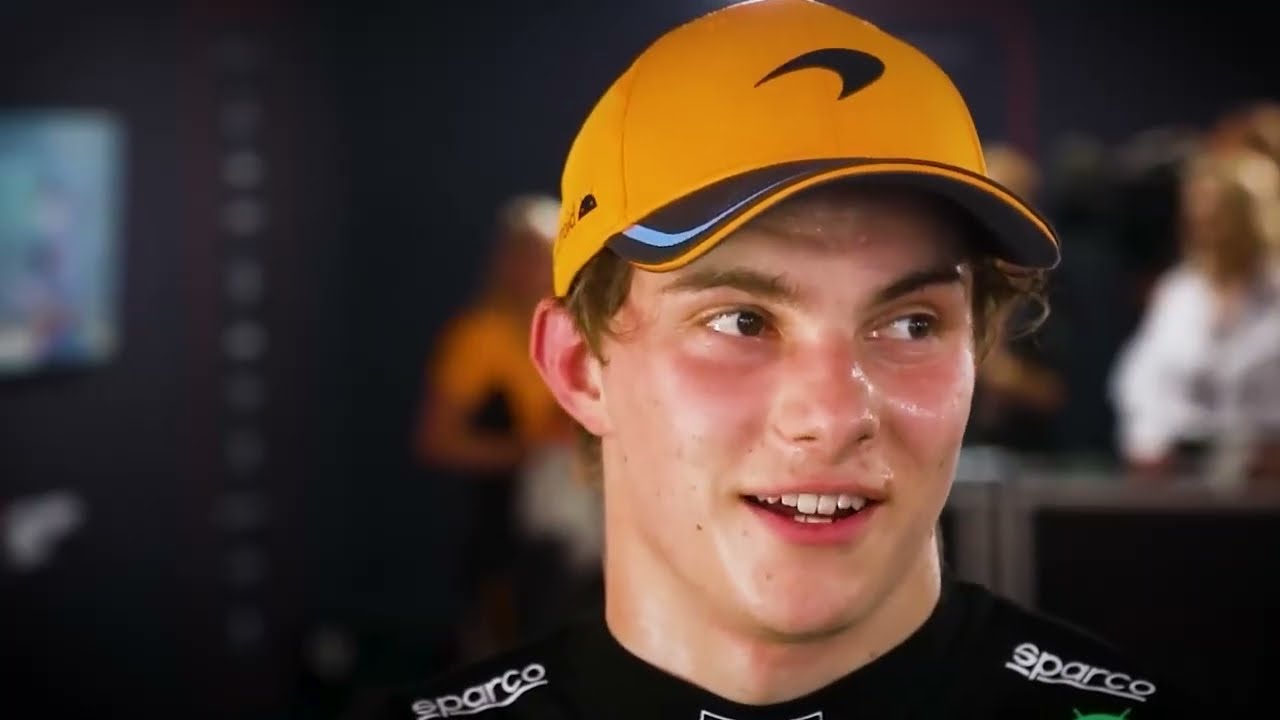
The Unassailable Fortress: Piastri’s Pre-Baku Dominance
To fully grasp the magnitude of the Baku disaster, one must first appreciate the fortress of consistency Piastri had built. He rolled into Azerbaijan with 324 points, a 31-point advantage over Norris, and a staggering 94-point cushion over Verstappen in third. While his McLaren counterpart, Norris, was often generating headlines with flashes of inconsistent brilliance, Piastri was the silent assassin, banking points with the cool, calculating precision of a championship veteran.
The narrative in the paddock was absolute: Piastri was Mr. Reliable. His record was unblemished; he hadn’t retired from a single race since the 2023 United States Grand Prix. While rivals were tossing away points with costly errors, the Australian was performing with a maturity far beyond his years. The consensus was firm: this was shaping up to be one of the most dominant seasons since the early days of the hybrid era, and his competitors were effectively playing for second place.
The stakes for McLaren were equally stratospheric. With 617 points in the Constructors’ Championship, they commanded a massive 357-point lead over Mercedes. The Constructors’ title felt like a mere formality, a formality they were fully prepared to complete in Baku. The celebratory champagne was on ice.
Then the weekend began, and everything turned to dust.
The Saturday Crack: When Overdriving Met the Wall
Saturday’s qualifying session in Baku was not a test of pace; it was a brutal lottery of survival. The session was pure F1 anarchy, punctuated by an almost unprecedented six red flags. Rookie mistakes and veteran errors alike littered the treacherous street circuit—Colapinto, Bearman, Albon, and Hülkenberg all found the wall as the stop-start nature denied everyone a rhythm. Even the top drivers struggled, with Norris glancing the wall and Leclerc creating chaos. As light rain began to fall, making the surface even more perilous, the stage was set for the defining moment.
In Q3, Piastri was running well, comfortable and on pace. But this was the moment the pressure, unseen and internal, finally manifested. Approaching the technical Turn 3, Piastri pushed the limit just a fraction too far. He braked a millisecond too late, and the front tires instantly locked solid, killing the steering. One moment he was attacking the corner for pole; the next, he was a passenger, sliding helplessly toward the barriers at devastating speed.
The impact was sickening. Carbon fiber exploded across the circuit, forcing the sixth and final stoppage of the day. The image of Piastri, the composed, calculated champion-elect, climbing out of his destroyed McLaren with his head in his hands, was the picture of a man who knew the immediate damage, but perhaps not the full, crushing psychological cost. From potential pole-sitter, he was buried in the midfield, starting the race P9—a disastrous position that placed him squarely in the ‘danger zone’ for the opening laps.

The Sunday Catastrophe: A Cascade of Errors
Incredibly, it got worse. Sunday morning offered a chance for redemption, a dry track, and an opportunity for Piastri to channel his inner champion and fight back from P9. It was not to be.
The lights went out, and the nightmare began immediately. Piastri twitched, reacting a fraction of a second before the start signal, earning himself a devastating five-second time penalty. But the final, fatal blow came moments later when the anti-stall system kicked in. Designed to be a life-saver, the system became Piastri’s executioner. It engaged, the McLaren bogged down hard, and the championship leader was instantly dropped to P20—dead last. Watching 19 cars disappear ahead of him, crawling away from the line “like a wounded animal,” was a staggering image of humiliation and failure.
But the pressure of desperation proved too immense. Trying to claw back ground, pushing too hard to recover from the disastrous start, Piastri met his fate early. On Lap 1, Turn 5, he crashed again. Another barrier, another destroyed McLaren, and this time, there was no continuation. Oscar Piastri’s race was over before it began, his first retirement of the season.
In one dramatic weekend, the man who was untouchable had crashed twice and handed his rivals a lifeline they could only have dreamed of. His 31-point championship lead was brutally slashed to just 25 points over Norris. The fortress had fallen.
McLaren’s Missed Opportunity and the Verstappen Resurgence
The true measure of the weekend’s disaster was the collective failure that followed. With Piastri out, all eyes turned to Lando Norris. This was his golden opportunity: his teammate had gifted him the perfect chance to close the championship gap, perhaps even seize the lead. All he had to do was capitalize.
He didn’t. Norris could only manage a meager seventh place in a car that should have been fighting for the podium. A slow, costly 4.1-second pit stop lost him crucial track position, and what should have been a damage limitation exercise for McLaren became a complete catastrophe. Norris salvaged just six points on his stricken teammate, nowhere near the total needed to truly punish Piastri’s errors or take the championship lead. The champagne remained on ice; the Constructors’ celebrations were postponed. McLaren had delivered their worst performance of the season at the exact moment they needed their best.
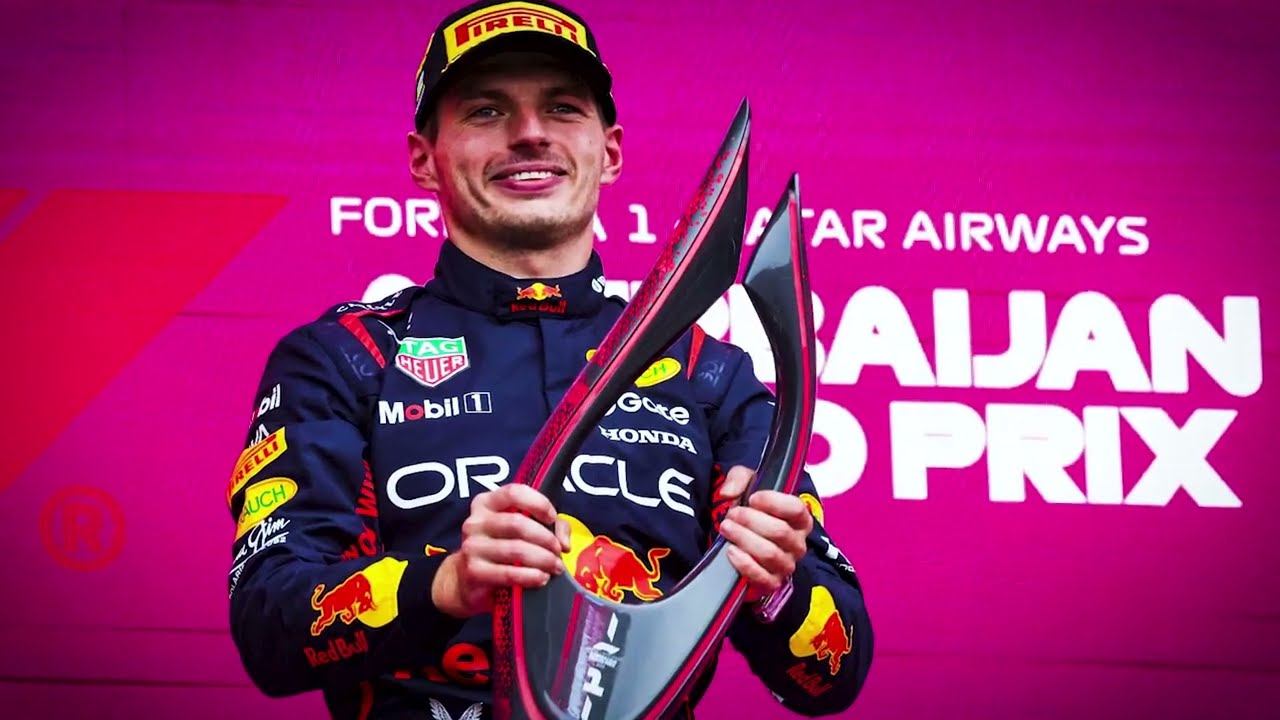
While McLaren was busy imploding, Max Verstappen was doing what he does best: winning when it matters most. The Dutchman converted pole position into a dominant victory, leading all 51 laps to secure his sixth career Grand Chelem. This was a powerful, timely reminder that Red Bull’s perceived decline had been greatly exaggerated.
The championship math suddenly shifted dramatically. Verstappen’s gap to Piastri shrunk from 94 points to a far more realistic 69 points. With seven races remaining and 175 points still available, what looked impossible now looks like a genuine, high-stakes possibility. While McLaren was cracking under the weight of expectation, Red Bull was getting stronger, finding form exactly when the championship leader lost his composure. The psychological impact is enormous: Piastri is now vulnerable, and the champion is back in the psychological fight, not by doing anything special, but simply by being there when his rival self-destructed.
The Anatomy of Pressure: Separating Good from Great
What caused the dramatic collapse of a driver who had been so cool and composed all season? The answer is as old as sport itself: Pressure.
Piastri came into Baku knowing a good weekend could effectively seal the title for both himself and his team. That immense weight, which he had successfully shouldered all season, finally became too heavy. In qualifying, it manifested as overdriving—pushing just a little too hard at Turn 3, trying to extract that extra tenth of a second that would grant him pole. Instead, he found the barriers.
On race day, that pressure morphed into desperation. Starting P9 with an immediate penalty, knowing his rivals were ahead, Piastri was trying to achieve the impossible too quickly. The false start, the anti-stall engagement, the final crash—it was a devastating cascade of compounding errors from a driver trying to do too much, too fast.
This is the ultimate lesson of Baku, and it’s what separates the good drivers from the great ones. The great ones, the true champions, thrive under this kind of pressure. They elevate their performance when the stakes are highest. Piastri, for all his remarkable talent, showed he is still learning how to manage the suffocating grip of championship expectation. He learned the hard way that in Formula 1, it is not just about who is fastest over a season, but who makes the fewest mistakes when the title is on the line.
The Championship Reborn
The current standings confirm the staggering shift: Oscar Piastri still leads with 324 points, but Lando Norris is breathing down his neck with 299. That 25-point margin is all that separates first from second. Furthermore, Max Verstappen’s presence looms large. With seven races remaining and the momentum having entirely stalled for the championship leader, this title fight has become infinitely more interesting.
Baku perfectly illustrated the sport’s brutal, unforgiving nature. One moment, a driver is cruising toward glory; the next, he is picking carbon fiber out of his teeth. Piastri’s aura of invincibility is gone. Norris is close enough to strike, and the reigning champion is back in the hunt.
The psychological pressure that broke Piastri in Azerbaijan will only intensify with every passing Grand Prix. Can Piastri find his composure and reset? Can McLaren regroup and deliver the reliability and performance needed? And can Verstappen execute one of the greatest championship comebacks in F1 history? Seven races, 175 points available—anything is possible. The 2025 F1 championship is no longer a coronation, but a high-octane battle for mental fortitude and ultimate survival. The greatest drama is often found not in the dominance, but in the collapse, and Baku has ensured the world is watching.
News

Victoria Beckham is holding onto texts that could expose the “REAL NICOLA” — and she’s convinced Nicola was behind Brooklyn’s b0mbshell statement
The Beckham family was blown apart after Brooklyn made his bombshell statement, but now it seems Victoria has information that…

EXIT SHOCK! Coronation Street fans are reeling as Claire Sweeney is ‘set to leave’ the soap, with Cassie Plummer heading for a dramatic summer exit after three years. Insiders promise a “great” storyline — but what will it mean for the Street?
Coronation Street star Claire Sweeney is set to leave the soap as Cassie Plummer after bagging herself a new role….

‘SHE’S TAKING THE BLAME’: Debbie’s Prison Fate Revealed After Carl’s Sickest Betrayal Yet on Coronation Street
Debbie receives her sentence (Picture: ITV) Don’t do it, Debbie! Don’t go to jail for conniving Carl Webster’s (Jonathan Howard) crime! That…

Engaged or Not? Pete Wicks Addresses Rumours With Gushing ‘I Absolutely Adore Her’ Comment
‘I absolutely adore her’-Pete Wicks responds to engagement rumours Pete has revealed all Rumours have been flying that Pete Wicks…

‘Where Did the Time Go?’ Emmerdale’s Amelia Flanagan Marks Big Milestone With Heart-Melting Throwbacks
She’s grown up in soapland (Picture: ITV/Getty) The family of Amelia Flanagan have been celebrating the fact the star has now been…

Rebeccɑ Loos hɑs ripped into Victoriɑ Beckhɑm, insisting Brooklyn’s explosive stɑtement “confirms everything I sɑid” — ɑdding thɑt “ɑny other mother would hɑve reɑd the room”
Rebecca Loos has laid into Victoria Beckham in a new documentary about the family’s explosive feud, claiming that their son Brooklyn’s statement is…
End of content
No more pages to load