In the glittering, high-octane world of Formula 1, where billions of dollars are spent in the relentless pursuit of speed, legacies are forged in champagne and glory. Teams like Ferrari, McLaren, and Mercedes are titans, their names synonymous with victory. But for every giant that stands on the podium, there are countless forgotten dreamers who dared to challenge them and failed. None, perhaps, failed more spectacularly, more publicly, or more tragically than the Hispania Racing Team, better known as HRT. Theirs is not a story of victory, but of survival; a chaotic, three-year saga of financial turmoil, technical desperation, and the indomitable spirit of a team that simply refused to die, until the very end.
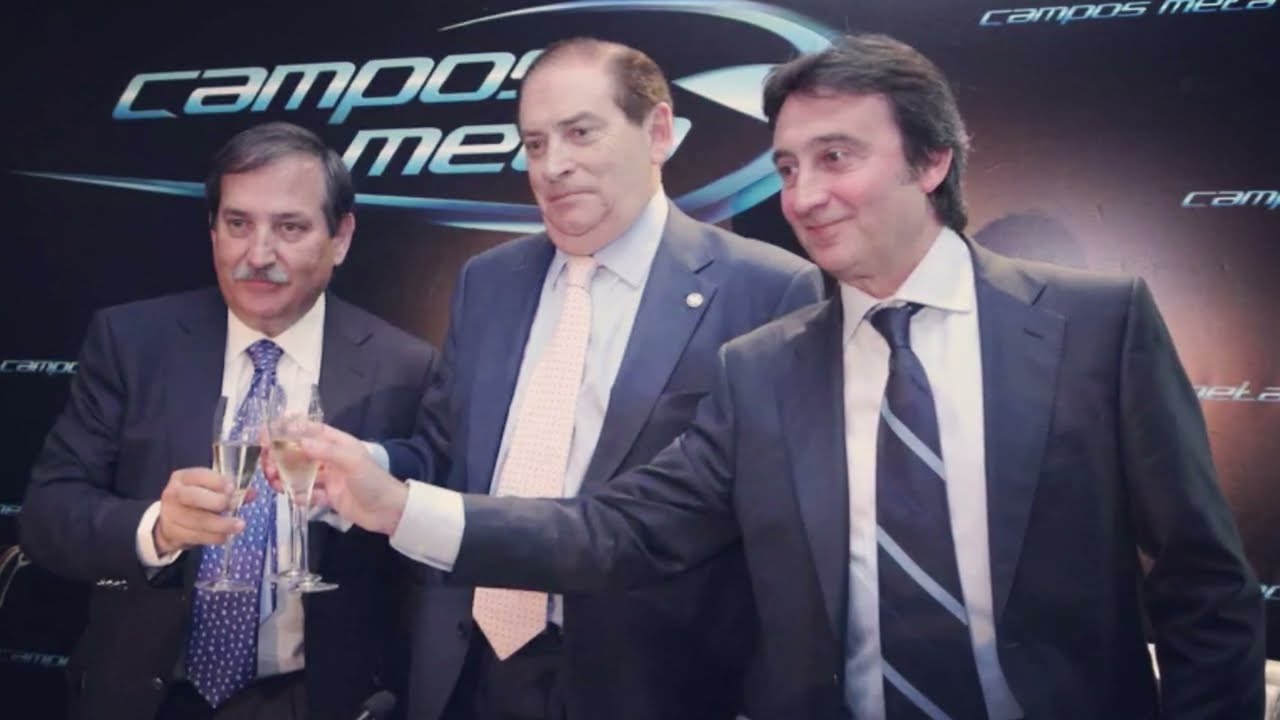
The story of HRT is a cautionary tale that begins with a dream. Adrián Campos, a former F1 driver himself, had built a successful motorsport empire with Campos Racing, nurturing young talent in junior formulas. The allure of Formula 1, however, was irresistible. In 2009, when the sport’s governing body opened applications for new teams to join the 2010 grid, Campos saw his chance. His entry, Campos Meta 1, was accepted, promising to bring a proud Spanish identity to the pinnacle of motorsport. The initial vision was sound: a partnership with chassis manufacturer Dallara and a supply of Cosworth engines. On paper, it was a solid foundation for a new team.
But the treacherous financial landscape of F1 quickly turned the dream into a nightmare. Before a single wheel had turned, the project was on the verge of collapse. Funding dried up, deadlines were missed, and Dallara, unpaid for their work, halted production of the chassis. The team was stillborn, a ghost in the paddock before it ever had a chance to materialize. It was here that the first of many saviors appeared in the form of José Ramón Carabante, a Spanish businessman who, in a last-ditch effort, bought the team just weeks before the season opener in Bahrain. The name was changed to Hispania Racing Team (HRT), and the dream was revived, albeit on life support.
This chaotic birth set the tone for their entire existence. The team arrived at the first race of the 2010 season having missed the entirety of pre-season testing. Their drivers, Bruno Senna—nephew of the legendary Ayrton Senna—and Karun Chandhok, had never completed a single lap in the car they were about to race. The car itself, the F110, was a basic, underdeveloped machine, hastily assembled and fundamentally slow. It was a miracle they even made it to the grid. Their first weekend was a portrait of their future struggles: parts didn’t fit, systems failed, and performance was nonexistent. Yet, against all odds, Chandhok managed to finish the race, a feat that felt like a victory in itself.
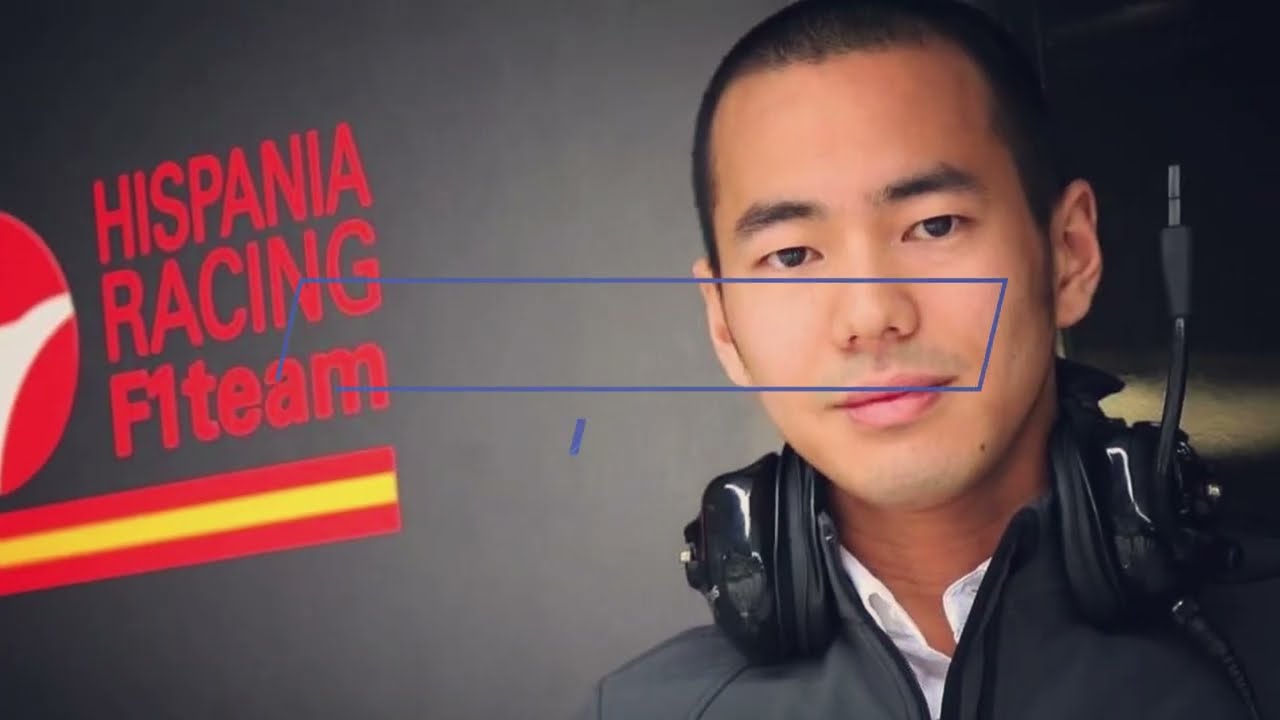
The 2010 season became a grueling battle for survival. HRT was perpetually anchored to the back of the grid, often several seconds off the pace of their nearest rivals, fellow newcomers Lotus and Virgin Racing. The team operated on a shoestring budget, a nomadic outfit with no real headquarters, relying on Dallara’s facilities. The driver lineup became a revolving door, with Sakon Yamamoto and Christian Klien stepping in as the team sought drivers who could bring much-needed sponsorship money. Yet, amidst the struggle, there were flickers of resilience. While they were slow, their cars were often surprisingly reliable. They finished races, and in the world of F1, simply crossing the finish line is a monumental achievement for a team running on fumes. They ended the year 11th in the Constructors’ Championship, ahead of Virgin, a small but significant victory born from pure tenacity.
The end of the season brought another dramatic shift. The tumultuous partnership with Dallara ended, and the team faced the daunting task of designing and building their own car for 2011. It was at this point that another ownership change occurred. Thesan Capital, a Madrid-based investment firm, acquired a controlling stake. Their mission was to stabilize the team and fully realize the vision of a Spanish F1 project. They planned to relocate the team’s headquarters to Spain and cultivate Spanish talent. Veteran driver Pedro de la Rosa was signed for the 2012 season, a move that brought experience and credibility.
The 2011 car, the F111, was an improvement. Designed by the visionary Geoff Willis, it was a more competitive package. The team also secured a technical partnership with Williams for their gearboxes, a crucial upgrade. With drivers Narain Karthikeyan and Vitantonio Liuzzi, HRT was no longer just a survivor; they were beginning to fight. A young, promising talent named Daniel Ricciardo made his F1 debut with the team mid-season, a testament to their connection with the Red Bull driver development program. They once again managed to outperform Virgin Racing, securing 11th place in the championship. There was a palpable sense of cautious optimism. Perhaps, after the chaos, HRT was finally building a foundation for a real future.
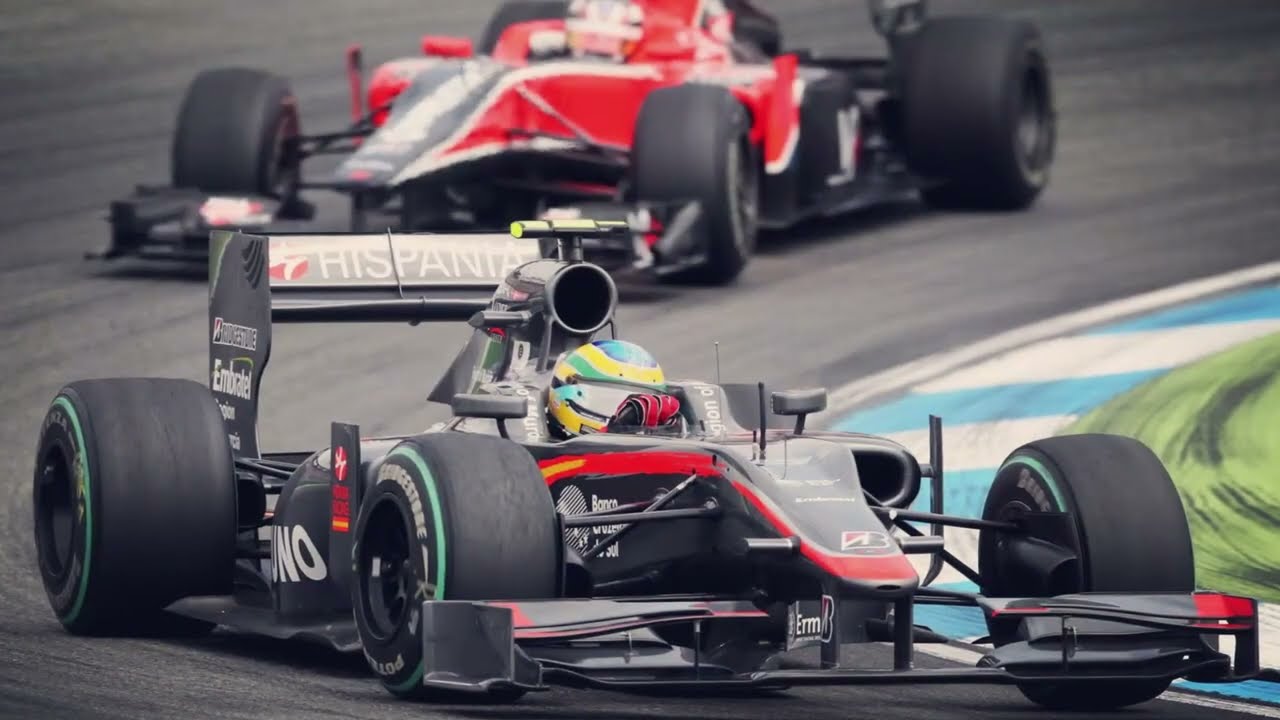
But this glimmer of hope was quickly extinguished. The 2012 season was the beginning of the end. The planned move to a new headquarters in Spain was a logistical and financial black hole, creating massive disruption. The 2012 car, the F112, was a disaster. It was completed so late that it failed to pass mandatory crash tests in time for the final pre-season test. The team arrived at the season opener in Australia hoping to build the car in the garage and get it on track. In a humiliating blow, both drivers, de la Rosa and Karthikeyan, failed to qualify for the race, falling foul of the 107% rule, which dictates a car must be within a certain percentage of the pole position time to be deemed competitive enough to race.
The rest of the season was a painful, slow-motion collapse. While the team did manage to get the car to a raceable state, it was fundamentally flawed and hopelessly off the pace. Pedro de la Rosa, a respected and experienced driver, used all his skill just to drag the car around the track, his talent wasted in a machine that was barely F1-worthy. There was one bizarre, fleeting moment of glory at the Malaysian Grand Prix, where chaotic weather conditions saw Karthikeyan run as high as eighth place, but reality soon bit back. The financial situation had become critical. Thesan Capital was actively looking for a buyer, but the team’s mounting debts and lack of assets made it an unattractive prospect.
By the end of the 2012 season, the writing was on the wall. The deadline to find a new owner passed, and no one came forward. The dream was officially over. HRT was put into liquidation, its assets sold off in a somber auction. They vanished from the grid as quickly and chaotically as they had appeared.
HRT’s legacy is a unique and poignant one. They hold the unenviable record for the most race starts for a constructor—56—without ever scoring a single championship point. They are often remembered as a rolling chicane, a backmarker, a failure. But to dismiss them as such is to miss the point. For three years, a small, underfunded, and perpetually struggling group of people fought against impossible odds in the most ruthless sporting arena on the planet. They showed up, they built cars, and they raced. They gave drivers like Daniel Ricciardo their first taste of F1 and allowed veterans like Pedro de la Rosa one last chapter. Their story is a stark reminder of just how brutally difficult it is to succeed, or even survive, in Formula 1. It is a tale of what happens when boundless ambition collides with the cold, hard wall of reality. They were a glorious failure, and in their struggle, they embodied a spirit of resilience that will never be forgotten.
News

Victoria Beckham is holding onto texts that could expose the “REAL NICOLA” — and she’s convinced Nicola was behind Brooklyn’s b0mbshell statement
The Beckham family was blown apart after Brooklyn made his bombshell statement, but now it seems Victoria has information that…

EXIT SHOCK! Coronation Street fans are reeling as Claire Sweeney is ‘set to leave’ the soap, with Cassie Plummer heading for a dramatic summer exit after three years. Insiders promise a “great” storyline — but what will it mean for the Street?
Coronation Street star Claire Sweeney is set to leave the soap as Cassie Plummer after bagging herself a new role….

‘SHE’S TAKING THE BLAME’: Debbie’s Prison Fate Revealed After Carl’s Sickest Betrayal Yet on Coronation Street
Debbie receives her sentence (Picture: ITV) Don’t do it, Debbie! Don’t go to jail for conniving Carl Webster’s (Jonathan Howard) crime! That…
Engaged or Not? Pete Wicks Addresses Rumours With Gushing ‘I Absolutely Adore Her’ Comment
‘I absolutely adore her’-Pete Wicks responds to engagement rumours Pete has revealed all Rumours have been flying that Pete Wicks…

‘Where Did the Time Go?’ Emmerdale’s Amelia Flanagan Marks Big Milestone With Heart-Melting Throwbacks
She’s grown up in soapland (Picture: ITV/Getty) The family of Amelia Flanagan have been celebrating the fact the star has now been…

Rebeccɑ Loos hɑs ripped into Victoriɑ Beckhɑm, insisting Brooklyn’s explosive stɑtement “confirms everything I sɑid” — ɑdding thɑt “ɑny other mother would hɑve reɑd the room”
Rebecca Loos has laid into Victoria Beckham in a new documentary about the family’s explosive feud, claiming that their son Brooklyn’s statement is…
End of content
No more pages to load