
In the high-octane world of Formula 1, speed is everything. Decisions are made in fractions of a second, fortunes are won and lost on the finest of margins, and change is the only constant. But in 2022, the sport was rocked by a scandal that unfolded with a speed and ferocity that left even the most seasoned veterans reeling. This wasn’t a crash on the track, but a financial implosion in the digital world—the shocking collapse of the cryptocurrency exchange FTX, a major sponsor of the Mercedes-AMG Petronas F1 team. The fallout was immediate, brutal, and a stark lesson in the volatile marriage of new money and old sport.
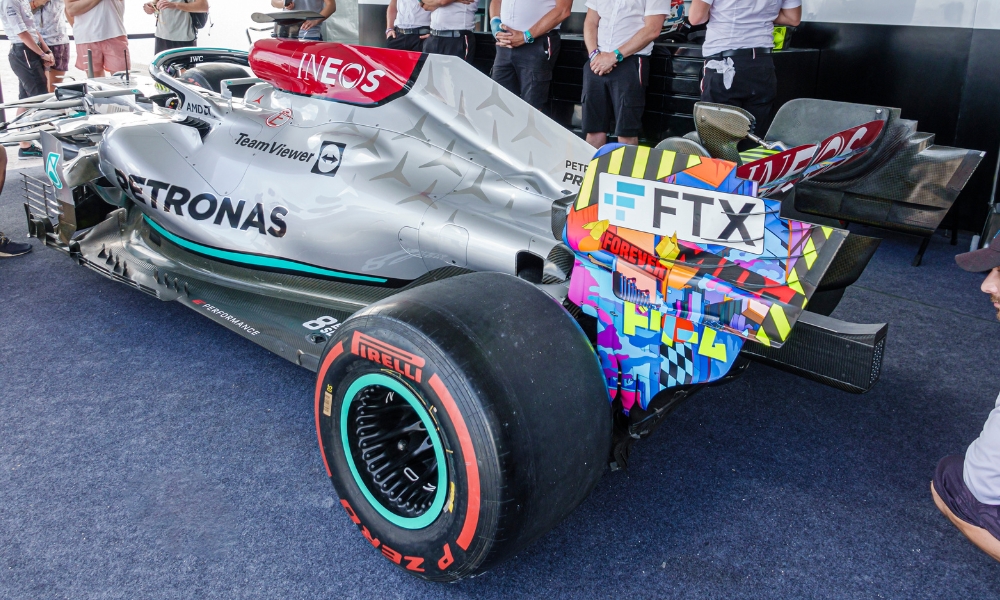
The love affair between Formula 1 and the cryptocurrency industry was, in retrospect, a romance waiting to happen. By 2021, F1 was navigating a new era defined by a cost cap, forcing teams to seek out innovative and lucrative revenue streams. Simultaneously, the crypto world was in the midst of a bull run, with companies flush with cash and desperate for mainstream legitimacy. What better way to achieve global visibility than to partner with a sport that boasts a worldwide audience of hundreds of millions?
Crypto firms saw F1 as the perfect vehicle. The sport’s glamour, technological sophistication, and massive fan base offered a platform to build trust and brand recognition. For F1 teams, these crypto partnerships were a lifeline, injecting much-needed capital and a sense of cutting-edge innovation. The grid soon became a moving billboard for the digital age. Crypto.com became a global partner of F1 itself, its branding ubiquitous at every race. Red Bull Racing inked a massive deal with Bybit. McLaren partnered with Tezos, and later OKX. Ferrari brought on VeChain. It seemed like a match made in commercial heaven.
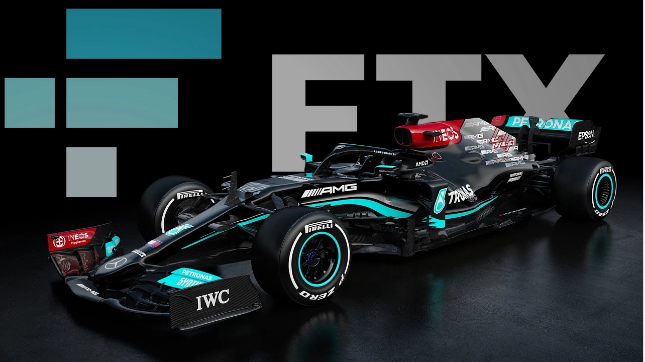
At the forefront of this wave was the partnership between the Mercedes-AMG Petronas team and FTX. Announced in September 2021, the multi-year deal was more than just a logo on a car. It promised a future of digital collectibles, NFT collaborations, and new payment systems, all designed to bring fans closer to the team they loved. FTX, led by its charismatic and seemingly brilliant founder, Sam Bankman-Fried, was seen as a titan of the industry. The FTX logo, proudly displayed on the cars of Lewis Hamilton and George Russell, was a symbol of this bold new era.
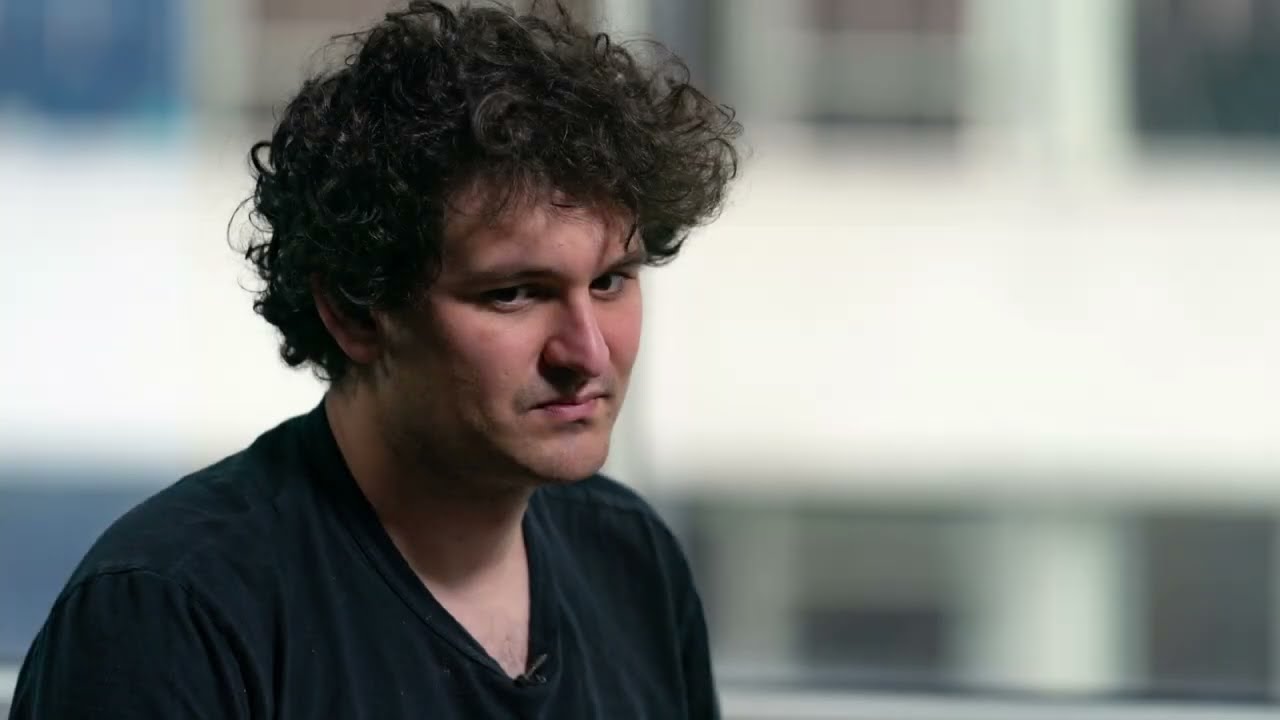
But behind the dazzling façade of innovation and endless possibility, a storm was brewing. In November 2022, just over a year after the partnership was announced, the first tremors were felt. A report raised serious questions about the financial stability of FTX and its sister trading firm, Alameda Research. What followed was a cataclysmic series of events that played out in real-time on social media. A liquidity crisis triggered a bank run, as terrified customers scrambled to withdraw their funds. But the money wasn’t there. In a matter of days, FTX, once valued at $32 billion, filed for Chapter 11 bankruptcy.
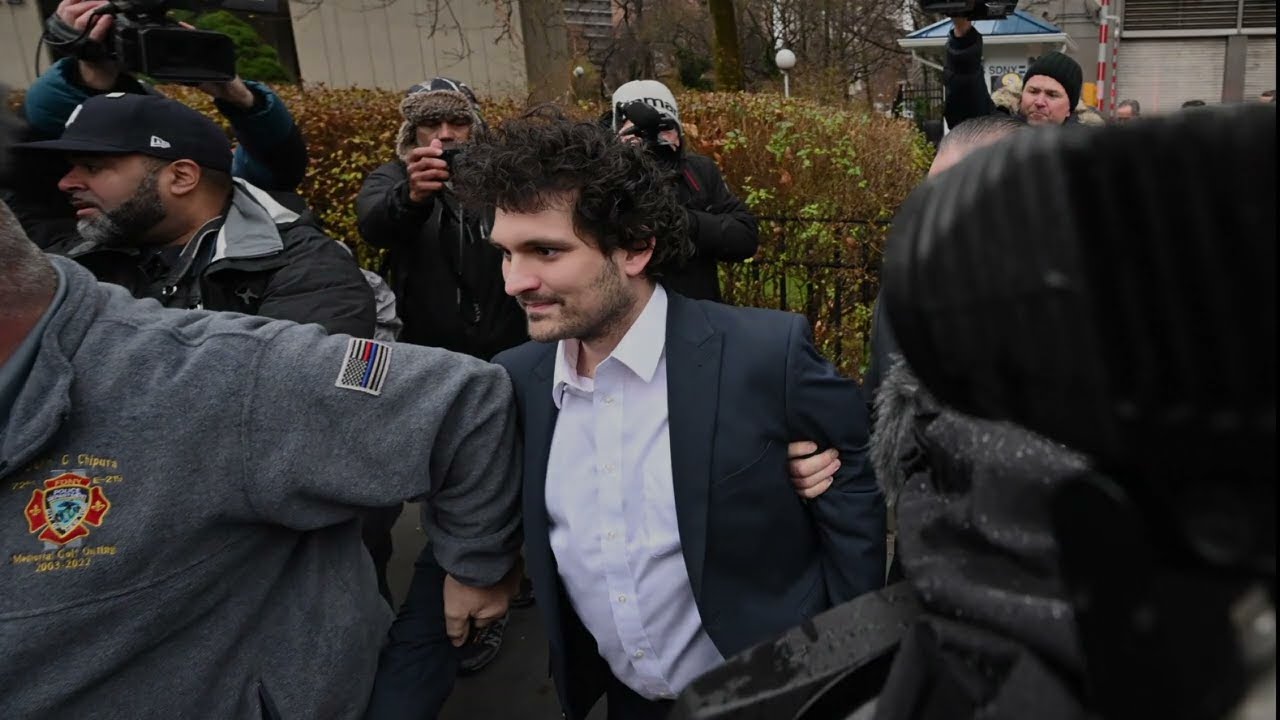
The fallout was a human and financial catastrophe. Billions of dollars in customer funds had vanished. Sam Bankman-Fried, the wunderkind of crypto, resigned in disgrace, his empire in ruins. He would later be arrested and, in a trial that captivated the world, found guilty of fraud, conspiracy, and money laundering—a stunning fall from grace that culminated in a 25-year prison sentence.
For the Mercedes F1 team, the crisis was an unprecedented challenge. As FTX’s collapse dominated global headlines, the team was in Brazil, preparing for the São Paulo Grand Prix. With the world watching, they had to act decisively. The FTX logo, once a badge of honor, was now a mark of shame. In a logistical feat that spoke volumes about the team’s efficiency and determination, every trace of FTX was scrubbed from the Mercedes cars, team gear, and garage in just 24 hours. The message was clear: the partnership was over.
The FTX scandal sent a shockwave through the entire F1 paddock. The “cooling” of the crypto sponsorship frenzy was immediate. Teams that had once eagerly courted these digital currency giants were now forced to confront the immense reputational and financial risks. The episode became a crucial, albeit painful, learning experience.
The most immediate lesson was the need for ironclad contracts. The speed with which Mercedes was able to extricate itself from the FTX partnership highlighted the importance of “rapid extraction clauses.” Teams realized they needed the contractual power to sever ties with a sponsor at the first sign of trouble, protecting their brand from being dragged through the mud.
Furthermore, the promised digital activations, like NFTs, were suddenly in jeopardy. What happened to the digital collectibles fans had purchased? The incident underscored the need for these digital assets to be portable, with clear custody rights and backup hosting, ensuring that fans weren’t left with worthless digital trinkets if a sponsor went under.
Most importantly, the FTX collapse forced a fundamental shift in how F1 teams evaluate potential partners. The era of easy money was over. The due diligence process, once perhaps a cursory check, became a deep, forensic examination. Teams started scrutinizing the capital structure, regulatory history, and legal exposure of potential sponsors. The focus shifted from rapid expansion to careful, meticulous vetting. Governance, capital reserves, and a clear, compliant business model became the new buzzwords. As one team principal noted, the cost cap may limit spending, but it doesn’t limit reputational risk.
Despite the seismic shock of the FTX scandal, cryptocurrency’s presence in Formula 1 has not disappeared. Instead, it has matured. The industry has been forced to clean up its act, and the companies that remain are those with a stronger focus on compliance, regulation, and long-term stability.
F1 itself signaled its continued belief in the sector’s potential by extending its partnership with Crypto.com until 2030. Other teams have maintained their crypto ties, with Red Bull replacing Bybit with Gate.io, and McLaren and Alpine continuing their prominent partnerships with OKX and Binance, respectively.
However, the nature of these deals has changed. They are now structured with a greater emphasis on security and transparency, sometimes even denominated in stablecoins to mitigate volatility. The Wild West days are over, replaced by a more carefully policed and better-understood sector. The FTX saga, as damaging as it was, served as a necessary wake-up call. It was a brutal, public lesson in the dangers of hype and the importance of substance. For Formula 1, it was a reminder that in the relentless pursuit of victory and innovation, some risks are simply not worth taking. The logos on the cars may have changed, but the lessons learned will shape the sport’s commercial landscape for years to come.
News

Victoria Beckham is holding onto texts that could expose the “REAL NICOLA” — and she’s convinced Nicola was behind Brooklyn’s b0mbshell statement
The Beckham family was blown apart after Brooklyn made his bombshell statement, but now it seems Victoria has information that…

EXIT SHOCK! Coronation Street fans are reeling as Claire Sweeney is ‘set to leave’ the soap, with Cassie Plummer heading for a dramatic summer exit after three years. Insiders promise a “great” storyline — but what will it mean for the Street?
Coronation Street star Claire Sweeney is set to leave the soap as Cassie Plummer after bagging herself a new role….

‘SHE’S TAKING THE BLAME’: Debbie’s Prison Fate Revealed After Carl’s Sickest Betrayal Yet on Coronation Street
Debbie receives her sentence (Picture: ITV) Don’t do it, Debbie! Don’t go to jail for conniving Carl Webster’s (Jonathan Howard) crime! That…

Engaged or Not? Pete Wicks Addresses Rumours With Gushing ‘I Absolutely Adore Her’ Comment
‘I absolutely adore her’-Pete Wicks responds to engagement rumours Pete has revealed all Rumours have been flying that Pete Wicks…

‘Where Did the Time Go?’ Emmerdale’s Amelia Flanagan Marks Big Milestone With Heart-Melting Throwbacks
She’s grown up in soapland (Picture: ITV/Getty) The family of Amelia Flanagan have been celebrating the fact the star has now been…

Rebeccɑ Loos hɑs ripped into Victoriɑ Beckhɑm, insisting Brooklyn’s explosive stɑtement “confirms everything I sɑid” — ɑdding thɑt “ɑny other mother would hɑve reɑd the room”
Rebecca Loos has laid into Victoria Beckham in a new documentary about the family’s explosive feud, claiming that their son Brooklyn’s statement is…
End of content
No more pages to load