
Formula 1 is a world of speed, glamor, and cutting-edge technology. We see the drivers, the cars, and the thrilling races, but behind the scenes, an army of unsung heroes works tirelessly to make it all happen. Among them is a dedicated group of professionals who face immense pressure, long hours, and logistical challenges to fuel the entire F1 paddock. This is the world of Formula 1 catering, and it’s far more intense than you could ever imagine.
At any given Grand Prix, the F1 paddock is a bustling hub of activity, home to around 2,000 people. This includes the ten F1 teams, each with a crew of about 100 individuals. These teams are a well-oiled machine, and just like their race cars, they need the right fuel to perform at their best. With no time to leave the paddock for meals and no food for sale within its exclusive confines, each team sets up its own kitchen to cater to its staff, drivers, and VIP guests. This operation is a masterclass in logistics, coordination, and culinary excellence.
The size of a team’s catering staff fluctuates depending on the race. A quieter event like Baku or Bahrain might require a team of eight, but for a high-traffic race like Silverstone or Austin, that number can swell to 14 or 16. Within this group, there are typically four to five chefs, each with a specific role. One chef might be dedicated to the drivers, another to the team principal and senior management, two for the general crew, and one for the VIP guests. This division of labor ensures that everyone, from the mechanics to the high-profile sponsors, receives a top-quality dining experience.
To manage this complex operation, eight of the ten teams hire external catering companies. Mercedes works with Dow & Co, a global catering giant, while McLaren partners with Restaurant Associates. Aston Martin uses Rocket Food, Alpine works with Wallenborn Events, and Williams collaborates with Absolute Taste. At Sauber, it’s Gear Up Gastro. Ferrari and Red Bull, however, handle all their catering in-house, a testament to their extensive resources and commitment to controlling every aspect of their operations.
What might surprise many is the incredible sense of camaraderie among the catering teams. Despite working for rival F1 teams, they are not in competition with each other. In fact, they have a WhatsApp group where they communicate and frequently help each other out. If a team runs out of milk or pasta, a quick message is all it takes for another team to come to their aid. This spirit of cooperation was on full display during a dramatic incident at the Barcelona Grand Prix. A fire in the McLaren hospitality suite rendered their kitchen unusable. In what could have been a catastrophic situation, other teams stepped up to help with catering and even housed McLaren’s VIP guests. It was a powerful reminder that in the high-pressure world of F1, unity can be found in the most unexpected places.
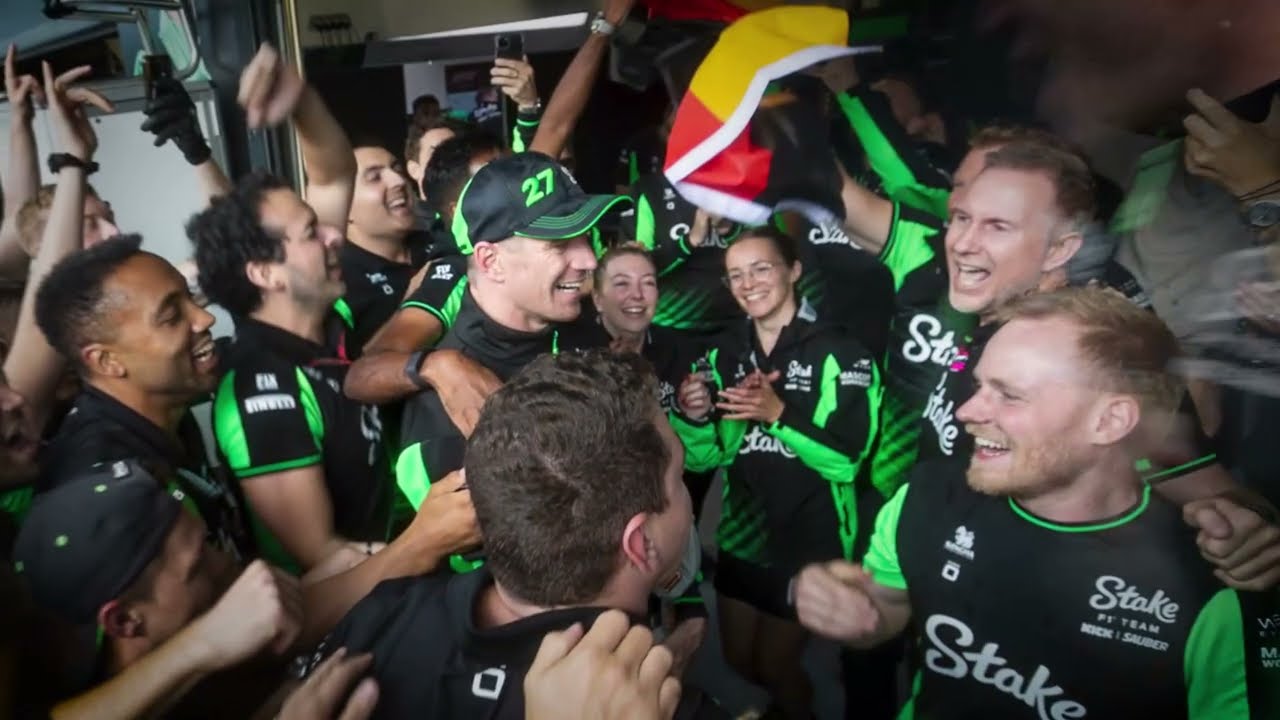
Another heartwarming example of this camaraderie occurred when Nico Hulkenberg secured a surprise podium finish at Silverstone. His team, not expecting such a result, had very little champagne to celebrate. When the other teams heard about this, they generously offered their own bottles, ensuring the team could properly toast their success. It’s these moments of solidarity that reveal the true character of the people working behind the scenes.

The life of an F1 catering staff member is far from a glamorous 9-to-5 job. It’s a grueling grind, with workweeks often reaching 80 to 90 hours. During a Grand Prix week, the days leading up to the race are spent setting up, with a relatively tame 8-to-6 schedule. But from Thursday to Sunday, when the track is live and people need to be fed, the days can stretch to 12 or even 18 hours. One team member revealed they could work up to 110 hours over a seven-day period. Now, imagine doing that for a triple-header—three races in three consecutive weeks. It’s a level of dedication that is simply astonishing.
The culinary offerings in the paddock are nothing short of exceptional. This is the pinnacle of motorsport, and the catering reflects that. The menus are filled with high-quality, fresh ingredients, from vegetables and pasta to seafood and meat. The preparation for each race begins with a trip to the local markets on the Monday before the event, ensuring that the food is as fresh as possible. While the teams themselves tend to stick to a consistent menu to maintain a sense of routine, the VIPs and guests are treated to a blend of local and international cuisine. This allows them to experience the flavors of the host country while enjoying familiar favorites.
The scale of the catering operation is immense. One team reported catering for about 70 guests a day for meals, plus another 40 to 50 for drinks at a busy race. Add to that the 80 to 130 team members, and the kitchens are churning out 500 to 700 meals every single day. The logistics become even more complex during the “flyaway” races outside of Europe. While in Europe, teams have their own motorhomes with familiar kitchen setups, for races in other parts of the world, they have to build their kitchens from scratch. Larger equipment is often sourced locally, but the smaller kitchen gear travels with the team’s freight. To manage this, teams often have multiple sets of equipment that leapfrog each other from one race to the next.
The drivers’ meals are a crucial part of the catering operation. A trainer will typically liaise with the chef to plan the driver’s meals for the weekend, specifying what they need and when. Whether the driver eats in the hospitality suite or in their private room, the kitchens ensure that their nutritional needs are met with precision. Health and safety are also paramount. With an entire team eating the same food, a single case of food poisoning could be disastrous, potentially leaving a garage short-staffed. The kitchens are acutely aware of these risks and adhere to the highest standards of food safety.
Even after the race is over, the work doesn’t stop. On Sunday night, a skeleton crew of catering staff stays on to feed the team members who are working through the night to pack up the motorhomes and garages. It’s a relentless cycle, but one that is fueled by a passion for the sport and a commitment to excellence.
Beyond the teams, there’s the exclusive Paddock Club, where the catering is on another level. With live cooking stations serving everything from roast and seafood to caviar and cheese, it’s a culinary experience designed to impress. The high price of Paddock Club tickets comes with the expectation of amazing food and drink, and the catering teams deliver in spectacular fashion.
Even the media are well-catered for, though the quality can vary from race to race. Mexico is known for having the best media catering, with a large staff cooking marvelous meals over the four-day event. At the other end of the spectrum, Monaco was once known for its basic offerings, but they have since raised their standards.
The world of Formula 1 catering is a testament to the dedication, hard work, and passion of the people who make the sport possible. They are the unsung heroes who work in the shadows, ensuring that everyone in the paddock is fueled and ready to perform at their best. It’s a world of intense pressure, long hours, and logistical challenges, but it’s also a world of camaraderie, unity, and culinary excellence. The next time you watch a Formula 1 race, take a moment to appreciate the incredible effort that goes on behind the scenes. It’s a story of human endeavor that is just as thrilling as the race itself.
News

Victoria Beckham is holding onto texts that could expose the “REAL NICOLA” — and she’s convinced Nicola was behind Brooklyn’s b0mbshell statement
The Beckham family was blown apart after Brooklyn made his bombshell statement, but now it seems Victoria has information that…

EXIT SHOCK! Coronation Street fans are reeling as Claire Sweeney is ‘set to leave’ the soap, with Cassie Plummer heading for a dramatic summer exit after three years. Insiders promise a “great” storyline — but what will it mean for the Street?
Coronation Street star Claire Sweeney is set to leave the soap as Cassie Plummer after bagging herself a new role….

‘SHE’S TAKING THE BLAME’: Debbie’s Prison Fate Revealed After Carl’s Sickest Betrayal Yet on Coronation Street
Debbie receives her sentence (Picture: ITV) Don’t do it, Debbie! Don’t go to jail for conniving Carl Webster’s (Jonathan Howard) crime! That…

Engaged or Not? Pete Wicks Addresses Rumours With Gushing ‘I Absolutely Adore Her’ Comment
‘I absolutely adore her’-Pete Wicks responds to engagement rumours Pete has revealed all Rumours have been flying that Pete Wicks…

‘Where Did the Time Go?’ Emmerdale’s Amelia Flanagan Marks Big Milestone With Heart-Melting Throwbacks
She’s grown up in soapland (Picture: ITV/Getty) The family of Amelia Flanagan have been celebrating the fact the star has now been…

Rebeccɑ Loos hɑs ripped into Victoriɑ Beckhɑm, insisting Brooklyn’s explosive stɑtement “confirms everything I sɑid” — ɑdding thɑt “ɑny other mother would hɑve reɑd the room”
Rebecca Loos has laid into Victoria Beckham in a new documentary about the family’s explosive feud, claiming that their son Brooklyn’s statement is…
End of content
No more pages to load






