
In the world of Formula 1, nine races can feel like an eternity. For a driver of Max Verstappen’s caliber and a team with the pedigree of Red Bull Racing, a nine-race winless streak wasn’t just a slump; it was a crisis. The team found itself languishing in fourth place in the constructor’s championship, a position so unfamiliar it felt like a relic from a bygone era—their worst standing in over a decade. The once-mighty RB21, the machine meant to carve through the competition, was being described by its own star driver as a “monster,” but not in the way one would hope. It was unwieldy, unpredictable, and, most damningly, uncompetitive against the soaring McLarens that had come to dominate the season. The pressure was mounting, the questions were getting louder, and the path back to the top seemed obscured by a fog of technical uncertainty.
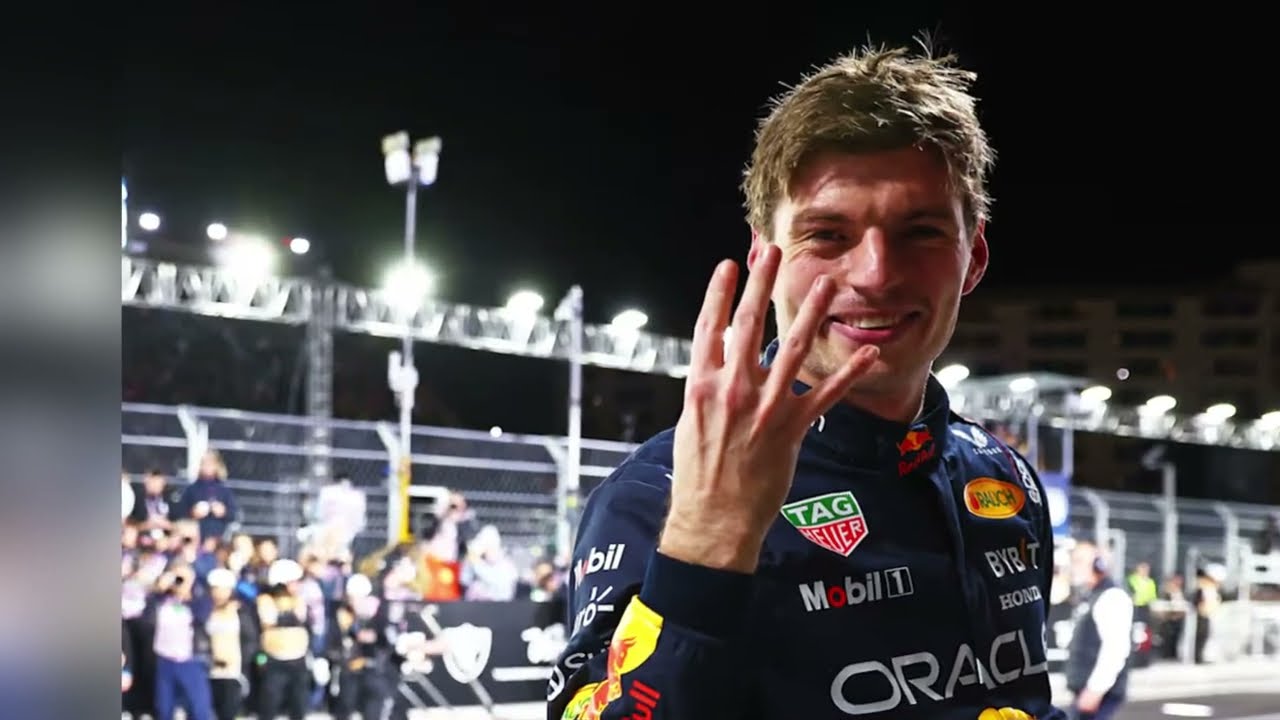
Then came Monza. The Temple of Speed. A circuit where raw power and aerodynamic efficiency reign supreme. It was here, against the backdrop of the passionate Tifosi, that the storm broke. Max Verstappen didn’t just win the Italian Grand Prix; he delivered a statement of utter dominance, a performance so commanding it sent shockwaves through the paddock. He crossed the finish line with a staggering 19-second margin, a lifetime in F1 terms, ending the drought and silencing the critics in one fell swoop. This wasn’t just a victory; it was a resurrection. It was the culmination of a quiet revolution happening behind the garage doors, a story of how strategic genius and methodical precision can tame a monster and turn a season on its head.
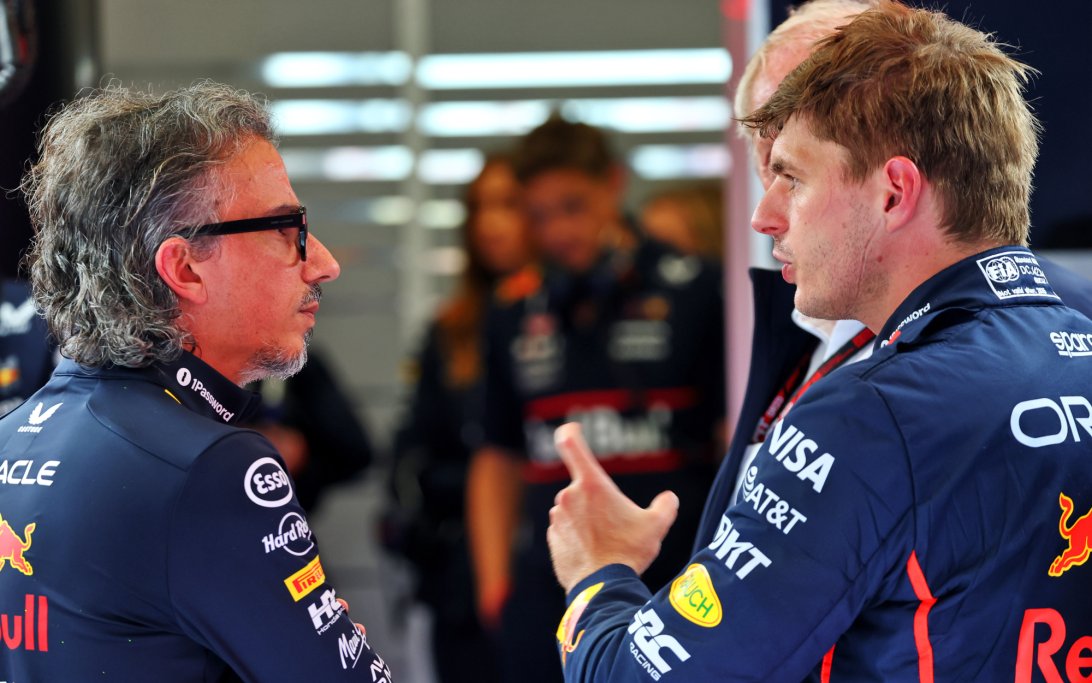
The roots of this spectacular turnaround can be traced back to one pivotal decision: the appointment of Laurent Mekies as Team Principal, replacing the long-serving Christian Horner. Mekies, a name respected throughout the paddock for his deep engineering background forged in the crucibles of Ferrari, arrived not with a magic wand, but with a philosophy. Red Bull’s approach to solving the RB21’s myriad problems had been described as a “scattergun approach”—a desperate, reactive scramble to find fixes. Mekies immediately put an end to that. He introduced a structured, methodical process, a calm in the midst of the storm.
His impact was less about loud declarations and more about quiet, incisive questions. As Verstappen himself noted, Mekies possessed an uncanny ability to ask the “right questions to the engineers.” This wasn’t just about finding answers; it was about understanding the fundamental problems that plagued the car. It was a shift from treating the symptoms to diagnosing the disease. This new methodology fostered a deeper understanding of the RB21’s complex aerodynamics and handling characteristics. The team began to work with a renewed sense of purpose and clarity. The frantic energy of the past was replaced by a confident, collaborative environment where data, not desperation, drove decisions. The initial signs of this transformation were visible at the Dutch Grand Prix, but it was at Monza that the full force of Mekies’ influence was unleashed.
The Monza weekend was a masterclass from start to finish. It began with a qualifying session that will be etched in the record books. Verstappen, with a car that suddenly felt like an extension of his own body, flew around the historic circuit. He clinched pole position with a lap time of 1 minute and 18.792 seconds, achieving an average speed of 164.466 mph. It was the fastest pole position lap in the history of Formula 1, shattering Lewis Hamilton’s 2020 record. This achievement was a product of both engineering and environment. The 2024 generation of F1 cars, while slower in the corners than their 2020 predecessors, are designed to produce significantly less drag, making them missiles on the long straights of Monza. Compounding this advantage was the new tarmac laid before the previous year’s race, which provided a level of grip far superior to the surface Hamilton had conquered years prior. Red Bull had perfectly optimized the RB21 for these conditions, and Verstappen extracted every last thousandth of a second.
Come race day, the confidence from qualifying translated into pure, unadulterated dominance. While he faced an initial challenge from a hard-charging Lando Norris, Verstappen’s defense was resolute. By the fourth lap, he had executed a masterful overtake to reclaim the lead, and from that moment on, he simply vanished. The 19-second gap by the checkered flag wasn’t just a measure of speed; it was a testament to a driver and a machine in perfect harmony, a synergy that had been painfully absent for months. He managed his tires flawlessly, his pace was relentless, and he never once looked threatened. It was a drive that reminded everyone of the formidable force that is Max Verstappen when he has the right machinery beneath him.
The victory reverberated far beyond the Red Bull garage. In the Mercedes camp, Team Principal Toto Wolff, a fierce competitor, could only watch in admiration. He pointed to Verstappen’s performance as the new benchmark, a lesson for his own drivers in what is possible when transcendent talent is paired with a perfectly executed car. It was a moment of recognition from a rival that underscored the significance of Red Bull’s achievement. They hadn’t just won a race; they had reset the bar.

However, amidst the champagne showers and celebrations, a dose of reality remains. Despite this monumental victory, Verstappen’s championship hopes for the current season are still a long shot, with McLaren’s Oscar Piastri holding a significant lead in the points standings. But the win at Monza was never just about the 2024 title. It was about the future. It was a declaration of intent for 2025 and beyond.
The appointment of Laurent Mekies has done more than just fix a troublesome car; it has restored belief. It has proven that Red Bull possesses the technical acumen and leadership to solve complex problems systematically. The “monster” has been tamed, and in its place is a finely tuned weapon. For Max Verstappen, the confidence is back, not just in his own abilities, but in the team around him. He knows that he is now part of an organization that can dissect a problem with surgical precision and deliver a solution. This victory has reinvigorated the entire Red Bull organization, from the engineers in Milton Keynes to the mechanics in the garage. The scattergun has been locked away, replaced by the scalpel, and with it, Red Bull has carved out a new path back to the pinnacle of motorsport. The nine races of silence are over, and the roar from Monza was loud enough for the whole world to hear.
News

Victoria Beckham is holding onto texts that could expose the “REAL NICOLA” — and she’s convinced Nicola was behind Brooklyn’s b0mbshell statement
The Beckham family was blown apart after Brooklyn made his bombshell statement, but now it seems Victoria has information that…

EXIT SHOCK! Coronation Street fans are reeling as Claire Sweeney is ‘set to leave’ the soap, with Cassie Plummer heading for a dramatic summer exit after three years. Insiders promise a “great” storyline — but what will it mean for the Street?
Coronation Street star Claire Sweeney is set to leave the soap as Cassie Plummer after bagging herself a new role….

‘SHE’S TAKING THE BLAME’: Debbie’s Prison Fate Revealed After Carl’s Sickest Betrayal Yet on Coronation Street
Debbie receives her sentence (Picture: ITV) Don’t do it, Debbie! Don’t go to jail for conniving Carl Webster’s (Jonathan Howard) crime! That…

Engaged or Not? Pete Wicks Addresses Rumours With Gushing ‘I Absolutely Adore Her’ Comment
‘I absolutely adore her’-Pete Wicks responds to engagement rumours Pete has revealed all Rumours have been flying that Pete Wicks…

‘Where Did the Time Go?’ Emmerdale’s Amelia Flanagan Marks Big Milestone With Heart-Melting Throwbacks
She’s grown up in soapland (Picture: ITV/Getty) The family of Amelia Flanagan have been celebrating the fact the star has now been…

Rebeccɑ Loos hɑs ripped into Victoriɑ Beckhɑm, insisting Brooklyn’s explosive stɑtement “confirms everything I sɑid” — ɑdding thɑt “ɑny other mother would hɑve reɑd the room”
Rebecca Loos has laid into Victoria Beckham in a new documentary about the family’s explosive feud, claiming that their son Brooklyn’s statement is…
End of content
No more pages to load