
In the high-octane world of Formula 1, where a fraction of a second can separate victory from defeat, the name Red Bull Racing has become synonymous with audacious ambition and relentless success. For two decades, the team has cultivated an image of a brash, disruptive force, an energy drink company that dared to take on the automotive giants and win. But as the engines roar and the sport evolves, a quiet revolution is taking place within the walls of their Milton Keynes headquarters. Red Bull Racing is in the midst of a radical transformation, a calculated gamble that could either cement its legacy as an F1 dynasty or send it spiraling into obscurity. This is the story of how Red Bull is shedding its old skin, evolving from a marketing-driven disruptor into a high-technology automotive powerhouse, and preparing for a future that looks vastly different from its past.
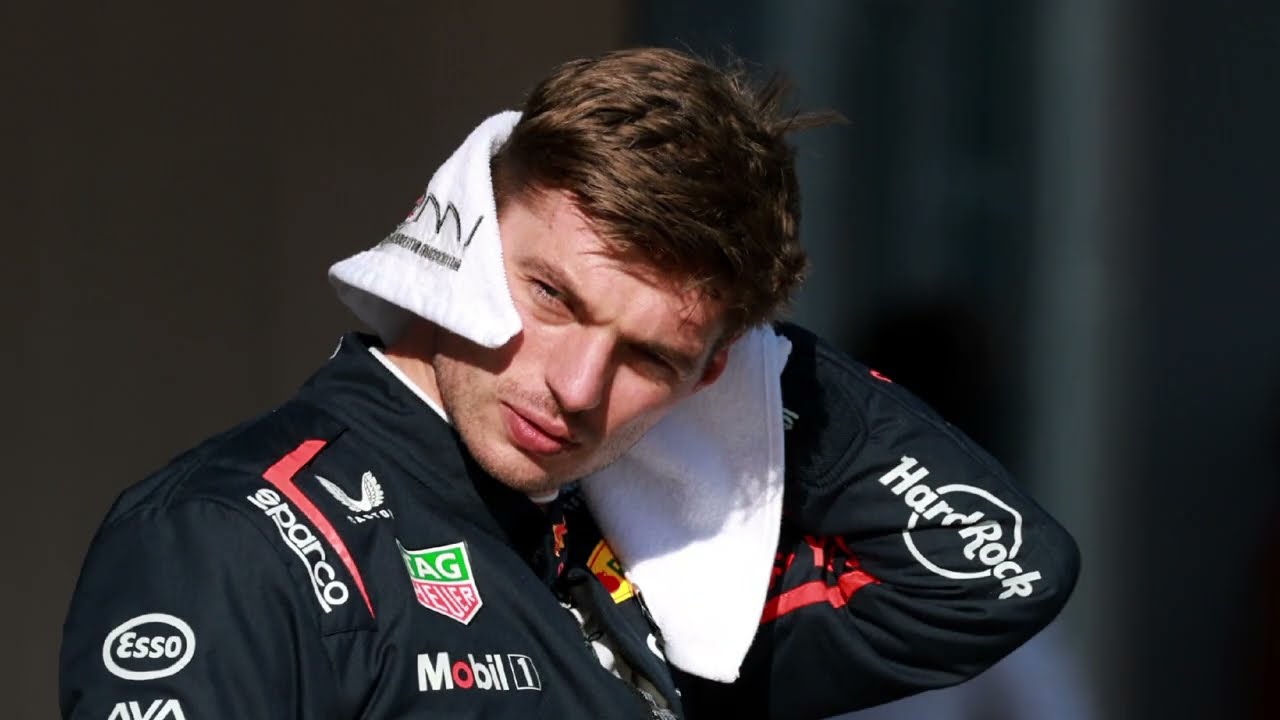
The first tremor of this seismic shift was felt earlier this season with the departure of Christian Horner, the man who had been at the helm of Red Bull Racing since its inception. For two decades, Horner was the face of the team, his political acumen and unwavering competitiveness shaping its identity. His exit was more than just a change in leadership; it was a symbolic severing of ties with the past. In his place came Laurent Mekies, a man with a starkly different background and a fundamentally different approach. Mekies, a seasoned engineer with a deep understanding of the technical intricacies of Formula 1, represents a profound cultural shift. The era of the political CEO is over, replaced by a new focus on process, engineering discipline, and technical excellence. This move signals a clear intention: Red Bull is no longer content to be just a racing team; it is on a mission to become an engineering powerhouse.
At the heart of this transformation is the audacious decision to become a power unit manufacturer. From 2026, Red Bull will no longer be a customer, reliant on the engines of other manufacturers. Instead, they will compete with their own in-house designed and assembled Red Bull Ford engine. This is a monumental undertaking, a step towards complete independence that carries with it an immense engineering risk. The world of Formula 1 is littered with the failed attempts of teams that have tried and failed to master the complexities of engine design and manufacturing. But for Red Bull, this is a necessary step in their evolution. It is a declaration of their ambition, a statement that they are ready to take on the likes of Mercedes, Ferrari, and Renault on their own terms. The success or failure of this venture will not only determine their future on the track but will also define their new identity as a high-technology automotive group.
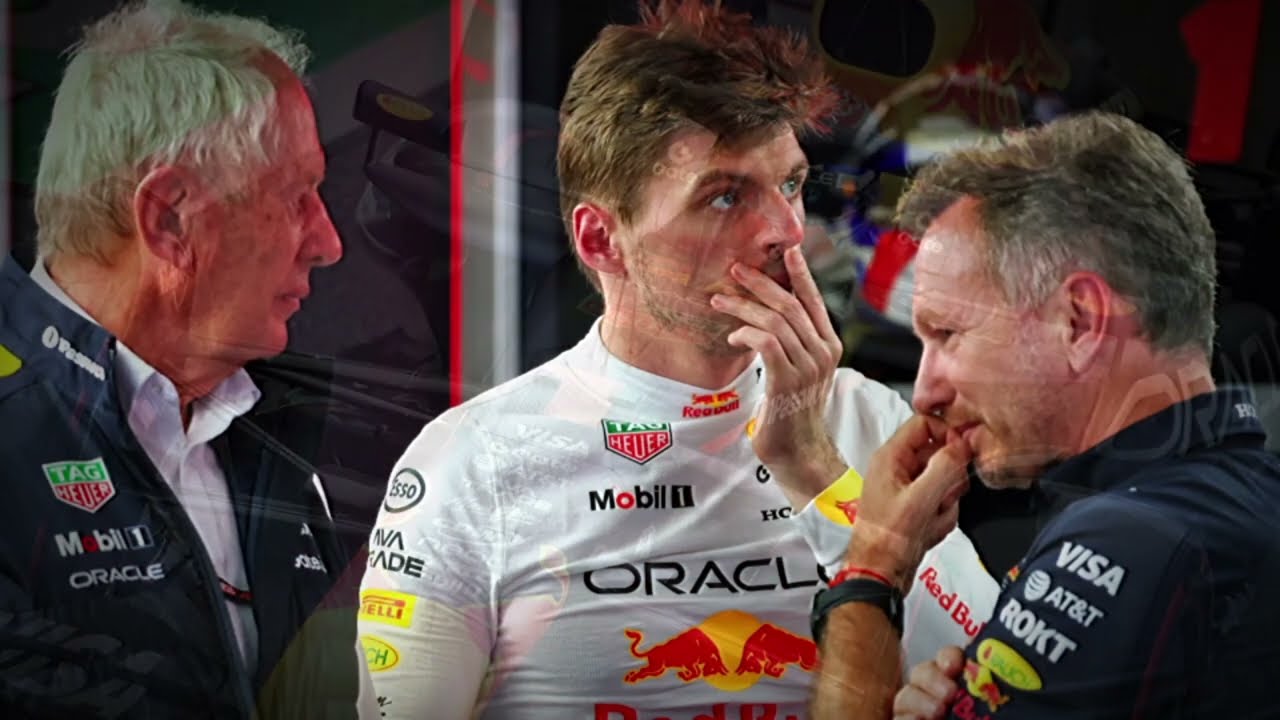
The looming departure of Max Verstappen after the 2026 season adds another layer of complexity to this already challenging transition. The Dutch prodigy has been the cornerstone of Red Bull’s success in recent years, his extraordinary talent and aggressive driving style shaping the development of their cars. His exit will leave a void that will be impossible to fill, forcing the team to undertake a strategic reset. The car, which has been tailored to Verstappen’s unique driving style, will have to be redesigned from the ground up. The entire feedback and decision-making loop, which has revolved around a single, dominant driver, will have to be reconfigured to accommodate two equally prioritized drivers. This is a challenge that goes beyond simply finding a new star driver; it requires a fundamental shift in the team’s philosophy and a complete overhaul of its operational structure.
As Red Bull navigates these challenges, its brand identity is undergoing a parallel evolution. The brash, rebellious image that once defined them is slowly giving way to a more mature, sophisticated persona. The focus is shifting from the rock-and-roll antics of the paddock to the quiet, methodical work of the research and development labs. The massive investment in power unit manufacturing, coupled with a leadership team that prioritizes technical goals and process management, is reshaping the public perception of the brand. Red Bull is no longer just an energy drink company that happens to have a racing team; it is a serious player in the world of high-performance automotive engineering.
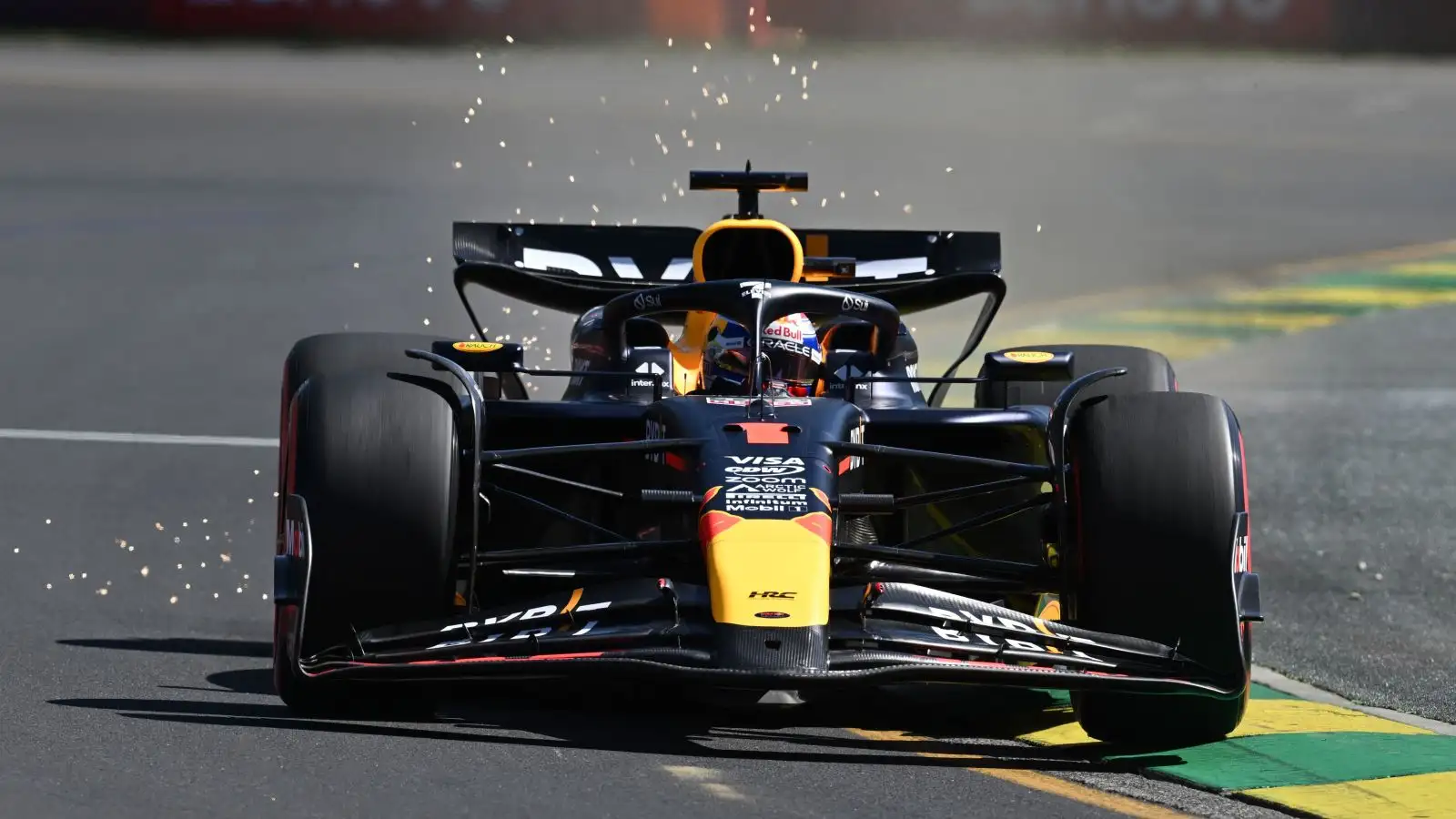
This transition is not without its risks. The immense financial and technical resources required for engine manufacturing could strain the team’s resources, potentially impacting their performance on the track. The search for a new star driver to replace Verstappen will be a fierce competition, with every team on the grid vying for the best talent. But with great risk comes great opportunity. This transformation opens the door for Red Bull to evolve into something more than just a Formula 1 team. The development of the RB17 hypercar, a stunning piece of automotive engineering designed and built entirely in-house, is a clear indication of their long-term ambitions. This is not just a vanity project; it is a serious performance product, a statement of intent that they are ready to compete with the likes of McLaren Automotive and Ferrari’s GT division.
By 2027, the Red Bull Racing that lines up on the grid will be a vastly different entity from the one we know today. It will be a team defined not by its marketing prowess or the talent of a single driver, but by its engineering excellence and its commitment to technological innovation. It will be a high-performance automotive group, standing shoulder to shoulder with the established giants of the industry. The journey will be fraught with challenges, and success is by no means guaranteed. But one thing is certain: the Red Bull of the future will be a new kind of competitor, a force to be reckoned with both on and off the track. The energy drink company that dared to dream is on the cusp of a new era, an era defined by engineering ambition, technological innovation, and a relentless pursuit of excellence. The world of Formula 1 is watching, waiting to see if this audacious gamble will pay off.
News

Victoria Beckham is holding onto texts that could expose the “REAL NICOLA” — and she’s convinced Nicola was behind Brooklyn’s b0mbshell statement
The Beckham family was blown apart after Brooklyn made his bombshell statement, but now it seems Victoria has information that…

EXIT SHOCK! Coronation Street fans are reeling as Claire Sweeney is ‘set to leave’ the soap, with Cassie Plummer heading for a dramatic summer exit after three years. Insiders promise a “great” storyline — but what will it mean for the Street?
Coronation Street star Claire Sweeney is set to leave the soap as Cassie Plummer after bagging herself a new role….

‘SHE’S TAKING THE BLAME’: Debbie’s Prison Fate Revealed After Carl’s Sickest Betrayal Yet on Coronation Street
Debbie receives her sentence (Picture: ITV) Don’t do it, Debbie! Don’t go to jail for conniving Carl Webster’s (Jonathan Howard) crime! That…

Engaged or Not? Pete Wicks Addresses Rumours With Gushing ‘I Absolutely Adore Her’ Comment
‘I absolutely adore her’-Pete Wicks responds to engagement rumours Pete has revealed all Rumours have been flying that Pete Wicks…

‘Where Did the Time Go?’ Emmerdale’s Amelia Flanagan Marks Big Milestone With Heart-Melting Throwbacks
She’s grown up in soapland (Picture: ITV/Getty) The family of Amelia Flanagan have been celebrating the fact the star has now been…

Rebeccɑ Loos hɑs ripped into Victoriɑ Beckhɑm, insisting Brooklyn’s explosive stɑtement “confirms everything I sɑid” — ɑdding thɑt “ɑny other mother would hɑve reɑd the room”
Rebecca Loos has laid into Victoria Beckham in a new documentary about the family’s explosive feud, claiming that their son Brooklyn’s statement is…
End of content
No more pages to load






