
In the ruthless, high-speed theater of Formula 1, the difference between a champion and a footnote is often measured in millimeters and milligrams. But as the 2026 season roars to life, the paddock is buzzing with a controversy that can’t be seen with the naked eye. It’s a ghost in the machine—a technical anomaly that suggests Mercedes-AMG Petronas, and potentially Red Bull Racing, have found a way to bend the laws of physics to their will, leaving rivals like Ferrari and Audi chasing shadows.
The accusation is subtle but devastating: Mercedes has allegedly developed a “Phantom Engine” capability, exploiting a loophole so precise that it exists only when the car is screaming at 200 mph, vanishing the moment it returns to the garage.

The 16:1 Rule and the “Cold” Loophole
To understand the genius—or the scandal, depending on who you ask—you have to look at the new 2026 engine regulations. The FIA, in an attempt to keep costs down and competition close, mandated a maximum compression ratio of 16:1 for the internal combustion engines. This ratio determines how much the fuel-air mixture is squeezed before ignition; generally, higher compression means a more powerful explosion and more speed.
Here lies the gray area: The FIA measures this compression ratio when the engine is cold, dismantled, and static in the inspection bay.
According to explosive rumors circulating in the paddock, Mercedes engineers stopped asking “What is the limit?” and started asking “When is the limit measured?” The theory is that the Silver Arrows have designed pistons and combustion chambers using advanced metallurgical alloys that expand significantly at high operating temperatures.
While the engine sits cold in the FIA garage, it complies perfectly with the 16:1 limit. But out on the track, as the heat builds, the metal expands, the tolerances tighten, and the compression ratio allegedly spikes to a forbidden 18:1. This “thermal shapeshifting” grants them a potent advantage—not a massive horsepower boost, but the crucial tenths of a second needed to secure pole positions and race wins.
The Red Bull Silence
Usually, when a team finds a clever trick, their rivals scream “Illegal!” from the rooftops. Ferrari, Audi, and Honda have indeed been vocal, demanding clarifications and stricter testing. But one team has been conspicuously quiet: Red Bull Racing.
The silence from Milton Keynes is deafening, and insiders believe they know why. Red Bull isn’t complaining because they might be doing the exact same thing.
The link is a man named Ben Hodkinson. For years, Hodkinson was a cornerstone of Mercedes High Performance Powertrains, the division responsible for the engines that dominated the hybrid era. When Red Bull decided to build their own engines, they didn’t just build a factory; they aggressively recruited top talent. Hodkinson was their prize catch.
It is highly probable that the knowledge of how to exploit thermal expansion loopholes traveled from Brixworth to Milton Keynes. Hodkinson himself has hinted at their confidence, stating, “We know exactly what is legal and what isn’t.” If Red Bull is utilizing the same “dark art,” their silence makes perfect strategic sense: why ban a weapon you are also using?
The FIA’s Dilemma: Catch Me If You Can
The FIA finds itself in a classic game of regulatory whack-a-mole. Technical Director Nikolas Tombazis and his team are aware of the rumors. The problem is that you cannot ban physics. Metal expands when heated; that is a fact of nature. Proving that a team has intentionally engineered this expansion to break a limit that is only legally defined in “cold” conditions is a legal nightmare.
To combat this, discussions are already underway to change the testing procedures. Audi, desperate to close the gap, is pushing for “hot compression” tests, which would force teams to comply with the 16:1 limit at operating temperatures. This would effectively outlaw the trick instantly.
In the meantime, the FIA has introduced the “Additional Development and Upgrade” (ADU) program. This system gives struggling manufacturers—those lagging by more than 2-6% in performance—extra dyno hours and budget to catch up. It’s an admission that the playing field is currently tilted, and a safety net to prevent another era of untouchable dominance like we saw in 2014.
Genius or Cheating?
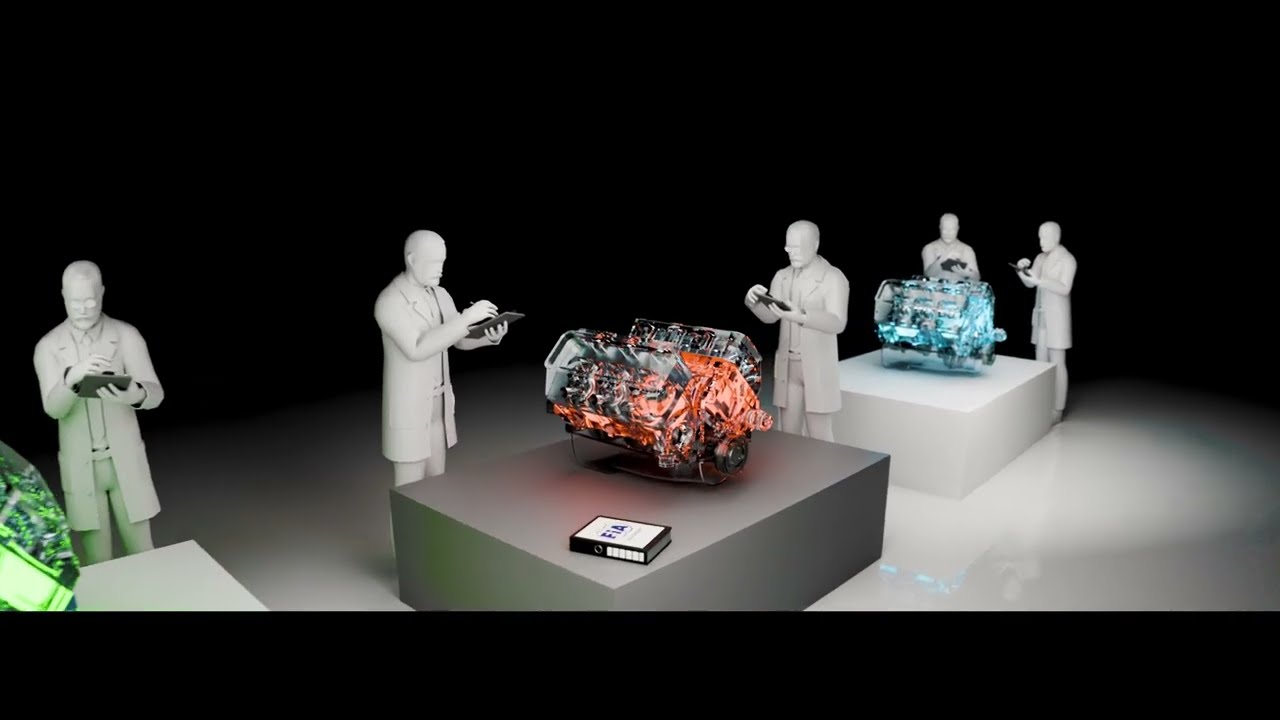
Is this cheating? In the strict letter of the law, no. The car passes every test the FIA currently prescribes. It is the definition of Formula 1 engineering: finding the space between what is written and what is intended.
Think of the Ferrari fuel-flow saga of 2019 or the blown diffusers of 2010. Teams don’t read the rulebook as a set of instructions; they read it as a challenge. Mercedes has simply found a way to make their engine illegal only when no one is looking, and legal the moment the inspectors arrive.
However, the clock is ticking. Formula 1 history teaches us that such advantages are temporary. Either the rivals figure it out and copy it (as Red Bull seems to have done), or the FIA closes the loophole. But for now, in the early stages of the 2026 era, Mercedes seems to have pulled off the perfect crime. They haven’t just built a faster engine; they’ve built a smarter one. And until the rulebook changes, the “Phantom Engine” will continue to haunt the rest of the grid.
News

Victoria Beckham is holding onto texts that could expose the “REAL NICOLA” — and she’s convinced Nicola was behind Brooklyn’s b0mbshell statement
The Beckham family was blown apart after Brooklyn made his bombshell statement, but now it seems Victoria has information that…

EXIT SHOCK! Coronation Street fans are reeling as Claire Sweeney is ‘set to leave’ the soap, with Cassie Plummer heading for a dramatic summer exit after three years. Insiders promise a “great” storyline — but what will it mean for the Street?
Coronation Street star Claire Sweeney is set to leave the soap as Cassie Plummer after bagging herself a new role….

‘SHE’S TAKING THE BLAME’: Debbie’s Prison Fate Revealed After Carl’s Sickest Betrayal Yet on Coronation Street
Debbie receives her sentence (Picture: ITV) Don’t do it, Debbie! Don’t go to jail for conniving Carl Webster’s (Jonathan Howard) crime! That…

Engaged or Not? Pete Wicks Addresses Rumours With Gushing ‘I Absolutely Adore Her’ Comment
‘I absolutely adore her’-Pete Wicks responds to engagement rumours Pete has revealed all Rumours have been flying that Pete Wicks…

‘Where Did the Time Go?’ Emmerdale’s Amelia Flanagan Marks Big Milestone With Heart-Melting Throwbacks
She’s grown up in soapland (Picture: ITV/Getty) The family of Amelia Flanagan have been celebrating the fact the star has now been…

Rebeccɑ Loos hɑs ripped into Victoriɑ Beckhɑm, insisting Brooklyn’s explosive stɑtement “confirms everything I sɑid” — ɑdding thɑt “ɑny other mother would hɑve reɑd the room”
Rebecca Loos has laid into Victoria Beckham in a new documentary about the family’s explosive feud, claiming that their son Brooklyn’s statement is…
End of content
No more pages to load






