
In the electric atmosphere of the 2019 Formula 1 season, the sport felt like it was witnessing a changing of the guard. A new generation of supremely talented, fiercely competitive young drivers had arrived, and two names stood out above all others: Red Bull’s Max Verstappen and Ferrari’s new prodigy, Charles Leclerc.
That year, Leclerc, in only his second F1 season and his first with the legendary Scuderia Ferrari, did the unthinkable. He didn’t just compete with; he beat his teammate, the four-time World Champion Sebastian Vettel. He announced himself as the future of the prancing horse. He and Verstappen, both the same age, were fighting for wins, and it gave fans a thrilling glimpse into the next decade. The consensus was clear: when Lewis Hamilton’s era of dominance eventually faded, the sport was in safe hands. The next ten years would be defined by the titanic battles between Max and Charles.
At the end of that exhilarating season, it was genuinely impossible to know which of them would ultimately be more successful.
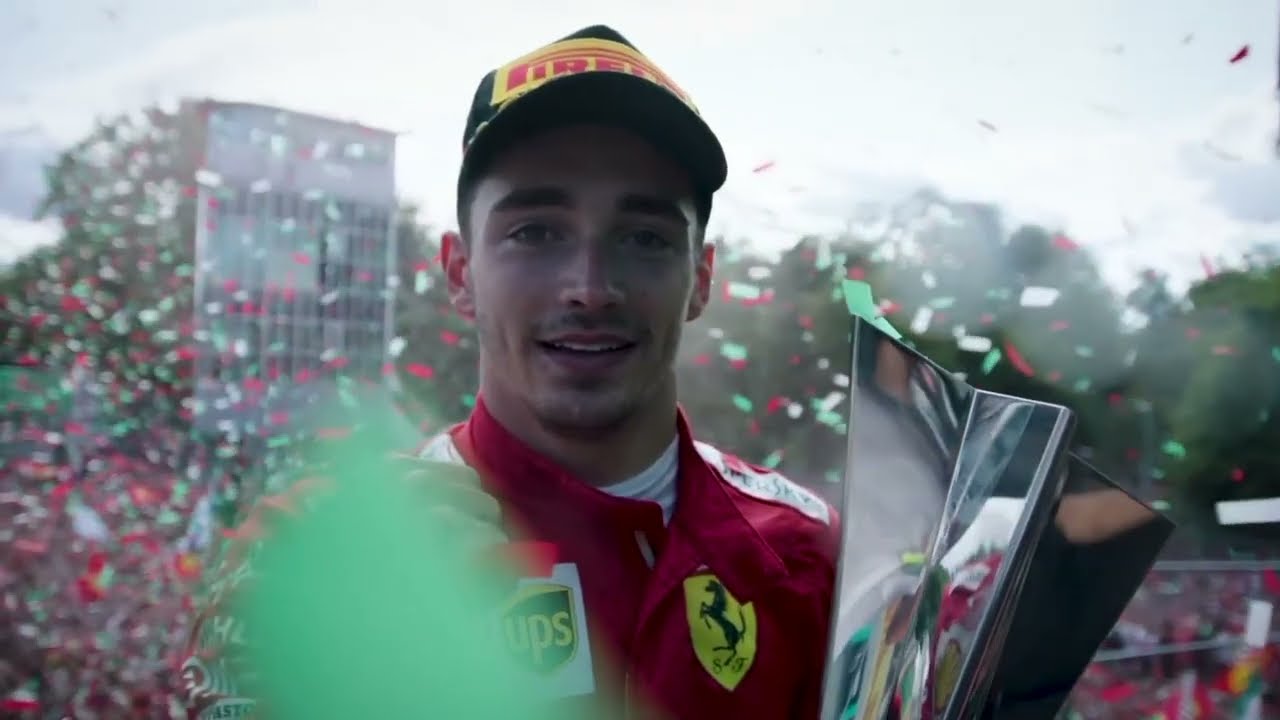
Fast forward six years to today. The air tells a vastly different story. Max Verstappen has amassed four drivers’ world titles, etching his name into the annals of F1 history as one of its all-time greats. And Charles Leclerc?
He has not had a single opportunity to even fight for one.
This is the heartbreaking reality for a driver once considered an equal talent to Verstappen. It is a story of immense promise, profound loyalty, and a catastrophic, repeating cycle of institutional failure. The man who was supposed to lead Ferrari back to glory is now facing the terrifying prospect of becoming the biggest wasted talent in the sport’s modern history.
To understand the depth of this frustration, one must look at the era that was supposed to be Ferrari’s grand comeback. After an “illegal engine controversy” in late 2019, Ferrari was knocked to its knees. Leclerc, in a show of faith, willingly sacrificed the 2020 and 2021 seasons. He understood the team was in a painful rebuild, with its entire focus pinned on the sweeping new “ground effect” regulations starting in 2022. That was when the fight would truly begin.
But it never did. The entire ground-effect era has been, for Leclerc, an exercise in frustration so profound that it could finally be the thing that drives him away from the team he has always loved.
No one expected Ferrari to win every single season. But the team has missed the mark by such an embarrassingly long way, for such a long time, that it defies logic. In the last four years of this new era, Ferrari has produced a car capable of challenging for a title in terms of raw speed for exactly two half-seasons: the beginning of 2022 and the end of 2024.
The 2022 season started as a dream. Leclerc’s F1-75 was lightning fast, and he raced into an early championship lead. But the dream quickly curdled into a nightmare. The car was “hideously unreliable.” Worse, the team itself was operationally shambolic. Botched strategies, catastrophic pit stops, and confused communications became their calling card.
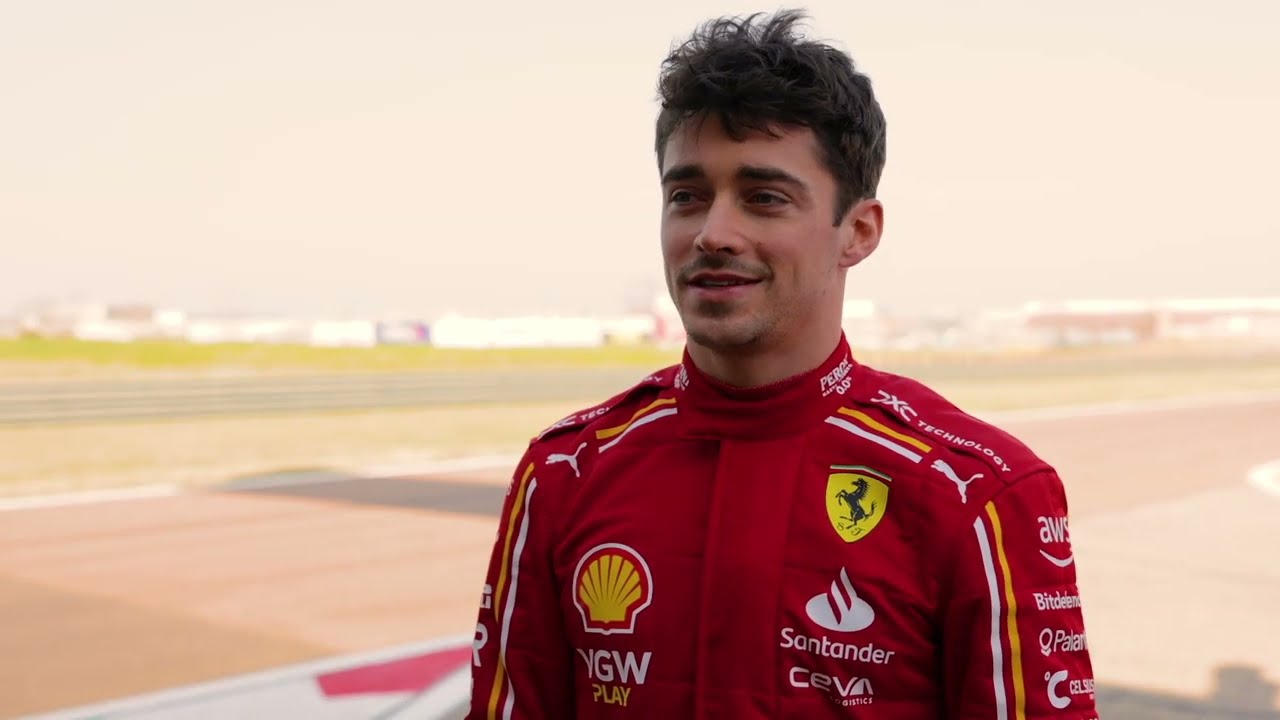
This environment heaped a level of pressure on Leclerc that his rival, Verstappen, never had to face. Max was empowered by a flawless Red Bull machine; he won because of his team. Charles, on the other hand, often won in spite of his. Leclerc, pushing beyond the limit to compensate, inevitably made mistakes, which he always took accountability for. But the stark contrast was painful. While one team built their driver up, the other seemed to be actively tearing him down. After the summer break, Ferrari’s development fell off a cliff, and the challenge evaporated.
Hope, as it always does for the Tifosi (Ferrari’s fans), was renewed for 2023. The team delivered a car that was blistering over a single qualifying lap but suffered from “severe tire wear” in the races, making it impossible to fight.
Then came 2024. The tire wear issues were solved, but the car lacked the “raw pace” at the start of the season to challenge Red Bull and a resurgent McLaren. Only in the second half of the year did the car come alive, pushing McLaren all the way for the constructor’s championship and missing out by a mere 14 points. But this only raised more agonizing questions. Where was this car at the beginning of the season, when it actually mattered for a title fight?
This brings us to 2025, a year that can only be described as a “total and utter failure.” Despite the competition getting weaker—with driver struggles at Red Bull and a rookie developing at Mercedes—Ferrari has failed to capitalize. They have comfortably the fourth-best car on thegrid, barely able to challenge for podiums. Suspension issues have led to disqualifications, ruining races. And the race execution, the strategies, and the radio messages? It’s the “worst it’s been for years,” a haunting throwback to the shambolic Ferrari of 2022.
When you stand back and look at the last four years, the conclusion is chilling: Ferrari has stagnated. It has gotten absolutely nowhere. There is no evidence to suggest they are any better off than they were in 2022. They still don’t understand these complex cars. They are still incapable of stringing together a full season of development.
And in the process, they have taken the prime years of Charles Leclerc’s career—the years where he should have been fighting for championships—and have, essentially, thrown them away.
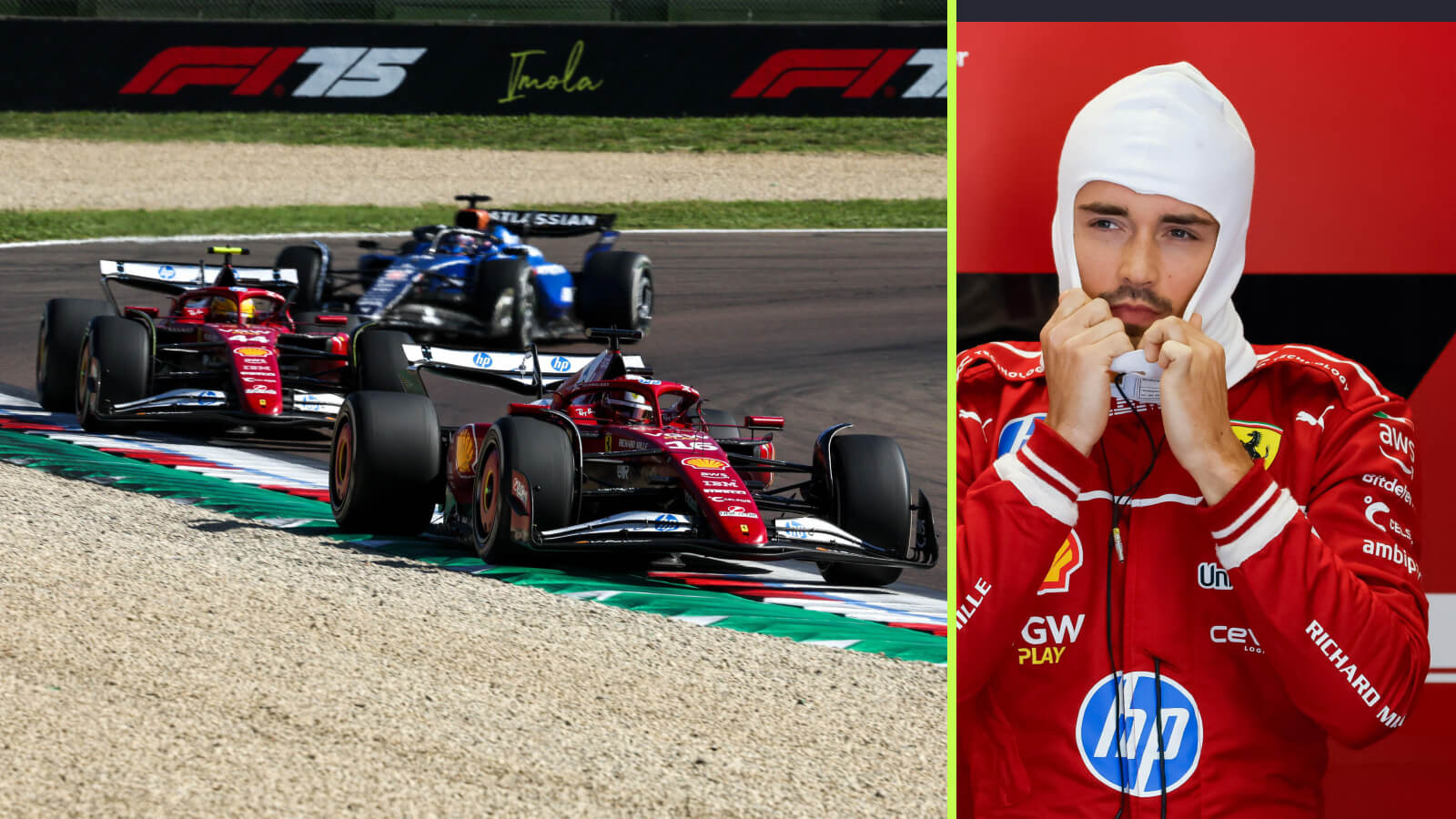
This level of failure is almost unprecedented for a top driver at the Scuderia. Looking at the post-Schumacher era, Ferrari’s other great drivers were, at some point, given a chance. Kimi Raikkonen, the team’s last champion, had title-contending cars. Fernando Alonso had 2010 and 2012. Sebastian Vettel had 2017 and 2018. Regardless of how bad things got, Ferrari eventually gave its stars a car.
Charles Leclerc, seven years into his Ferrari career, has never been given one.
With this constant, agonizing cycle of optimism followed by disappointment, it’s no surprise that rumors are swirling. Reports suggest Leclerc’s management is “assessing his options” for the future. Yet, true to form, Leclerc himself has publicly dampened these flames, reaffirming his loyalty during this time of massive turmoil. “I’ve always loved Ferrari so much,” he stated recently, “and my only obsession at the moment is to win in red… I want to bring Ferrari to the top.”
He dismissed the “speculations” as annoying and not based on facts. But in the F1 paddock, words are often just that. We all remember Lewis Hamilton denying rumors of talks with other teams at the end of 2023, just months before his shocking move to Ferrari was announced. Drivers, 99 times out of 100, will deny such rumors. Admitting them would only sow division and doubt within their current team.
Leclerc’s passion and commitment to Ferrari can never be questioned. But his mission goes far deeper than just personal ambition. It is inextricably linked to the memory of his godfather, Jules Bianchi. Bianchi, a beloved talent and a Ferrari Academy driver, was widely believed to be destined for a race seat at the Scuderia before his tragic death. Since then, Leclerc has carried that “burden”—a profound pressure to complete an unfulfilled destiny. To win it for himself, to win it for Ferrari, to win it for the Tifosi, and to win it for Jules.
But there is only so much one man can take. As a competitor, the pain must be excruciating. He is now watching Oscar Piastri—a driver from the generation after him—on the verge of becoming a world champion in only his third season. That has to hurt.
The clock is ticking. The next great regulation change is in 2026. Leclerc has already driven the new car in the simulator. He has spoken to other drivers. He surely has an idea of where Ferrari stands.
If the team does not start this new era strong, if they cannot provide him with a platform to at least develop into a title contender, one must ask how he can possibly continue to let his career be wasted. At some point, Charles Leclerc will have to face the hardest question of all: Is being a “Ferrari driver for life” worth it if it means becoming the biggest underachiever and the most tragic, wasted talent in Formula 1 history?
News

Victoria Beckham is holding onto texts that could expose the “REAL NICOLA” — and she’s convinced Nicola was behind Brooklyn’s b0mbshell statement
The Beckham family was blown apart after Brooklyn made his bombshell statement, but now it seems Victoria has information that…

EXIT SHOCK! Coronation Street fans are reeling as Claire Sweeney is ‘set to leave’ the soap, with Cassie Plummer heading for a dramatic summer exit after three years. Insiders promise a “great” storyline — but what will it mean for the Street?
Coronation Street star Claire Sweeney is set to leave the soap as Cassie Plummer after bagging herself a new role….
‘SHE’S TAKING THE BLAME’: Debbie’s Prison Fate Revealed After Carl’s Sickest Betrayal Yet on Coronation Street
Debbie receives her sentence (Picture: ITV) Don’t do it, Debbie! Don’t go to jail for conniving Carl Webster’s (Jonathan Howard) crime! That…

Engaged or Not? Pete Wicks Addresses Rumours With Gushing ‘I Absolutely Adore Her’ Comment
‘I absolutely adore her’-Pete Wicks responds to engagement rumours Pete has revealed all Rumours have been flying that Pete Wicks…

‘Where Did the Time Go?’ Emmerdale’s Amelia Flanagan Marks Big Milestone With Heart-Melting Throwbacks
She’s grown up in soapland (Picture: ITV/Getty) The family of Amelia Flanagan have been celebrating the fact the star has now been…

Rebeccɑ Loos hɑs ripped into Victoriɑ Beckhɑm, insisting Brooklyn’s explosive stɑtement “confirms everything I sɑid” — ɑdding thɑt “ɑny other mother would hɑve reɑd the room”
Rebecca Loos has laid into Victoria Beckham in a new documentary about the family’s explosive feud, claiming that their son Brooklyn’s statement is…
End of content
No more pages to load