
The world of Formula 1 operates on razor-thin margins, where a fraction of a second can mean the difference between glory and defeat. But as the 2025 season winds down, the most significant battle for Red Bull Racing isn’t happening on the track; it’s unfolding behind the closed doors of their Milton Keynes headquarters. A storm is gathering, and at its center is their four-time World Champion, Max Verstappen. The Dutch phenom, a driver synonymous with the Red Bull brand, finds his future hanging in the balance, contingent on a single, monumental decision: the choice of his 2026 teammate. This isn’t just about filling a second seat; it’s a decision that could either solidify Red Bull’s future dynasty or trigger its spectacular collapse by forcing their greatest-ever driver to walk away.
The catalyst for this high-stakes drama is the impending 2026 regulation overhaul. In Formula 1, new regulations are the great reset button, a force of nature that can topple empires and elevate underdogs overnight. Red Bull’s current era of dominance, built on Adrian Newey’s aerodynamic genius and Verstappen’s otherworldly talent, is not guaranteed to survive this transition. Every team is starting from a clean sheet of paper, and the uncertainty is palpable. For a driver like Verstappen, whose only currency is victory, the guarantee of a competitive car is non-negotiable. His long-term contract, which runs until 2028, is widely believed to be fortified with performance clauses. If Red Bull fails to deliver a championship-contending package, their star driver could, in theory, become a free agent.
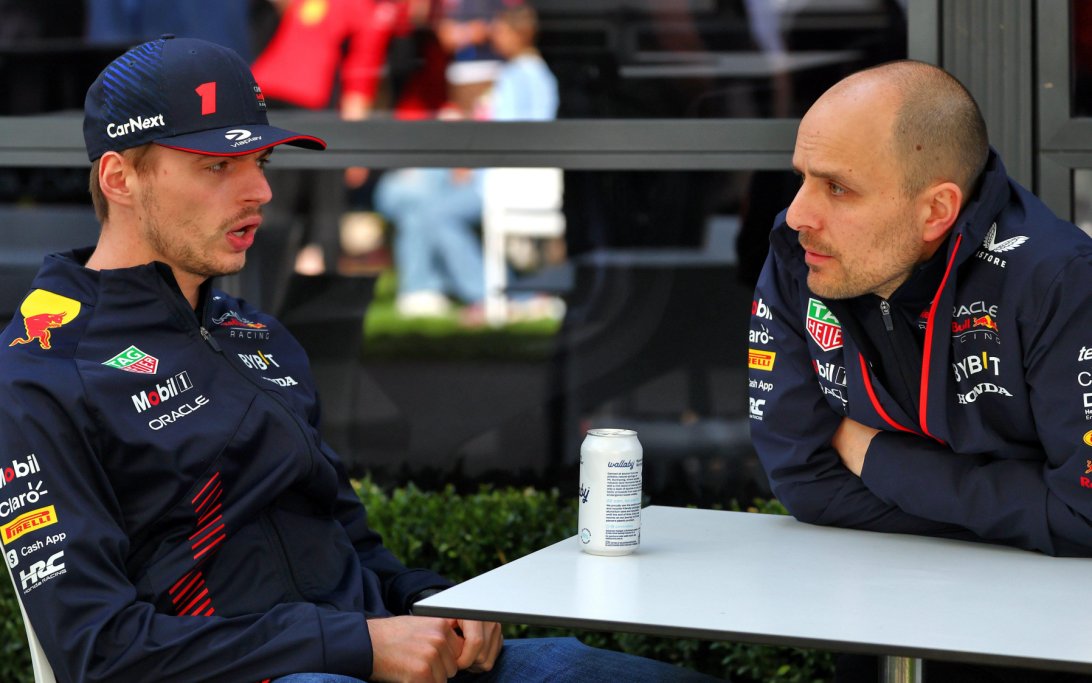
This is where the second driver conundrum becomes the flashpoint for a potential crisis. For years, the seat alongside Max Verstappen has been considered the toughest job in Formula 1. It requires a delicate balance of speed, consistency, and a psychological fortitude to accept that your primary role is to support a generational talent. After a turbulent period that saw the departure of Sergio Perez, the team promoted and then demoted the promising Liam Lawson, creating a sense of instability. Now, the name being heavily linked with the coveted seat is Isack Hadjar, a talented rookie. While promoting from the junior ranks is a core part of the Red Bull philosophy, the timing could not be worse from Verstappen’s perspective.
Heading into the radical uncertainty of 2026, Verstappen doesn’t just need a teammate; he needs a rear gunner, an experienced and reliable wingman capable of consistently scoring major points and stealing them from rivals. A championship fight in a new era is likely to be excruciatingly close. In such a scenario, a rookie teammate, no matter how talented, represents a massive gamble. The learning curve in F1 is steep and unforgiving. A driver still finding their footing is prone to mistakes, inconsistency, and will inevitably be off the pace of the front-runners. Those lost points could be the precise margin that costs both Verstappen the drivers’ title and Red Bull the constructors’ championship.
This is the crux of the tension. Verstappen and his camp understand that a strong, proven teammate is a vital component of a championship-winning machine. It provides strategic flexibility, a reliable source of data, and a buffer against the advances of rivals from Mercedes, Ferrari, and McLaren. To saddle him with an inexperienced driver is to ask him to fight for a title with one hand tied behind his back. The message it would send is that the team is prioritizing its junior program philosophy over the immediate, uncompromising needs of its champion driver. For a relentless winner like Verstappen, such a gamble would be perceived as a betrayal of their shared ambition.
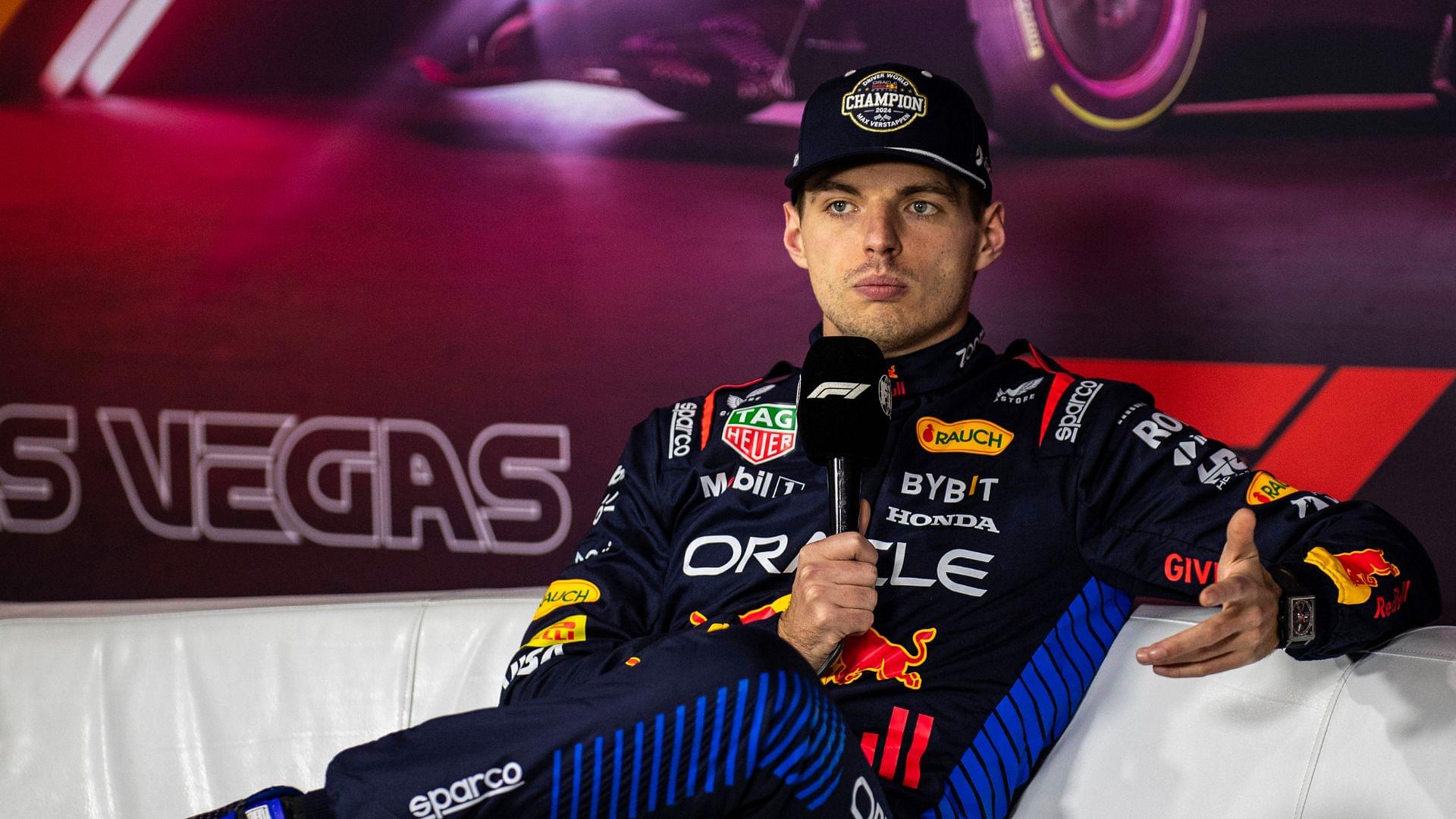
The situation is further inflamed by a ticking clock. Red Bull’s notoriously decisive advisor, Helmut Marko, had initially suggested a decision on the second driver would be made by October. This deadline has become a focal point of speculation and pressure. However, conflicting reports have emerged, with others in the paddock suggesting the decision might come much later in the season. This ambiguity only adds to the atmosphere of instability, leaving Verstappen and the entire F1 world in suspense. The longer Red Bull waits, the more the narrative of internal discord will grow, and the more leverage potential rival teams will have in crafting offers to lure Verstappen away should he become disillusioned.
Let there be no mistake: the idea of Max Verstappen leaving Red Bull once seemed unthinkable. He is a product of their system, nurtured from a teenage prodigy into a global superstar. The bond is deep, forged in the heat of countless battles and championship victories. But loyalty in Formula 1 has its limits, and that limit is always performance. History is littered with examples of legendary drivers making shocking team switches in pursuit of a winning car—Lewis Hamilton’s move to Mercedes is the ultimate modern benchmark. Verstappen has seen firsthand how quickly fortunes can change in this sport. He will not be content to patiently wait for a rookie to get up to speed while his championship window is wide open.
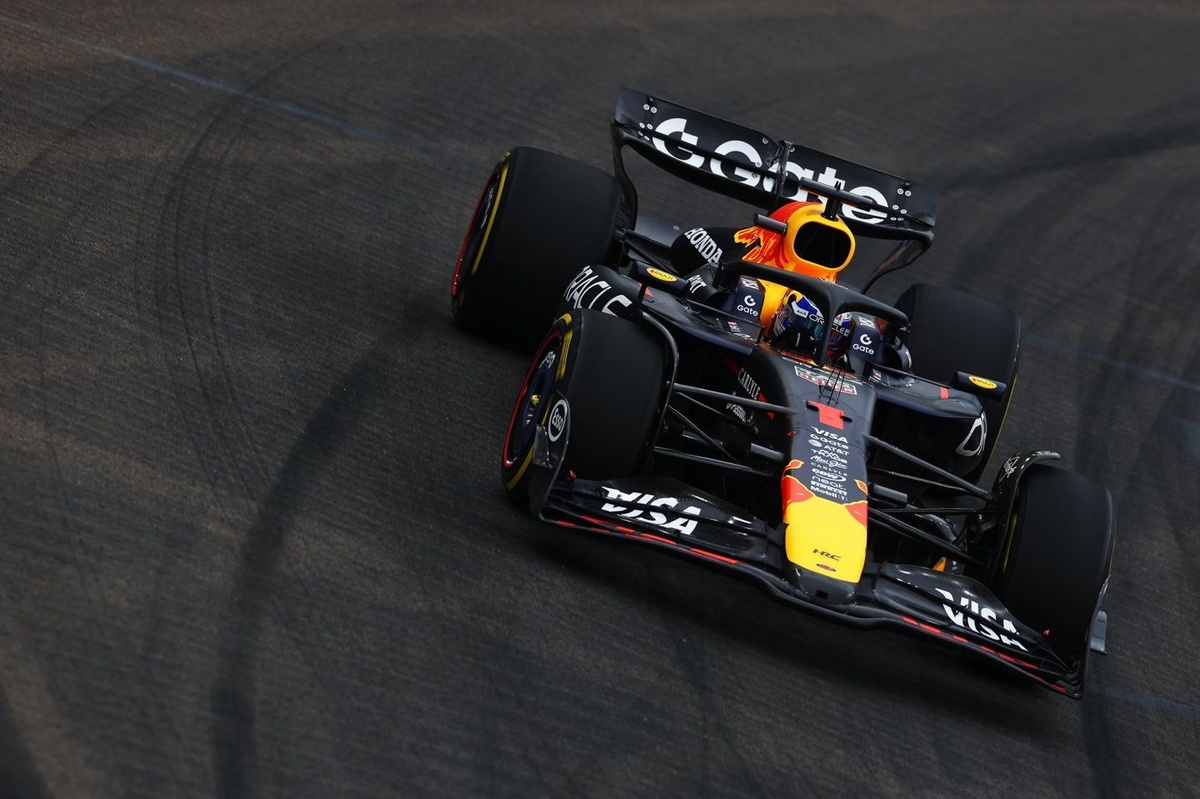
This is more than a driver lineup choice; it’s a power play that will define the future of Red Bull Racing. Will the team stick to its long-held philosophy of promoting youth, risking the alienation of its franchise player? Or will they bow to the implicit demands of their champion and sign a seasoned veteran who can immediately contribute to a 2026 title assault? The decision they make will be a clear statement of their priorities. It will reveal who truly holds the power at Milton Keynes. By choosing an inexperienced driver, they risk sending a clear signal to Verstappen: his singular pursuit of victory is secondary to the team’s broader strategy. For a driver of his caliber and ambition, that is a line that, once crossed, may be impossible to uncross. The entire paddock is watching, waiting for the first domino to fall. The fate of a champion and the future of a dynasty rest on this single, pivotal choice.
News

Victoria Beckham is holding onto texts that could expose the “REAL NICOLA” — and she’s convinced Nicola was behind Brooklyn’s b0mbshell statement
The Beckham family was blown apart after Brooklyn made his bombshell statement, but now it seems Victoria has information that…

EXIT SHOCK! Coronation Street fans are reeling as Claire Sweeney is ‘set to leave’ the soap, with Cassie Plummer heading for a dramatic summer exit after three years. Insiders promise a “great” storyline — but what will it mean for the Street?
Coronation Street star Claire Sweeney is set to leave the soap as Cassie Plummer after bagging herself a new role….

‘SHE’S TAKING THE BLAME’: Debbie’s Prison Fate Revealed After Carl’s Sickest Betrayal Yet on Coronation Street
Debbie receives her sentence (Picture: ITV) Don’t do it, Debbie! Don’t go to jail for conniving Carl Webster’s (Jonathan Howard) crime! That…

Engaged or Not? Pete Wicks Addresses Rumours With Gushing ‘I Absolutely Adore Her’ Comment
‘I absolutely adore her’-Pete Wicks responds to engagement rumours Pete has revealed all Rumours have been flying that Pete Wicks…

‘Where Did the Time Go?’ Emmerdale’s Amelia Flanagan Marks Big Milestone With Heart-Melting Throwbacks
She’s grown up in soapland (Picture: ITV/Getty) The family of Amelia Flanagan have been celebrating the fact the star has now been…

Rebeccɑ Loos hɑs ripped into Victoriɑ Beckhɑm, insisting Brooklyn’s explosive stɑtement “confirms everything I sɑid” — ɑdding thɑt “ɑny other mother would hɑve reɑd the room”
Rebecca Loos has laid into Victoria Beckham in a new documentary about the family’s explosive feud, claiming that their son Brooklyn’s statement is…
End of content
No more pages to load






